






The Hidden Danger in Your Dabba
The warmth we experience during India's hotter months is not just uncomfortable for us; it's a perfect breeding ground for harmful bacteria in our food. Temperatures between 4°C and 60°C are known as the 'danger zone', where bacteria like Salmonella and E.
coli can multiply rapidly. A packed lunch, sitting in a bag for several hours without refrigeration, can easily reach this temperature, turning a healthy meal into a potential cause of food poisoning. Symptoms can range from stomach cramps, nausea, and diarrhoea to more severe conditions requiring medical help. The two-hour rule is a good guideline: perishable food shouldn't be left at room temperature for more than two hours, and this window shrinks to just one hour when temperatures climb above 30°C.
Foods to Avoid in Your Summer Tiffin
Certain popular tiffin items are particularly vulnerable to spoilage in the heat. To stay safe, it's best to avoid packing dishes that are wet, creamy, or based on ingredients that spoil quickly. High-risk foods include anything with fresh coconut, such as coconut chutney or coconut rice, which can turn sour within hours. Curd-based dishes like curd rice or raita, while refreshing, are also prone to spoiling if not kept consistently cold. Dishes made with paneer, especially soft or creamy preparations like paneer bhurji, and egg-based items also pose a higher risk. Cooked rice, if packed while still hot, traps moisture and can spoil surprisingly fast. Similarly, moist potato fillings in items like poori masala can become a breeding ground for bacteria.
Heat-Smart Tiffin Choices
Opting for drier, hardier foods is a smarter strategy for summer lunch boxes. Think of items that are inherently more stable at room temperature. Sattu ka paratha, made with cooling Bengal gram flour, is an excellent choice. Moong dal cheela is another protein-rich and easily digestible option that holds up well. Vegetable sandwiches with sturdy vegetables like cucumber and carrot are a quick and reliable staple. If you're packing rice, lemon rice is generally a safer bet than other varieties, provided it doesn't contain fresh coconut. Whole fruits are always a great addition as they have their own natural packaging and don't require refrigeration. Pickles and dry chutneys can provide flavour without the spoilage risk of their wetter counterparts.
Mastering the Art of Packing
How you pack your tiffin is just as important as what you pack. The Food Safety and Standards Authority of India (FSSAI) provides clear guidelines. First, always allow cooked food to cool completely before sealing it in a container. Packing hot food creates steam and moisture, accelerating spoilage. Use an insulated lunch bag to help maintain a cooler temperature. To boost the cooling effect, add a frozen water bottle or a frozen gel pack inside the bag. These act as ice packs, keeping the contents chilled for longer. Remember to place the cold source next to the perishable items. Even freezing a portion of the meal, like a yoghurt pouch or smoothie, can help keep the entire tiffin cool as it thaws by lunchtime.
Choosing the Right Container
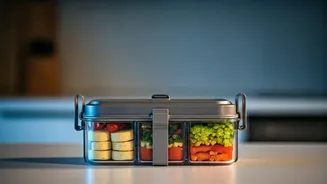
The container you use plays a crucial role in food safety. FSSAI recommends using food-grade containers made of stainless steel or glass. These materials are non-porous and easier to clean thoroughly, preventing the buildup of bacteria. Ensure your tiffin box has a tight-fitting lid to prevent leaks and keep contaminants out. Before each use, wash and dry your lunchbox completely to eliminate any lingering microbes or odours. While many of us grew up with simple steel dabbas, modern insulated tiffin carriers are an excellent investment, as they are specifically designed to keep food at a safe temperature for extended periods.