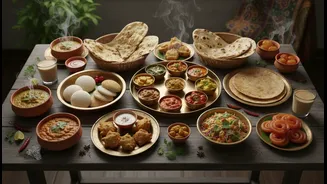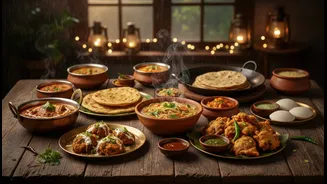








The Classic Comfort Ritual
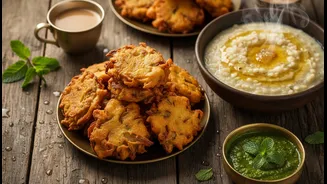
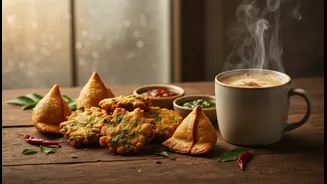
Let's be clear: the pakora isn't going anywhere. Whether it's the onion-packed Kanda Bhaji in Maharashtra or Bengal's equally beloved Peyaji, the deep-fried, gram-flour-coated snack is an unshakable part of India's monsoon identity. Paired with masala
chai, it’s more than just a snack; it's a multi-sensory ritual, a nostalgic comfort that connects generations. For years, this combination, along with roasted corn on the cob (bhutta), has defined rainy-day cravings for millions. But this comforting picture, while accurate, is proving to be incomplete. An increasing number of food enthusiasts and chefs are now suggesting it's time to look out the window at a much broader culinary landscape.
A Craving for Authenticity and Discovery
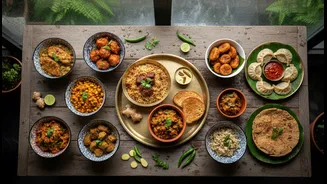
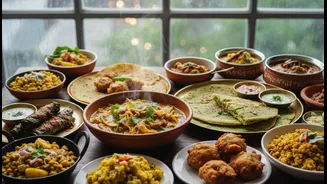
The shift is being driven by a growing appetite for authenticity. Diners are no longer just seeking comfort; they're seeking stories and experiences. This curiosity is leading them down a path of regional discovery, uncovering hyper-local dishes that are intrinsically tied to the season. Chefs, in turn, are responding by curating special monsoon menus that champion heritage recipes and seasonal ingredients that thrive in the wet weather, from foraged greens and wild mushrooms to specific varieties of fish that are at their peak. This trend is less about replacing the pakora and more about enriching the monsoon plate, celebrating the incredible diversity of India's culinary map.
From the West and North
In Maharashtra, while Kanda Bhaji remains a staple, the monsoon menu also features steamed and savoury dishes. Alu Vadi, or Patra, made from colocasia leaves smeared with a sweet and spicy gram flour paste, is rolled, steamed, and then lightly fried. There's also the rustic and hearty Pithla Bhakri, a quick-cooking curry made from gram flour, best enjoyed with jowar or bajra flatbread. Further north, especially in the mountains, the rains bring out an abundance of unique greens. In Uttarakhand, foraged lingura (fiddlehead ferns) are stir-fried into a simple, earthy sabzi.
The Eastern Monsoon Palette
Travel east, and the monsoon meal takes on a different character. In Bengal, the rainy season is almost synonymous with a comforting bowl of Khichuri, a rice and lentil dish that is distinctly different from its counterparts elsewhere in India. Often made with fragrant gobindobhog rice and roasted moong dal, it is served with a variety of fried accompaniments (telebhaja), like Begun Bhaja (fried eggplant). The monsoon is also peak season for Bengal's most prized fish, the Hilsa or Ilish, which is prepared in numerous ways, from being simply fried to being cooked in a pungent mustard gravy known as Shorshe Ilish.
Southern Steamed and Spiced Delights
Down south, the monsoon brings a focus on dishes that are both nourishing and warming. In Kerala, as the rains intensify, the focus shifts to ayurvedic traditions and comforting meals. While fried snacks like Parippu Vada (lentil fritters) and Pazham Pori (banana fritters) are popular, the season is also marked by medicinal rice gruels (kanji) and restorative stir-fries like Pathila Thoran, made with ten varieties of local greens. Another staple is Kappa, or tapioca, often mashed and served alongside a fiery fish curry. These dishes are designed to be easy on the digestive system, which is believed to be weaker during the monsoon.