

A Trail of Cosmic History
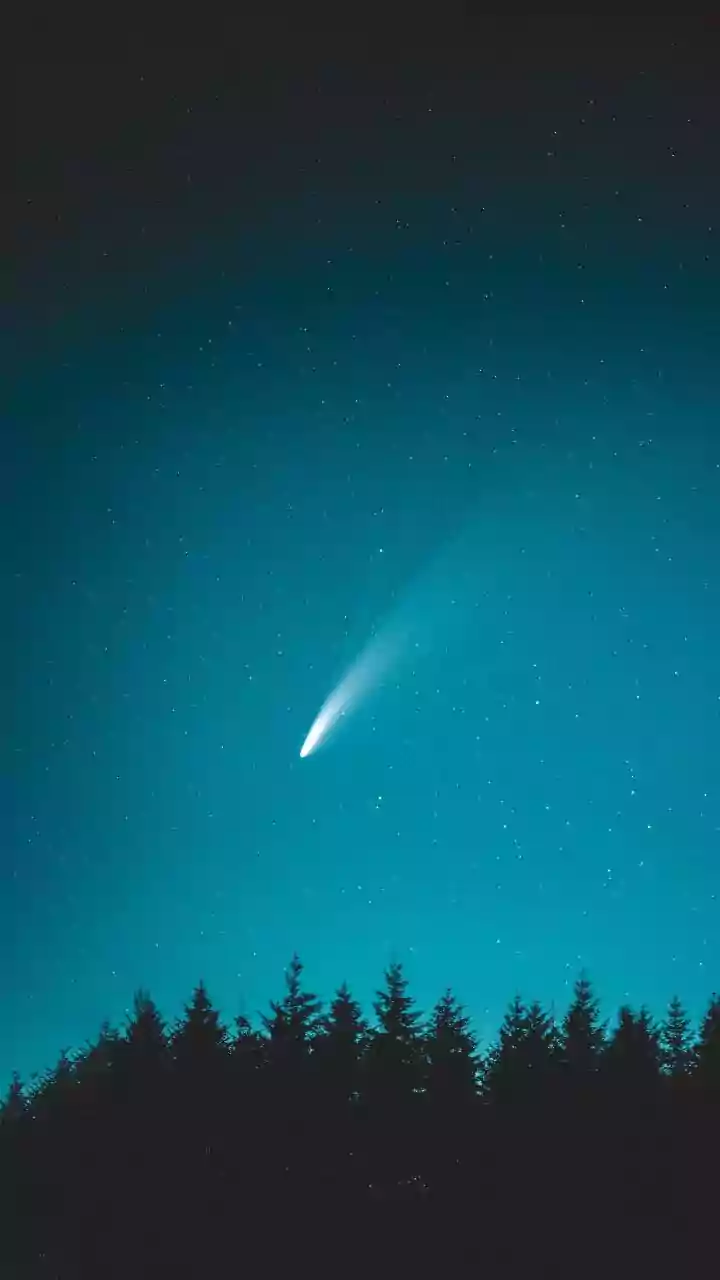
The Orionid meteor shower is one of two annual events caused by debris from one of the most famous comets in history: Halley's Comet. As this iconic comet travels through the solar system, it sheds a trail of ice and rocky dust. Each October, Earth passes
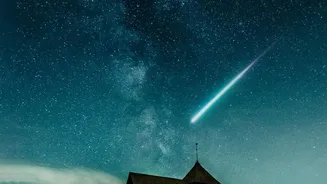
through this stream of ancient cosmic particles. When these tiny fragments—many no larger than a grain of sand—hit our atmosphere at tremendous speeds of around 66 km/s, they burn up, creating the brilliant streaks of light we call meteors or shooting stars. The Orionids are known for their speed and brightness, and they sometimes leave glowing trails that can linger for several seconds.
Mark Your Calendar for Peak Viewing
The Orionid shower is active from early October to early November each year. For 2026, the peak activity is expected on the night between October 21 and 22. The best time to watch is in the pre-dawn hours, after midnight. This is when the part of the sky where the meteors appear to originate from—known as the radiant—is highest in the sky. During the 2026 peak, the moon will be bright but is expected to set around 3 a.m., leaving a few dark hours before dawn for prime viewing. From a dark location, you might see between 15 and 25 meteors per hour during the peak.
Finding Your Celestial Signpost
The shower gets its name from the constellation Orion the Hunter, as the meteors appear to radiate from a point near it. To find Orion in the autumn, look to the eastern sky in the hours after midnight. The constellation is famous for the three bright stars that form a straight line, representing Orion's belt. The radiant point is located near Orion's club, just north of the bright, reddish star Betelgeuse. However, you don't need to stare directly at this point. In fact, it's better to look about 45 to 90 degrees away from the radiant; the meteors will appear longer and more spectacular from this perspective as they streak across the sky.
The Best Tool is No Tool at All
One of the best parts about watching the Orionids is its accessibility. You don’t need any special equipment like binoculars or a telescope. Your eyes are the perfect tool for the job, as they provide a wide field of view, allowing you to take in as much of the sky as possible. Telescopes and binoculars actually limit your view, making it more likely you'll miss the fast-moving meteors. The key is to find a comfortable spot, lie back, and simply look up. This allows you to scan a huge patch of sky without straining your neck. Give yourself the best chance to see these fleeting streaks of light by taking in the entire celestial canvas.
Your Checklist for a Perfect Night
To make the most of your stargazing experience, a little preparation goes a long way. First, get away from city and street lights. Light pollution drastically reduces the number of meteors you'll be able to see. Find a dark park, a rural area, or a designated dark-sky site. Second, give your eyes time to adjust. It takes about 20 to 30 minutes for your eyes to fully adapt to the darkness, so put your phone away to preserve your night vision. Third, check the weather forecast for clear skies. Finally, dress for the occasion. Autumn nights can be chilly, so bring warm clothing, blankets, and perhaps a reclining chair to stay comfortable while you watch the show.