


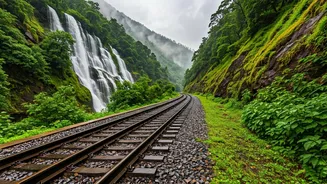


An Oasis of Reliability
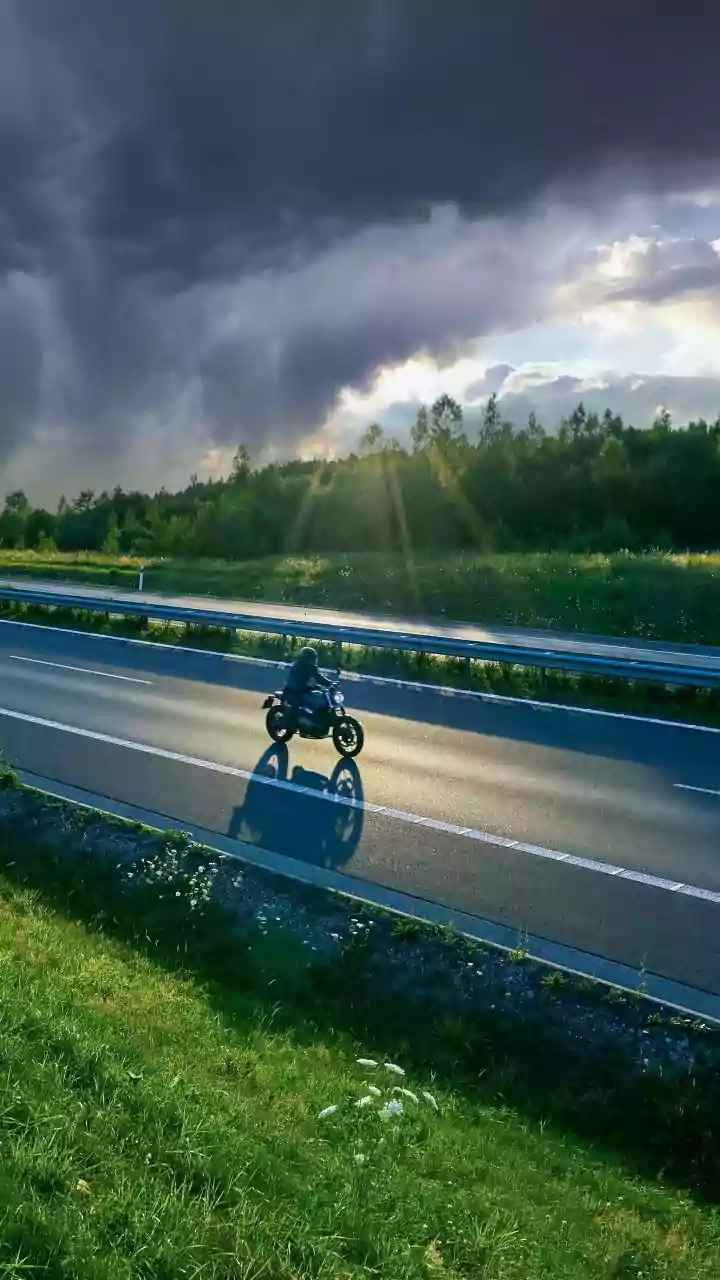
When dark clouds gather, travel plans often fall apart. Flights are frequently cancelled or delayed due to poor visibility and turbulent weather. Road travel becomes a gamble, with highways and rural roads alike susceptible to flash floods, landslides,
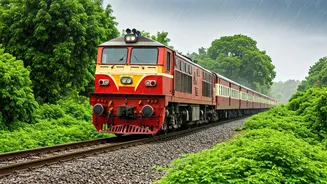
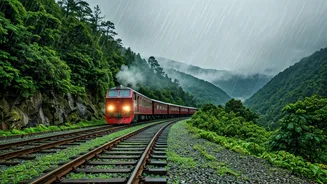
and cavernous potholes. In this seasonal chaos, the Indian Railways network often stands as a pillar of reliability. While heavy rains can cause delays, trains are generally less affected by the weather than planes or cars. Railway authorities also implement special monsoon schedules and safety measures, especially on vulnerable routes like the Konkan Railway, to ensure services continue as safely as possible. This includes enhanced track inspections, cleaning of drains and culverts, and imposing speed restrictions to mitigate risks, offering travellers a degree of predictability that other modes of transport simply cannot match during this time.
A Front-Row Seat to Nature's Grandeur
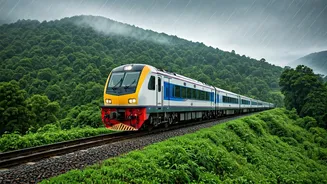
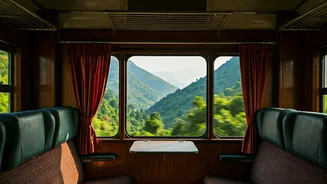
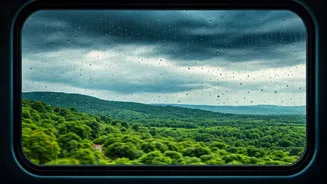
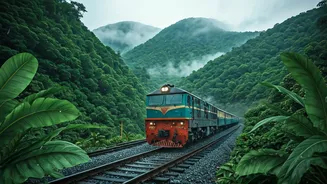
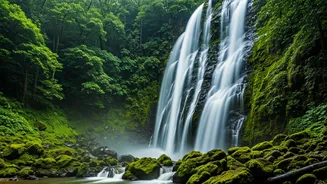
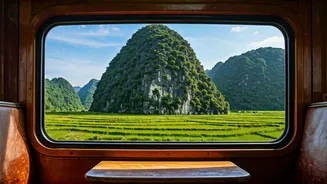
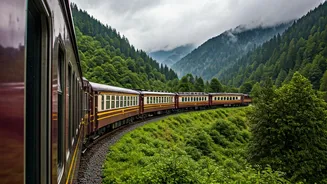
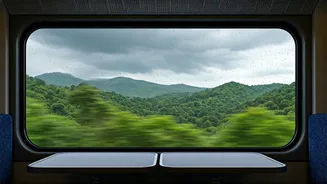
Beyond sheer practicality, a monsoon train journey is an experience in itself. It is a chance to witness the Indian landscape at its most vibrant and dramatic. Imagine sitting by a large window, a warm cup of tea in hand, watching the country's diverse scenery unfold. The rain washes the dust from the leaves, leaving behind a world of electric greens. Paddy fields glow, waterfalls spontaneously appear on hillsides, and rivers swell with new life. Routes like the Konkan Railway between Mumbai and Goa become legendary during this season, offering dramatic views of the Western Ghats and the Arabian Sea. Other iconic journeys, such as the UNESCO World Heritage Kalka-Shimla Railway, the Nilgiri Mountain Railway to Ooty, and the route through the Dooars in West Bengal, all transform into magical, mist-shrouded adventures. It’s slow travel at its best, turning the journey itself into a memorable part of the vacation.
Comfort, Safety, and Affordability
The advantages of train travel extend to comfort and cost. Instead of being cramped in a car or enduring the sterile environment of an airport, a train offers ample legroom and the freedom to move around. For families and groups, it’s a more social and relaxed way to travel. Safety is also a significant factor; trains are generally a safer option than navigating treacherous, rain-slicked roads. Financially, train tickets are often more economical than flights, which can see prices surge dramatically when demand is high due to weather-related disruptions. With various classes available, from affordable sleeper compartments to comfortable air-conditioned coaches, there is an option for every budget, making it a consistently cost-effective choice for monsoon travel.
Planning Your Monsoon Rail Journey
To make the most of your monsoon train trip, a little planning goes a long way. It's essential to book your tickets well in advance, as popular scenic routes can fill up quickly. Always check for the latest monsoon timetable, as Indian Railways often adjusts schedules for safety during this period. Passengers who have already booked are advised to re-verify timings using the National Train Enquiry System (NTES). When packing, think practical: waterproof bags are a must for protecting electronics and documents, and suitable footwear with a good grip is essential for slippery station platforms. Arriving at the station a little earlier than usual is also a wise move, as local road traffic can be unpredictable in the rain. By taking a few simple precautions, you can ensure your journey is smooth and stress-free.