




The Shift from Crowds to Calm
For years, the quintessential monsoon getaway for residents of Mumbai and Pune meant a drive to Lonavala or Mahabaleshwar. This often involved navigating packed highways only to find crowded destinations, turning a serene escape into a stressful excursion.
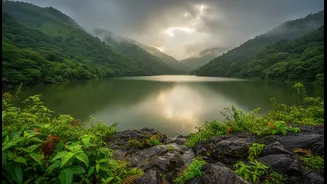
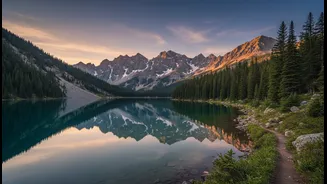
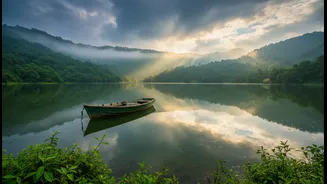
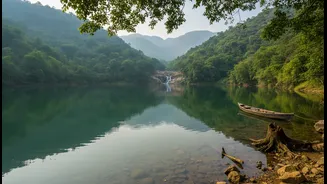
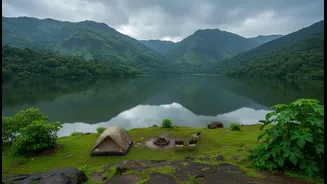
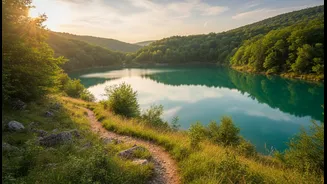
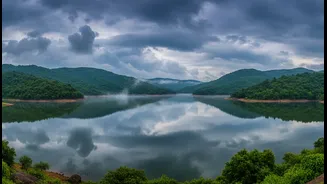
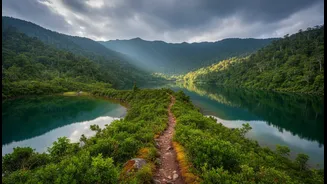
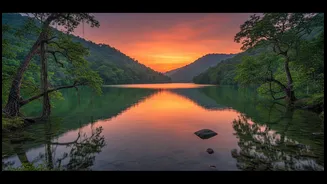
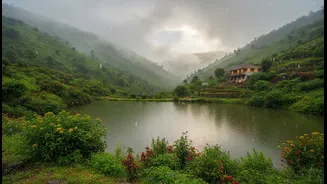
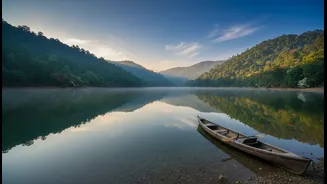
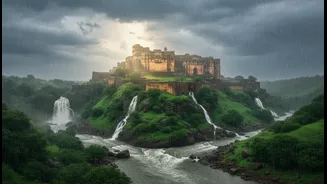
Now, a growing number of travellers are consciously sidestepping these commercial hubs. They are seeking something more genuine: the mist-laden hills, glistening lakes, and the simple charm of rural life. This shift in preference is paving the way for village homestays, particularly in the regions of Igatpuri, Bhandardara, Mulshi, and Pawna, to become the new face of monsoon tourism. These areas, dotted with lesser-known lakes and valleys, offer a tranquil alternative for those looking to experience the rains without the rush.
What is a Valley Lake Homestay?
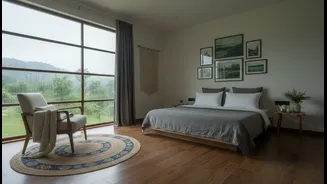
Forget multi-storey hotels and infinity pools. A village homestay experience is defined by its simplicity and connection to the local culture. Travellers stay in a part of a local family’s home or in a small, dedicated cottage on their property. The accommodations are typically modest, clean, and comfortable, offering basic amenities. The real luxury lies in the experience: waking up to the sound of rain on a tin roof, enjoying home-cooked Maharashtrian meals made with locally sourced ingredients, and sipping chai while overlooking a rain-swept valley or a pristine lake like Arthur Lake. These homestays are often part of a larger agro-tourism setup, allowing guests to get a glimpse of farm life, go on nature walks, or even participate in farming activities during their stay.
A Win-Win for Travellers and Villagers
This trend is about more than just a new travel option; it's a powerful engine for local economic transformation. For budget-conscious travellers, these homestays offer an affordable way to holiday, with costs significantly lower than conventional hotels. A trip can often be managed within a budget of ₹4,000 to ₹7,000. For the host communities, homestays provide a vital alternative source of income, especially during the monsoon when agricultural activity might be lower. This income flows directly into the local economy, creating a sustainable model that reduces the need for villagers to migrate to cities for work. It empowers local families, particularly women, who often take the lead in managing the hospitality, and helps preserve and showcase local culture, crafts, and cuisine.
The New Monsoon Traveller
The people driving this trend are not just looking for a cheap vacation; they are seeking an experience. They are typically young professionals, couples, and families from urban centres who want a digital detox and a meaningful break. They value authenticity over opulence and connection over convenience. This new breed of traveller is more mindful, often looking for eco-friendly and sustainable options. They are happy to trade room service for a conversation with their host and a generic buffet for a traditional meal. This mindset is crucial for the success of village tourism, as it is built on mutual respect between the visitor and the host community. The goal is to feel like a guest in a home, not a customer in a hotel.
The Road Ahead: Balancing Growth and Authenticity
The rising popularity of these hidden gems comes with its own set of challenges. The biggest question is how to manage growth without sacrificing the very authenticity that makes these places special. There is a delicate balance to be struck between providing basic comforts and hygiene standards and avoiding over-commercialisation that could turn a tranquil village into a crowded tourist trap. For this trend to be truly transformative and sustainable, it requires thoughtful planning from both local communities and state tourism bodies. The focus must remain on a low-impact, high-value experience that continues to benefit the local population while preserving the natural beauty and cultural integrity of these stunning monsoon destinations in Maharashtra.