





A Visitor in the July Sky
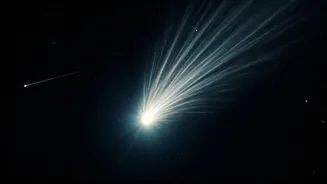
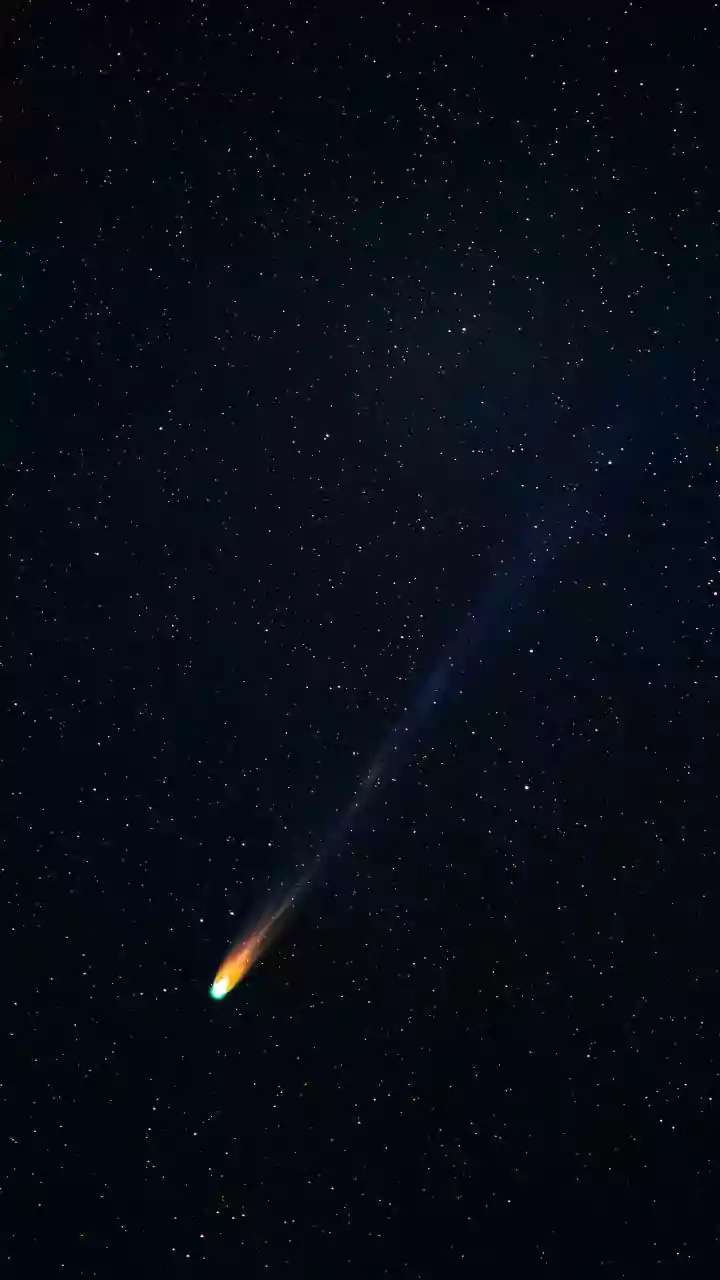
This month, astronomers are turning their attention to Comet 10P/Tempel 2. Throughout July and August 2026, this short-period comet will be making its way through the evening sky. While not bright enough to be seen with the naked eye, it will be a rewarding
target for anyone with a good pair of binoculars or a small telescope. Its approach, peaking in brightness as it nears the Sun, represents the culmination of countless hours of tracking and prediction. For the professionals and dedicated amateurs who scan the skies, Tempel 2 isn't just a data point; it's a character in a cosmic drama they've been following for years. This particular appearance is its brightest since 1967, making it a special occasion for a new generation of skywatchers.
More Than Just Dirty Snowballs
Comets are often called "dirty snowballs," a simple term for complex objects. They are essentially cosmic leftovers from the formation of our solar system some 4.6 billion years ago. Composed of ice, dust, and dark organic materials, they are preserved in the deep freeze of the outer solar system, in regions like the Kuiper Belt and the much more distant Oort Cloud. When a gravitational nudge sends one hurtling towards the Sun, the star's heat causes the ice to vaporise, releasing gas and dust. This creates the glowing coma (the head) and the iconic tail that can stretch for millions of kilometres. For scientists, this outgassing process is like opening a time capsule. By studying the composition of the dust and gas, they can learn about the primordial materials that formed our planets.
The Human Element of Discovery
Finding a new comet is an act of incredible patience. Amateur astronomer David Levy famously spent 928 fruitless hours searching before discovering his first one. This dedication is a testament to the deep personal drive that fuels much of astronomical discovery. The process of confirming and naming a comet adds to this personal connection. Comets are often named after their discoverers, linking a person's name to a celestial object for posterity. Think of Halley's Comet, named not for its discoverer but for Edmond Halley, who painstakingly calculated its orbit and predicted its return, connecting generations through a shared celestial event. In modern times, automated surveys like ATLAS find many comets, but the thrill of discovery, the moment a faint, fuzzy patch resolves into something new, remains a profoundly human experience.
A Connection to Our Origins
The study of comets isn't just about the objects themselves; it's about understanding our own origins. Some research suggests comets may have delivered water and the basic chemical building blocks of life to a young Earth. Recent studies of comets like 12P/Pons-Brooks have found that the chemical signature of their water is remarkably similar to that of Earth's oceans, adding strong evidence to this theory. When an astronomer analyses the light from a comet's tail, they are, in a sense, looking at a recipe for life. This transforms a distant object into a piece of our own history, a messenger from the distant past carrying clues about how we came to be. This connection between a far-flung icy body and life on our own planet is what makes the science so deeply personal.