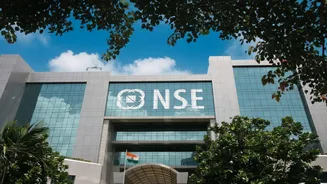









A Ten-Year Journey to Dalal Street
The story of the NSE's IPO is one of the most followed sagas in Indian finance. The exchange first filed its draft papers with the Securities and Exchange Board of India (SEBI) way back in December 2016. At the time, the listing was expected to be a straightforward
affair for the country's largest and most dominant stock exchange. However, what followed was a series of unprecedented roadblocks that kept the IPO in limbo for years. The primary reason for the delay was a string of regulatory concerns flagged by SEBI, chief among them being the infamous co-location controversy.
The Co-Location Scandal That Froze Everything
The biggest hurdle was the co-location case, which surfaced around 2015. A whistleblower alerted SEBI to allegations that the NSE was providing preferential access to its servers to a select group of brokers. This access allegedly allowed them to get price information fractions of a second faster than others, giving them an unfair advantage. SEBI's investigation found merit in the complaints, concluding that the exchange's systems compromised market integrity. This led to a years-long regulatory and legal battle, with penalties imposed on the NSE and its former executives. The matter escalated through the Securities Appellate Tribunal (SAT) and even reached the Supreme Court, effectively freezing the IPO plans until these serious governance lapses were addressed.
What's Changed to Make September Possible?
So, why the sudden momentum now? A few key things have shifted. First, the NSE has spent years overhauling its governance and compliance frameworks to satisfy the regulator. Second, there's been a clear move toward resolving the outstanding legal issues. SEBI's Chairman recently stated that the regulator has internally approved a proposed settlement in the co-location case, signalling that a final resolution is near. This progress was crucial for SEBI to issue a no-objection certificate (NOC), which it finally did on February 6, 2026, allowing the NSE's board to formally approve the IPO.
Details of the Mega-IPO
The proposed IPO is expected to be one of India's largest ever. The exchange is targeting a launch in September and looking to raise around ₹30,000 crore (approximately $3 billion). Investor roadshows are set to begin as soon as mid-July across global financial hubs like the US, London, Singapore, and Hong Kong to gauge interest. It's important to note that the IPO will be entirely an Offer for Sale (OFS). This means the NSE itself won't raise any fresh capital; instead, existing shareholders will sell a portion of their stake. Major sellers include the State Bank of India, while the largest shareholder, Life Insurance Corporation of India (LIC), will not be participating in the sale. The listing is expected to value the NSE at over ₹5 lakh crore.
What This Means for the Indian Market
The listing of India's largest stock exchange is a landmark event. For investors, it offers a rare chance to own a piece of the country's core financial infrastructure, a business that benefits from rising trading volumes and a growing investor base. The NSE's public listing will bring it under the same transparency and governance standards as other listed companies, a move that could boost overall investor confidence in the market's institutional framework. As the NSE can't list on its own platform, its shares will trade on its rival, the BSE. The sheer size of the IPO could temporarily absorb significant liquidity from the market, but its successful listing is expected to deepen institutional participation and set a new benchmark for financial infrastructure companies in India.