








Not Your Grandparent's Yoga?
Think again. The image of yoga as a pursuit for the elderly or the deeply spiritual is outdated. But so is the more recent image of yoga as a high-intensity, pretzel-contorting workout reserved for the hyper-flexible. A new wave of young practitioners
is seeking a middle path. They are bypassing the power vinyasa and hot yoga classes in favour of slower, more deliberate practices traditionally designed to enhance mobility, protect joints, and promote longevity. This isn't a rejection of fitness, but a redefinition of it, focusing on sustainability over spectacle.
The Rise of 'Pre-juvenation'
The core driver behind this trend is a concept best described as 'pre-juvenation'. Today’s youth, particularly those in demanding corporate or tech jobs, are experiencing the physical tolls of a sedentary lifestyle much earlier than previous generations. Hours spent hunched over laptops lead to 'tech neck', back pain, and tight hips. The constant mental stimulation of a digital world leads to burnout and adrenal fatigue. Young people aren't waiting for these problems to become chronic. Instead, they are proactively adopting practices that combat the 'ageing' effects of modern work life. It’s a preventative strategy, an investment in their future physical and mental well-being.
What 'Healthy Ageing' Yoga Involves
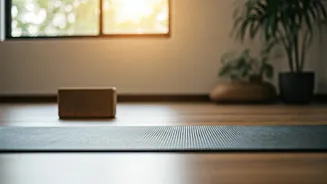
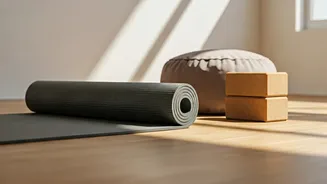
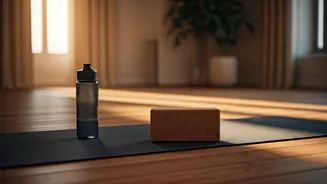
So, what does this specialised yoga look like? It places less emphasis on achieving a perfect, aesthetically pleasing pose and more on functional movement and internal sensation. Classes often feature gentle warm-ups, a focus on joint mobilisation (think wrist and ankle circles), and postures that build stability in the core and back. You'll find more restorative poses, props like blocks and bolsters to support the body, and a slower pace that encourages mindfulness. The goal isn't to sweat buckets, but to calm the nervous system, improve circulation, and maintain the body's range of motion for decades to come.
An Antidote to Burnout Culture
Beyond the physical benefits, the mental aspect is a huge draw. The hustle culture that defines many metro careers can be relentless. This gentle form of yoga provides a sanctuary. The slow, mindful movements and focus on breathwork are powerful tools for managing stress and anxiety. In a world that demands constant output and connectivity, an hour spent moving slowly and listening to your body is a radical act of self-care. It’s a deliberate disconnect from the chaos, helping to reset a nervous system that is perpetually in overdrive. For many young professionals, this is not just a luxury; it’s a necessity for mental survival.
A Shift in Wellness Priorities
Ultimately, this trend signals a mature and insightful shift in how a younger generation views health. They are moving away from the short-term goal of looking good in a photo to the long-term vision of feeling good in their bodies for a lifetime. They understand that true wellness isn't about punishing workouts, but about creating sustainable habits that nurture both body and mind. By embracing the principles of 'healthy ageing' in their twenties and thirties, they are not admitting defeat; they are playing the long game, ensuring their bodies can carry them through a long, active, and vibrant life.