






1. The Seated Spinal Twist
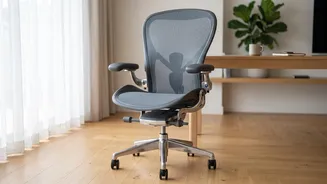
Tension often builds in the back and shoulders from hours of sitting. A seated spinal twist is an excellent way to improve spinal mobility and release that tightness. Sit tall in your chair with both feet flat on the floor. Gently twist your torso to the left,
placing your right hand on your left knee for a light stretch. Place your left hand on the back or arm of the chair for support. Hold for 15-20 seconds while breathing deeply, then slowly return to the center and repeat on the other side. This movement helps keep your spine flexible and can relieve lower back discomfort.
2. Neck and Shoulder Rolls
Hunching over a keyboard is a primary cause of neck and shoulder pain. Combat this by incorporating simple rolls throughout your day. For shoulder rolls, sit upright and slowly roll your shoulders forward in a circular motion five times, then reverse the direction for another five repetitions. For your neck, gently lower your chin to your chest and slowly roll your head from side to side, as if drawing a half-circle from one shoulder to the other. Avoid rolling your head all the way back. This sequence releases tension where many desk workers hold it most.
3. Leg Lifts and Ankle Rotations
Prolonged sitting can hamper circulation in your lower body. To keep the blood flowing, try seated leg extensions and ankle rotations. While sitting, extend one leg straight out in front of you until it is parallel with the floor. Hold for a few seconds, then lower it back down. Repeat 10 times on each leg. Follow this with ankle circles by lifting one foot slightly off the floor and rotating your ankle clockwise 10 times, then counter-clockwise. These small movements activate muscles and promote better circulation, reducing the risk of stiffness and swelling.
4. The Desk Chest Opener
Our posture often collapses forward during the workday, closing off the chest. A chest opener helps counteract this slouch. You can do this while sitting or standing. Clasp your hands behind your back, straighten your arms, and gently lift them while pulling your shoulder blades together. You should feel a pleasant stretch across the front of your chest and shoulders. Another option is to stand facing your desk, place your hands on the edge, and step back slightly, lowering your chest toward the desk to feel a stretch. Hold for 15–30 seconds to open up your posture.
5. The Stand–and–Stretch Break
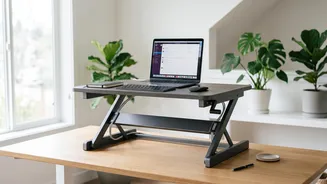
Perhaps the most crucial micro–movement is simply getting out of your chair. Health experts recommend standing or moving for a few minutes every hour. Set a reminder to stand up, reach your arms overhead for a full–body stretch, and maybe walk around your desk or office. This simple act of standing up breaks the cycle of prolonged sitting, which has been linked to numerous health issues. It re–engages your leg and core muscles, improves blood flow, and provides a quick mental reset, boosting productivity.