






The festive season brings joy, family, and a whirlwind of late-night gatherings. While the celebrations are invigorating, they can disrupt our routines and leave us feeling stressed and sleep-deprived. Here is how you can manage it all.
Watch What and When You Eat
Festive seasons
in India are synonymous with delicious, rich foods and sweets. While indulging is part of the fun, heavy, fatty, or spicy meals close to bedtime can cause digestive discomfort and interfere with sleep. Similarly, the sugar in festive treats can give you an initial energy spike, but as your blood sugar crashes, it can disrupt your sleep later in the night. Try to enjoy your main festive meal earlier in the evening and opt for a lighter snack if you feel hungry before bed. This gives your body ample time to digest, paving the way for more restful sleep.
Moderate Your Drink Intake
A festive drink might feel like a good way to unwind, but alcohol can significantly disrupt your rest. While it might help you fall asleep faster, it interferes with the restorative REM (Rapid Eye Movement) stage of sleep later in the night. This means the quality of your sleep is poorer, and you may wake up more frequently as the sedative effect wears off. Caffeine in coffee, tea, and even some chocolates can also act as a stimulant, keeping you awake. To minimise the impact, try to moderate your intake, avoid these beverages close to bedtime, and alternate alcoholic drinks with water to stay hydrated.
Maintain a Consistent Sleep Schedule
Late-night pandal hopping, card parties, and family gatherings can throw your body clock, or circadian rhythm, out of sync. While it's tempting to sleep in after a late night, it can make it harder to get back into a routine. As much as possible, try to go to bed and wake up around the same time each day. This consistency helps regulate your body's internal clock, making it easier to fall asleep and wake up feeling refreshed. If you know you have a late night ahead, consider a short power nap of about 20-30 minutes in the early afternoon to recharge without affecting your night-time sleep.
Create a WindDown Ritual
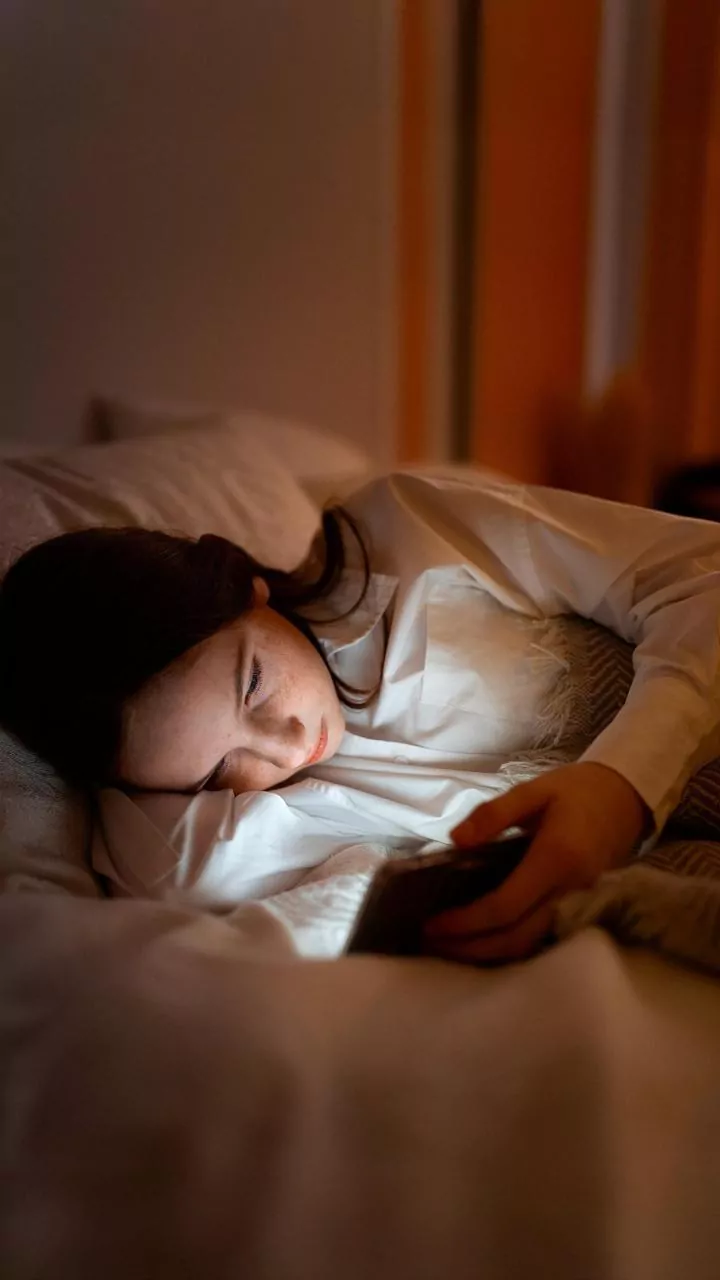
After the high energy of a social gathering, it's difficult to switch off and go straight to sleep. Create a relaxing pre_sleep routine to signal to your body that it's time to rest. This could be a 15_minute wind_down period involving calming activities. Consider reading a book, listening to soothing music, or taking a warm bath. It's also crucial to limit screen time from phones and TVs at least an hour before bed, as the blue light emitted can suppress the production of melatonin, the hormone that makes you feel sleepy.
Incorporate Gentle Movement and Relaxation
Festive stress is real, from planning to social obligations, and it can elevate cortisol, the stress hormone, making sleep difficult. Gentle physical activity during the day, like a brisk walk or some simple yoga, can significantly improve sleep quality by reducing stress. However, avoid intense workouts close to bedtime. Relaxation techniques like deep breathing or meditation can also be incredibly effective. Just a few minutes of focused breathing can calm your nervous system, helping you to let go of the day's excitement and drift off more easily.
Don’t Be Afraid to Say No
One of the biggest sources of festive stress is overcommitment. Trying to attend every party and social event can be exhausting. It's important to be realistic about what you can manage without feeling completely drained. Politely declining an invitation or leaving an event a little earlier to protect your sleep is a form of selfcare. Prioritising your rest doesn't mean you're missing out ; it means you'll have more energy to truly enjoy the events you do attend.