








The Deceptive Cool of a Rainy Run
On a hot day, the arrival of rain can feel like a blessing for anyone looking to exercise outdoors. The immediate drop in temperature and the cool water on your skin create a perception of a safer, more comfortable environment for a run or walk. However,
this feeling masks a critical environmental factor: humidity. Rainy conditions, especially during warmer months like the monsoon season, are almost always accompanied by a sharp spike in humidity. This combination of heat and high humidity creates a hidden danger that can put a significant strain on your body.
How Humidity Sabotages Your Body's Cooling System
Your body's primary method for cooling down during exercise is sweating. As sweat evaporates from your skin, it takes heat with it, a process known as evaporative cooling. But this system only works if the sweat can actually evaporate. When the air is already saturated with water vapor—as it is in high humidity—the sweat has nowhere to go. Instead of evaporating, it simply sits on your skin or drips off, doing very little to lower your core body temperature. Your body responds by sweating even more, leading to faster fluid loss without the cooling benefit, which can quickly lead to dehydration.
The Danger of the 'Heat Index'
The number on the thermometer doesn't tell the whole story. The 'heat index', or 'feels like' temperature, is a much more accurate measure of the stress on your body because it combines air temperature with relative humidity. For example, an air temperature of 30°C can feel like 38°C or higher when humidity is high. Exercising when the heat index is above 32°C (90°F) requires extreme caution, as the risk for heat cramps, heat exhaustion, and heatstroke increases significantly. The rain can make you underestimate this 'real feel' temperature, leading you to push harder than is safe.
Warning Signs You Shouldn't Ignore
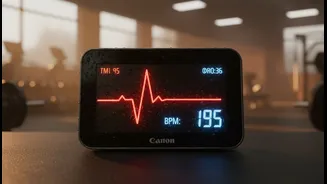
Because rain is already cooling your skin, it can be harder to notice the typical signs of overheating. It's crucial to pay attention to your body. Early signs of heat exhaustion include heavy sweating, headache, dizziness, nausea, weakness, and muscle cramps. Your skin might feel cool and clammy despite the heat. If you experience any of these symptoms, you must stop exercising immediately, move to a cool place, and rehydrate. Ignoring these signs can lead to heatstroke, a life-threatening emergency where the body's temperature control system fails. Symptoms of heatstroke include a high body temperature, hot and dry skin (or sometimes still moist), a rapid pulse, confusion, and potential loss of consciousness.
How to Exercise Safely in Humid Weather
Staying safe doesn't mean you have to abandon your workout, but it does require smart adjustments. First, always check the heat index before you head out. Choose to exercise during cooler parts of the day, like the early morning or late evening. Hydration is non-negotiable; drink water before, during, and after your workout, even if you don't feel thirsty. Wear lightweight, loose-fitting, and moisture-wicking clothing in light colors to help sweat evaporate as much as possible. Finally, listen to your body. Reduce the intensity and duration of your workout. If you're used to running 5 kilometers, maybe a 3-kilometer walk is a better choice on a highly humid day. Acclimatizing to the heat over several days can also help your body adapt.