





A Healthier Craving
Across cities like Mumbai, Delhi, and Bangalore, a quiet revolution is happening in snack bowls. While the headline’s claim of a total junk food replacement might be bold, there’s no denying the meteoric rise of makhana chaat as a preferred alternative.
This dish brilliantly satisfies the Indian palate's deep-seated love for “chaat”—a category of savory, tangy, and spicy street foods—but without the deep-fried guilt. It’s a response to a growing desire among urban Indians for snacks that don't compromise on flavor or health. As wellness becomes a priority, consumers are actively seeking out options that are light, nutritious, and, most importantly, still exciting to eat.
The Star: What is Makhana?
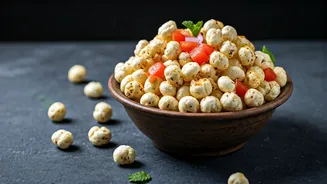
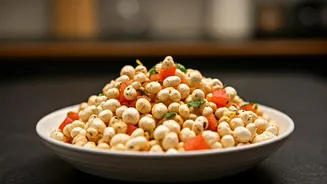
The hero of this dish is makhana, also known as fox nuts or puffed lotus seeds. If you’ve never heard of them, think of a healthier, more substantial popcorn. Harvested from the seeds of the water lily plant, these airy white puffs have been a staple in Indian pantries for centuries, often used in religious ceremonies and Ayurvedic medicine. When roasted, makhana becomes incredibly light and crunchy. Nutritionally, it’s a powerhouse: low in calories and fat, gluten-free, and rich in protein, fiber, and essential minerals like magnesium and potassium. Unlike popcorn, it doesn't require oil or butter to be delicious, making it an ideal base for a low-calorie snack. Its neutral flavor profile also makes it a perfect canvas for other ingredients.
The Soul: Understanding Chaat
To understand the appeal of makhana chaat, you have to understand chaat itself. Chaat isn't a single dish; it's an entire universe of flavor. The word itself means “to lick,” and the experience is a symphony of contrasting tastes and textures. A classic chaat hits all the notes: the fiery heat of chili, the tang of tamarind chutney, the fresh zing of mint-coriander chutney, the coolness of yogurt, and the crunch of fried noodles (sev) or crispy wafers (papdi). It's an explosive, multi-layered experience that’s central to Indian street food culture. The challenge for health-conscious foodies has always been how to capture that magic without relying on fried potatoes or dough.
The Perfect Marriage
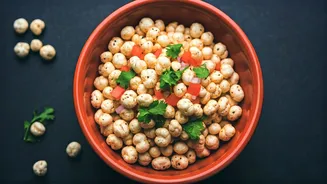
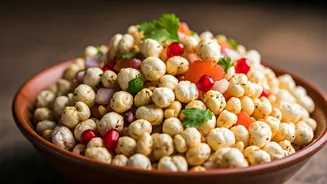
This is where Mint Chutney Makhana Chaat shines. It takes the light, crunchy, and wholesome base of roasted makhana and dresses it in the iconic flavors of chaat. The preparation is simple yet brilliant. The toasted makhana is tossed with a vibrant, spicy mint chutney, a sweet and tangy tamarind chutney, finely chopped onions, tomatoes, and fresh cilantro. A squeeze of lime juice adds a final burst of acidity, and for those who want a little extra indulgence, a sprinkle of crunchy sev can be added on top. The result is a snack that delivers the full sensory experience of chaat—the crunch, the spice, the tang—while swapping the heavy, fried elements for a light, protein-packed core.
Why It's a Modern Hit
The popularity of makhana chaat in Indian metros is no accident. It perfectly aligns with the modern urban lifestyle. It’s quick to prepare at home and is increasingly available in trendy cafes and health food stores. It’s endlessly customizable—you can adjust the spice levels, add chickpeas for more protein, or throw in pomegranate seeds for a sweet burst. Furthermore, it's incredibly Instagram-friendly, with its vibrant colors and textures. It represents a larger global trend: the rediscovery and modernization of traditional ingredients. By taking an ancient superfood and applying it to a beloved cultural food format, makhana chaat proves that healthy eating doesn't have to be boring or foreign; it can be familiar, flavorful, and deeply satisfying.