





As the festive and holiday season approaches, Indian travellers are once again confronting a familiar frustration: soaring flight prices and a scramble for seats. This year, the problem feels more acute, with questions mounting over a visible reduction
in flight availability when demand is at its highest.
The Paradox of Peak Season
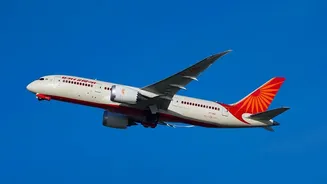
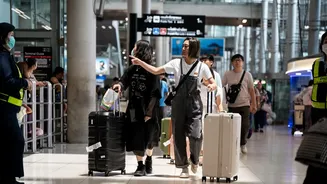
Every year, millions of Indians plan to travel back to their hometowns or take vacations during major festivals like Diwali and the Christmas-New Year period. Yet, just as demand surges, the supply of available airline seats seems to tighten, creating a perfect storm for exorbitant fares. Recent data confirms this is not just a feeling. For November and December 2026, Indian airlines have scheduled thousands fewer domestic flights compared to the previous year, translating to over a hundred fewer services each day. This reduction comes at a time when passenger demand is expected to peak, leaving many to wonder why airlines would cut back capacity when they are needed most.
A Calculated Cutback by Airlines
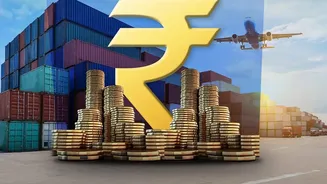
The decision to reduce flights is a calculated one, driven by harsh economic realities facing the aviation sector. Airlines are grappling with soaring operational expenses, chief among them being the high cost of Aviation Turbine Fuel (ATF), which can account for up to 40% of an airline's costs. Combined with a weaker rupee that makes dollar-denominated costs like aircraft leases and maintenance more expensive, carriers are under immense financial pressure. In response, airlines are prioritising profitability over volume. They are trimming capacity on less lucrative routes and focusing on high-demand, high-yield markets, effectively ensuring that the remaining seats can be sold at a premium. This strategy saw scheduled seats to and from India drop by nearly 4% in November, with fares jumping by an estimated 25-30%.
The Fleet and Supply Chain Crunch
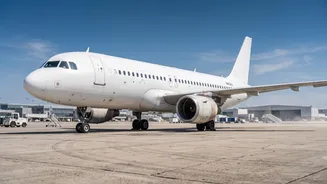
Beyond strategic cuts, a real-world shortage of aircraft is constraining capacity. While major Indian carriers like IndiGo, Air India, and Akasa Air have placed massive orders for over 1,200 new planes, global supply chain issues and backlogs at manufacturers like Boeing and Airbus mean these aircraft are arriving slowly. Some delivery timelines stretch as far as 2034. This long-term expansion plan does little to solve the immediate shortage. The aviation industry is still feeling the ripple effects of past disruptions, including airline bankruptcies that removed aircraft from the market and ongoing issues with engine suppliers that have grounded portions of existing fleets. This means that even if airlines wanted to operate more flights, they might not have the planes to do so.
Can Regulators Control the Surge?
With one-way fares on some popular routes surging to levels once associated with round-trip tickets, passengers are increasingly calling for government intervention. India's airfares are, by large, deregulated, allowing airlines to use dynamic pricing models where fares rise as demand increases and cheaper 'fare buckets' sell out. However, the government has recently taken notice. New rules notified under the Bharatiya Vayuyan Niyam, 2026, which are set to come into force in 2027, will not cap fares routinely but will empower the Centre to intervene and set temporary price limits during 'extraordinary situations'. For now, the Directorate General of Civil Aviation (DGCA) will primarily monitor fares submitted by airlines, but does not have the power to impose a hard cap during the current holiday rush.
Navigating the High-Priced Skies
For passengers, this leaves few immediate options beyond careful planning. The key to avoiding the worst of the price hikes is to book well in advance—ideally three to five months for long-haul or peak domestic travel. Flexibility is also crucial; flying a day or two before or after the absolute peak travel dates can result in significant savings. Travellers should also compare fares across different airlines and consider flying into alternative, nearby airports. As flight capacity remains tight and costs high, some experts even suggest considering alternative modes of transport, like the expanding network of Vande Bharat trains, for more price-sensitive journeys.