





More Than Bollywood Maximalism
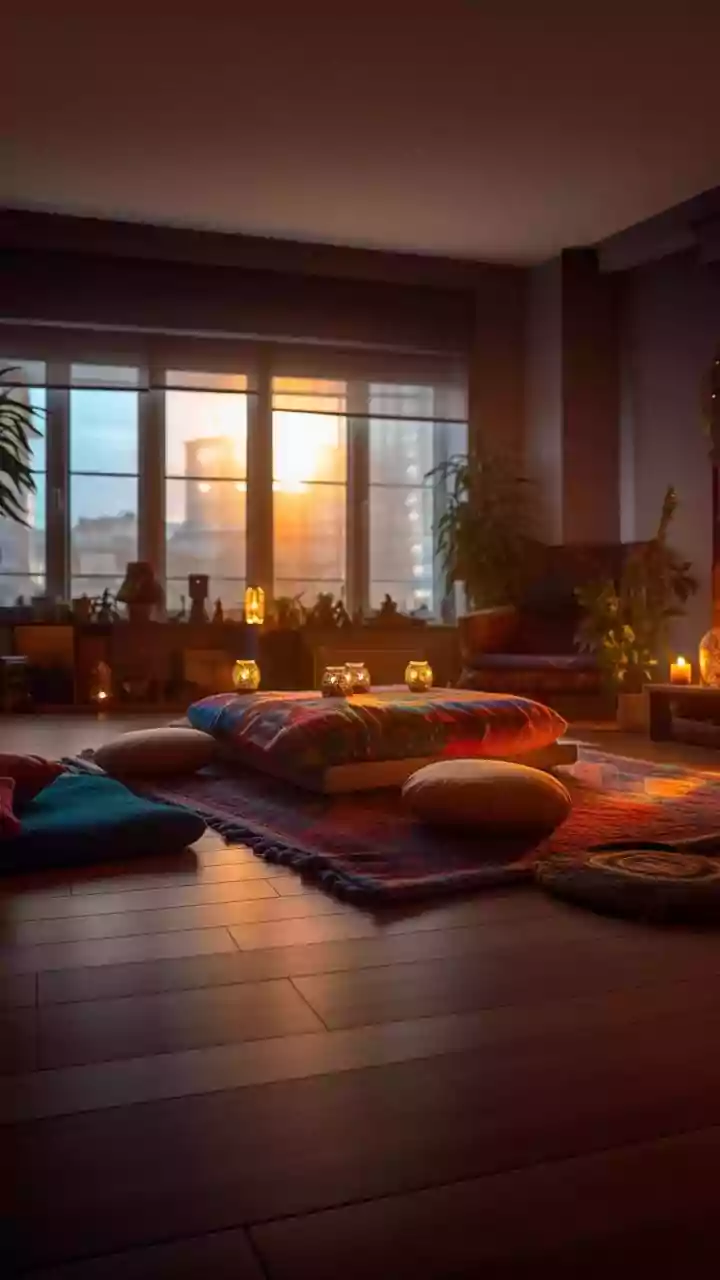
For decades, the global perception of Indian interiors has been shaped by a rich, maximalist tradition. Think heirloom-filled homes with heavy, carved rosewood furniture, walls adorned with Rajasthani textiles, and every surface showcasing a collection
of brassware or intricate block prints. This aesthetic, rooted in centuries of craftsmanship and a culture that celebrates abundance, is undeniably beautiful and still very much alive, especially during festive seasons like Diwali. However, pinning this singular style on a country of 1.4 billion people is like saying all American homes look like a New England farmhouse. A new, powerful counter-narrative is emerging from India’s urban centers, driven by a generation that is both globally aware and deeply connected to its roots. This isn’t about erasing a colorful past but thoughtfully editing for a modern present.
The New Urban Reality
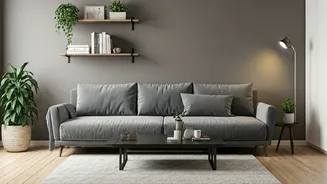
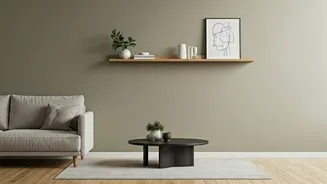
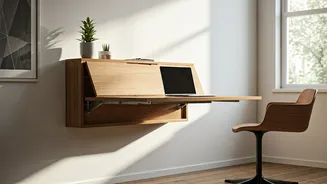
Two major forces are fueling this shift: urbanization and globalization. As millions of young professionals flock to megacities like Delhi, Mumbai, and Bengaluru, they are moving into smaller apartments where the opulent, space-consuming styles of their parents' generation are simply impractical. Clutter becomes a source of stress, not a sign of prosperity. A 900-square-foot apartment in a high-rise doesn't have room for a dozen decorative elephants and bulky, ornate sofas. Simultaneously, this is the first generation of Indian adults to have grown up with the internet, giving them unfiltered access to global design trends. They see the clean lines of Scandinavian design, the serene simplicity of Japanese Muji, and the decluttering gospel of Marie Kondo. They are adopting the core principles—functionality, intention, and the beauty of negative space—but are refusing to just copy and paste a foreign look into their homes.
Indian Minimalism: A New Language
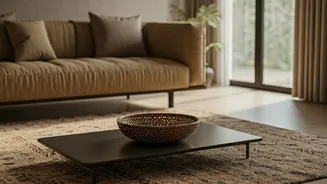
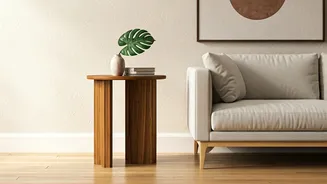
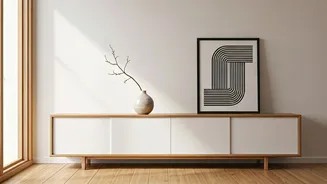
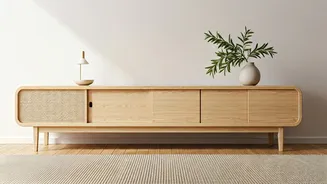
So, what does this new “Indian minimalism” look like? It’s less about stark white boxes and more about a warm, earthy-toned sanctuary. It’s a philosophy of subtraction, not deprivation. Instead of ten brass vases, there might be one beautifully crafted one, given pride of place on a clean-lined teak console. Instead of layers of heavy drapes, there might be light, hand-woven cotton curtains that let the sunlight stream in. This aesthetic champions a curated connection to heritage. An antique wooden chest from a grandparent’s home isn't discarded; it’s restored and becomes the focal point of a living room. The focus shifts from quantity to quality and meaning. A single, exquisitely woven Kanjivaram silk sari might be framed as a piece of art rather than being buried in a closet. It’s about creating breathing room for cherished objects to tell their stories.
The Elements of a Modern Indian Home
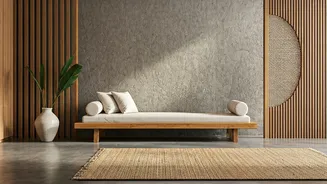
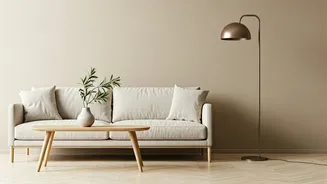
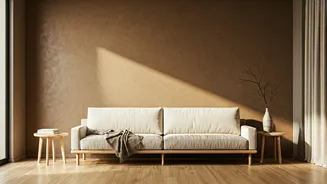
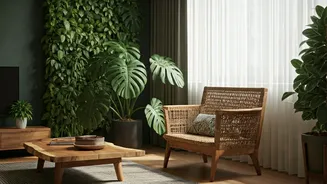
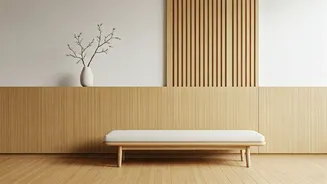
The material palette is key. Designers and homeowners are turning to natural, locally sourced materials that have always been part of the Indian architectural DNA: warm teak and cane for furniture, terracotta for planters, and jute for rugs. The color scheme is often neutral and earthy—shades of beige, ochre, and soft grays—which serves as a calm backdrop for strategic pops of jewel-toned color, like a sapphire blue cushion or an emerald green accent wall. Craftsmanship remains central, but in a more refined form. A hand-carved wooden screen might be used as a subtle room divider, its intricate pattern casting beautiful shadows, rather than being part of a heavy furniture set. This approach honors the skill of Indian artisans while integrating their work into a contemporary, functional context. It’s a style that feels both globally fluent and unmistakably Indian.