







The Dish That Steals the Show
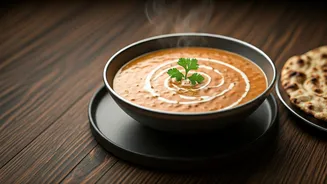
We’re talking about Dal Makhani. But not just any Dal Makhani. We’re aiming for the kind you dream about after visiting a legendary North Indian restaurant—impossibly creamy, deeply flavourful, with a smoky richness that coats your tongue. It’s the undisputed
king of dals, a dish that signals celebration and comfort in equal measure. Many home cooks are intimidated by it, assuming its luxurious texture requires some secret, unattainable technique. The truth? It just requires patience and a few key steps. This guide will demystify the process, giving you a foolproof method for a Dal Makhani that is so good, it will become your signature dish.
Gather Your Ingredients
The quality of your ingredients matters here. This isn’t the place for old spices from the back of the cupboard.
**For the Dal:**
- 1 cup whole black urad dal (sabut urad)
- ¼ cup red kidney beans (rajma)
- 1 teaspoon salt
- 6 cups water for pressure cooking
**For the Masala Base (Tadka):**
- 2 tablespoons ghee
- 2 tablespoons butter (plus more for finishing)
- 1 large onion, finely chopped
- 1 tablespoon ginger-garlic paste
- 2 large tomatoes, pureed (or 1 cup tomato puree)
- 1 teaspoon Kashmiri red chilli powder (for colour, not intense heat)
- ½ teaspoon turmeric powder
- 1 teaspoon coriander powder
- ½ teaspoon garam masala
**For the Finishing Touch:**
- ½ cup full-fat cream
- 1 tablespoon kasuri methi (dried fenugreek leaves), crushed
- A small piece of charcoal and 1 teaspoon ghee (optional, for the smoky flavour)
The Method: Patience is the Key
The secret to creamy Dal Makhani is slow cooking. Don't rush this process.
**1. Soak and Cook the Lentils:** Wash the urad dal and rajma thoroughly. Soak them overnight in plenty of water (at least 8 hours). This is a non-negotiable step for achieving that creamy texture. The next day, drain the water, add the lentils to a pressure cooker with 6 cups of fresh water and 1 teaspoon of salt. Cook on high heat until the first whistle, then reduce the heat to low and simmer for 45-60 minutes. The dal should be completely soft and mushy. Mash a few lentils against the side of the cooker to check; they should disintegrate easily.
**2. Prepare the Masala:** While the dal is cooking, heat the ghee and 2 tablespoons of butter in a heavy-bottomed pan or kadai. Add the finely chopped onions and sauté until they are soft and golden brown. This takes time, so be patient. Add the ginger-garlic paste and cook for another minute until the raw smell disappears. Add the tomato puree and all the powdered spices (Kashmiri chilli, turmeric, coriander). Cook this masala, stirring frequently, until the oil begins to separate from the mixture. This indicates the masala is well-cooked.
Bringing It All Together
**3. The Slow Simmer:** Once the dal is cooked, lightly mash it with the back of a ladle. You don't want a smooth paste, just a mix of whole and broken lentils. Pour the cooked dal and its water into the pan with the prepared masala. Mix well, check for salt, and bring to a gentle simmer. Now, let it cook on the lowest possible heat for at least 30 minutes, stirring occasionally to prevent it from sticking to the bottom. The longer it simmers, the creamier and more flavourful it will become. If the dal becomes too thick, add a little hot water to adjust the consistency.
**4. The Luxurious Finish (The Secret Step):** This is what makes it a restaurant classic. Turn off the heat. Stir in the cream and crushed kasuri methi. For that authentic smoky 'dhaba' flavour (the dhungar method), heat a small piece of charcoal on an open flame until it's red hot. Place a small steel bowl in the centre of the dal, put the hot charcoal in it, and pour 1 teaspoon of ghee over the charcoal. It will immediately start smoking. Quickly cover the pan with a tight-fitting lid and let it sit for 5 minutes. Remove the bowl and charcoal before serving. Finish with a final dollop of butter on top.