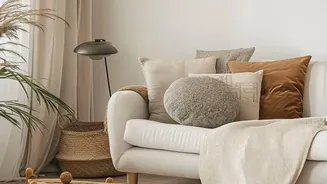


What is Slow Decorating?
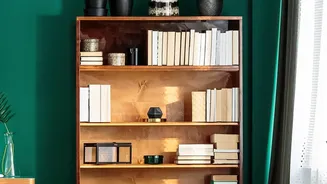
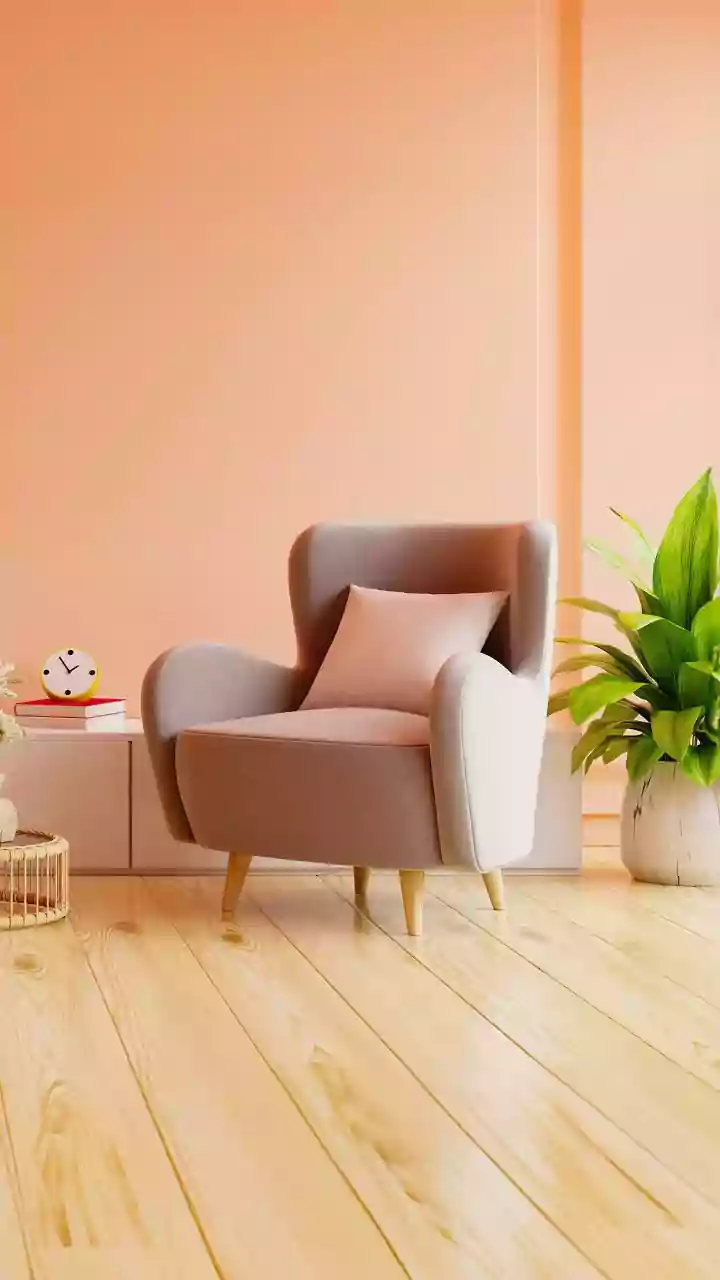
Slow decorating is the mindful, intentional antithesis to fast-paced consumerism. Emerging as a dominant interior trend, it champions creating a space that is thoughtfully curated over time rather than being filled with mass-produced items overnight.
The philosophy borrows from the 'slow food' movement, prioritizing quality, sustainability, and personal expression over fleeting trends. The goal is to build a home that tells your unique story, filled with pieces you genuinely love and that will stand the test of time. It’s about patience and allowing your home to evolve organically with your life, reflecting your journey and experiences. This means every choice, from a small vase to a large sofa, is a conscious and responsible act.
Resist the 'Finished Room' Pressure
One of the biggest hurdles to adopting a slower approach is the internal and external pressure to have a “finished” home immediately. Social media timelines and makeover shows often present perfectly styled rooms completed in a matter of days, creating an illusion that a beautiful home can be achieved instantly. Slow decorating asks you to let go of this pressure. Instead of seeing an empty corner as a problem to be solved, view it as an opportunity waiting for the right piece. Living in your space for a while allows you to understand its natural light, traffic flow, and how you genuinely use each area, leading to far more functional and satisfying long-term decisions.
Timing Your Big-Ticket Purchases
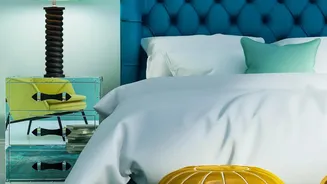
When it comes to expensive furniture like a sofa, dining table, or bed frame, timing is everything. Rushing these decisions often leads to buyer's remorse. The slow decorating ethos encourages you to prioritize these anchor pieces but to do so with care. Don't buy a complete set all at once. Instead, spread your purchases out over several months. This not only helps manage your budget but also allows you to take advantage of seasonal sales cycles, which often occur around major holidays. By observing a retailer's sales over a few months, you can identify their deepest discount patterns and wait to purchase when the price is right. This patience ensures you invest in a quality piece you love, rather than settling for something just to fill the space.
Identifying True Quality
A core tenet of slow decorating is investing in quality over quantity. But what does quality actually mean? For wood furniture, look for solid wood construction over particleboard or veneer. Check for strong joinery techniques like dovetail or mortise-and-tenon, which signal durability, rather than pieces held together with staples or glue. A quality piece will also feel heavy and substantial. The finish should be smooth and even, without blemishes. For upholstered items, check for reinforced corner blocks and a frame that doesn't wobble. Taking the time to research materials and construction will ensure your investment lasts for years, aligning perfectly with the sustainable spirit of the trend.
Mixing High, Low, and Vintage
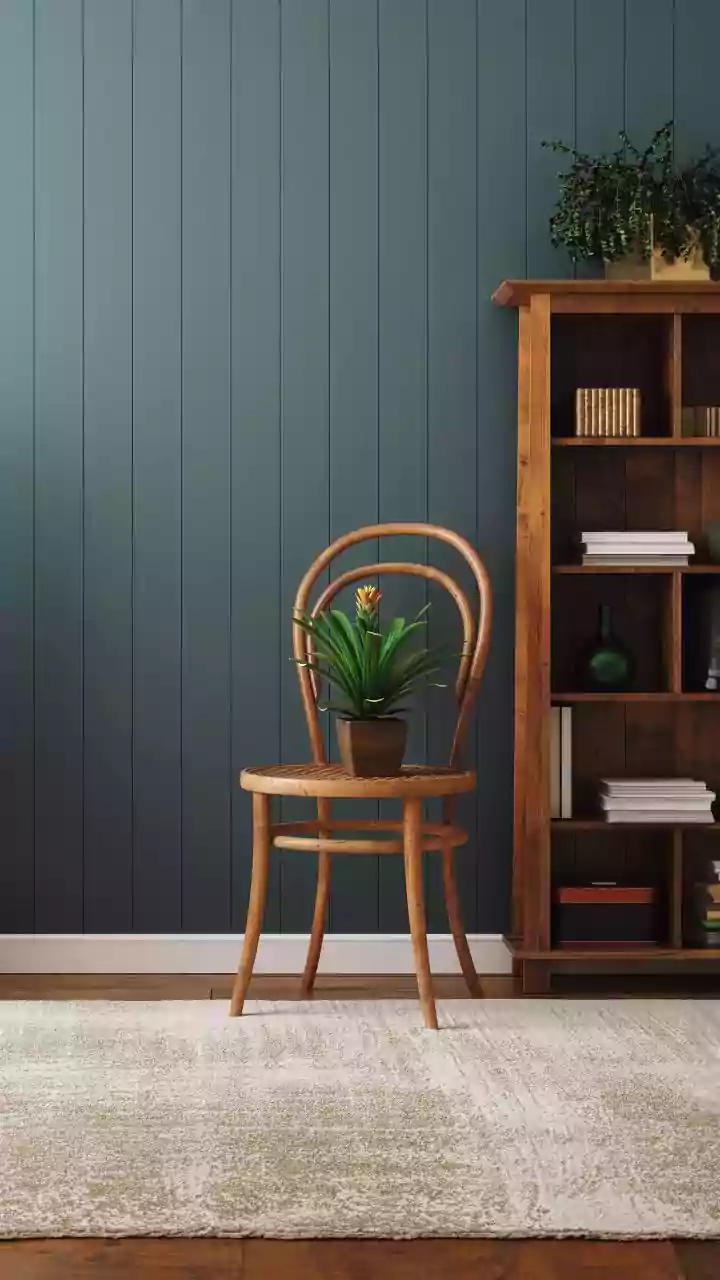
Slow decorating does not mean every single item in your home must be a high-end designer piece. The art lies in the mix. It’s about creating a layered, personal space that feels collected. Spend your budget on the foundational items that receive the most daily use, like a durable sofa or a comfortable mattress. Then, complement these investment pieces with more affordable accents, second-hand finds from marketplaces and thrift stores, or treasured family heirlooms. This approach not only makes your design more interesting and full of character, but it also makes it more attainable. A vintage side table or a piece of art found on your travels tells a far more compelling story than a room full of items from a single catalogue.