







From Fuel to Focus
The way we travel is changing, and our plates are leading the charge. For decades, decisions were driven by landmarks, weather, and budget. Food was simply fuel for the journey. But in 2026, for a huge number of travellers, the culinary experience is no
longer a pleasant byproduct of a trip; it's the very reason for it. [9] Recent studies highlight this evolution, with nearly 80% of leisure travellers stating that a destination's cuisine is an important or very important factor in their choice. [3, 19] This shift places food on par with fundamental criteria like price and location. It's a clear signal that tourists are now travelling to eat, rather than just eating while they travel. This trend is amplified by social media, where visually stunning dishes and food bloggers' authentic storytelling inspire wanderlust and shape dining preferences even before a trip is booked. [13, 22] Platforms like Instagram have turned local dishes into global celebrities, encouraging travellers to seek out specific meals and share their own discoveries.
The Search for Authentic Flavours
So, what are these food-focused travellers looking for? It’s not necessarily about Michelin stars or luxurious dining rooms. The data shows a powerful craving for authenticity. [19] A significant majority—around two-thirds of travellers—are more excited by street food and unique local haunts than by fine dining. [3] This isn't just about eating; it's about experiencing a culture in its most honest and delicious form. [14, 26] The modern culinary tourist wants to understand the story behind their meal. This translates into a desire for immersive, hands-on activities that go beyond a simple restaurant reservation. [12] Travellers are actively seeking out cooking classes with local chefs, tours of bustling food markets, farm-to-table dining experiences, and visits to the producers themselves—be it a winery, a cheese artisan, or a coffee plantation. [3] This drive is rooted in a psychological need for connection and novelty; trying a region's unique dishes is a memorable way to engage with its heritage and people. [20, 29]
The Economic Recipe for Destinations
This boom in gastro-tourism is not just a win for travellers; it’s a powerful engine for local economies. When tourists travel for food, they spend significantly. On average, food tourists dedicate about 25% of their travel budget to eating and drinking, injecting vital revenue into local communities. [4, 8] This spending has a ripple effect, supporting not just restaurants but also farmers, small-scale producers, and local markets. [6] Recognizing this, destinations worldwide are strategically developing and promoting their culinary identities. [28] By creating dedicated food trails, hosting festivals, and preserving heritage recipes, they can attract a new demographic of visitors, create jobs, and foster a sense of cultural pride. [8, 10] For many rural or lesser-known areas, a unique culinary offering can become a core tourism product, providing a sustainable path to economic growth that doesn't rely solely on traditional attractions. [10]
Tasting India, One Trail at a Time
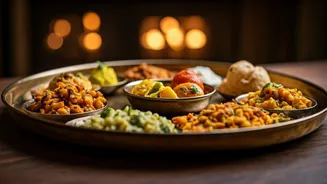
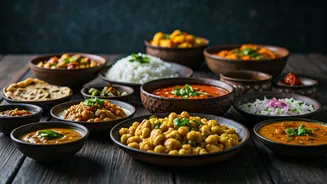
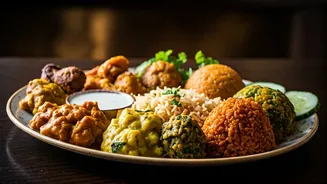
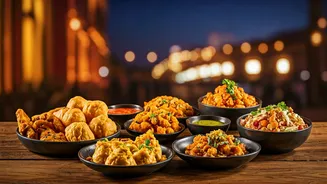
India, with its immense culinary diversity, is perfectly poised to capture the heart of the food-obsessed traveller. The country is a tapestry of food trails waiting to be explored. In Old Delhi, a walk through Chandni Chowk is a pilgrimage for street food lovers, offering everything from spicy chaat and stuffed parathas to legendary kebabs near Jama Masjid. [5, 7] Lucknow beckons with its rich Nawabi heritage, where dishes like Galouti kebabs and aromatic biryanis tell tales of royal kitchens. [5] Further south, a journey through Kerala unveils a world of spice and seafood, from Karimeen Pollichathu (pan-fried pearl spot fish) to a traditional Sadya feast served on a banana leaf. [5] You can follow the vada pav trail in Mumbai, explore the vegetarian thalis of Gujarat, or trace the history of filter coffee in Chennai. [5, 11] Each trail is more than a list of places to eat; it’s a curated journey through a region's history, agriculture, and soul.