





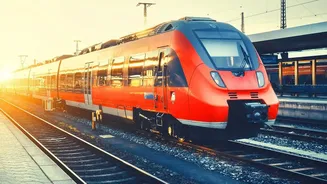
The Annual Festive Scramble
Every year, the months leading up to India's major festivals, such as Durga Puja, Diwali, and Chhath Puja, trigger a predictable travel frenzy. Millions of people living and working in major metropolitan areas attempt to travel back to their hometowns
to celebrate with family. This leads to an overwhelming demand for train tickets on popular routes, particularly those connecting cities like Delhi, Mumbai, and Bengaluru to destinations in Uttar Pradesh, Bihar, West Bengal, and Punjab. Tickets on regular services are often sold out within minutes of the booking window opening, which is typically 60 days before the date of travel. This leaves a vast number of hopeful travellers on long waitlists, facing the uncertainty of whether they will make it home for the holidays.
Indian Railways’ Yearly Solution: Special Trains
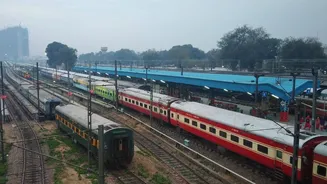
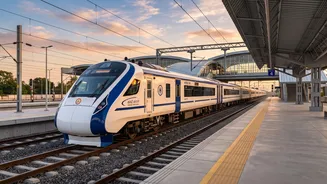
To cope with this enormous surge in passenger traffic, Indian Railways deploys a strategy it has honed over the years: the operation of 'Festival Special' trains. These are temporary, additional services added to high-demand corridors specifically to clear the festive rush. Unlike regular trains that run year-round on a fixed schedule, these special services are announced closer to the festival period and run for a limited number of trips. They are identifiable by their unique train numbers, often starting with a '0'. The primary goal is to provide extra capacity and offer a lifeline to those who couldn't secure a confirmed berth on their preferred trains, helping to alleviate some of the pressure on the core railway network.
What's New for the 2026 Season?
For the 2026 festive season, which includes Diwali on November 8, Indian Railways has begun announcing a comprehensive schedule of special trains. One notable initiative this year is a plan to run direct festival special trains over a continuous 90-day period, from mid-September through early December, to provide more predictable and seamless connectivity. The Ministry of Railways has directed all zonal offices to prepare in advance for the surge, ensuring passenger safety and amenities are prioritized. Numerous special services have already been notified by various railway zones, with Northern Railway, for instance, announcing a significant number of trips connecting Delhi with key cities in Uttar Pradesh and Bihar.
A Look at the Key Routes
The focus of these special trains is on the nation's busiest travel corridors during festival time. Based on recent announcements, travellers can expect special services on routes such as: New Delhi to Patna, Danapur, Varanasi, and Ayodhya; Mumbai to Katihar and Patna; and Chandigarh to Patna. For instance, the New Delhi-Danapur Reserved Special Express is scheduled for multiple trips, while the Varanasi-Delhi Festival Special Express will operate for a remarkable 50 trips. Other significant routes getting special services include connections between Anand Vihar (Delhi) and destinations like Patliputra, Muzaffarpur, and Jogbani. Many of these trains will offer a mix of AC 3-Tier, Sleeper, and General coaches to cater to passengers from different income groups.
How to Book and What to Expect
Booking for these special trains follows the same process as regular services and is done primarily through the IRCTC website and mobile app. However, it is crucial to stay alert, as announcements for these trains are often made in batches and booking can open with little advance notice. Tickets are expected to sell out extremely quickly. If you plan to travel, it's wise to frequently check official railway announcements and have your passenger details ready for a swift booking process. It's also important to remember that some special trains might have 'special' or dynamic fares, which can be higher than those for regular services. Passengers are advised to verify all details like train timings and designated stops before confirming their booking.
Will It Be Enough?
While the deployment of hundreds of special train trips is a massive logistical undertaking that provides much-needed relief, the sheer scale of demand during the festive season means that pressure on the system remains immense. These trains are a significant help, but they cannot accommodate everyone. Even with these extra services, many routes will still see high waitlist numbers. For travellers, the key takeaway is that while the special trains offer an additional opportunity to secure a ticket, early and proactive planning is still the best strategy. The 'waitlist scramble' will likely persist, but these extended services provide a better, more reliable fighting chance for a confirmed journey home.