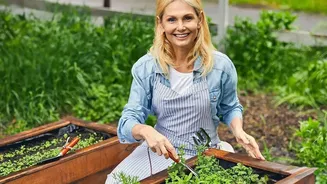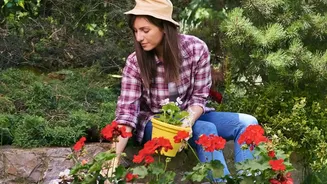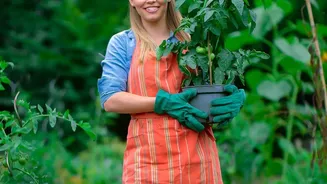





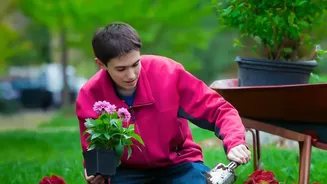

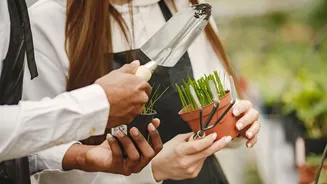
In a world that constantly rushes, the simple act of tending to plants offers a powerful antidote. Mindful gardening is more than just a hobby; it’s a practice that anchors you in the present moment, reducing stress and anxiety. But beyond the calm it cultivates,
this practice has a host of surprising benefits that can enrich your life in unexpected ways.
1. It Sharpens Your Mind
While gardening is often seen as a relaxing, physical pastime, its cognitive benefits are significant. The act of planning a garden, solving problems like pests or poor soil, and learning the life cycles of different plants provides gentle but consistent mental stimulation. Research has linked regular gardening to a reduced risk of dementia by as much as 36% in older adults. This is because gardening combines physical activity, problem-solving, and focused attention, which helps boost brain-derived neurotrophic factor, a protein crucial for memory and cognitive health. By engaging with the small, detailed tasks of nurturing plants, you are effectively training your brain to concentrate and focus.
2. It Teaches Radical Acceptance
A garden operates on its own schedule, often defying our best-laid plans. An unexpected frost, a sudden pest infestation, or a week of too much rain are all part of the process. Mindful gardening teaches a powerful lesson in acceptance—letting go of the need for control and working with what is, rather than what you wish would be. This practice of embracing imperfection and viewing 'failures' not as personal shortcomings but as learning opportunities builds resilience. Gardeners learn to adapt and respond to unpredictable conditions, a skill that translates directly into managing the uncertainties of daily life with a more relaxed and accepting outlook.
3. It Improves Your Diet Naturally
One of the most tangible yet often overlooked benefits of growing your own food is its positive impact on your eating habits. Studies consistently show that people who garden tend to eat more fruits and vegetables. When you've nurtured a tomato from a tiny seed to a ripe fruit, you're more invested in eating it. This connection to the food production process can also spark culinary curiosity, encouraging you to try new recipes and add more variety to your meals. It’s a simple, effective way to improve your nutrition without feeling like you're on a restrictive diet; the reward is the fresh, flavourful produce you grew yourself.
4. It Strengthens Social Bonds
While gardening can be a solitary, meditative activity, it also has a powerful social component. Community gardens, for instance, are hubs of social connection that help reduce loneliness and build supportive networks. Sharing extra produce with neighbours, swapping tips with fellow gardeners, or simply working alongside others fosters a sense of belonging. These interactions improve social functioning and create friendships built on a shared interest. Even for those with a private garden, the act of sharing the bounty with friends and family strengthens community ties and provides a sense of shared accomplishment.
5. It Provides Incidental, Full-Body Exercise
You don't need a gym membership to get a decent workout. Gardening provides varied, low-to-moderate intensity physical activity that engages the entire body. Activities like digging, raking, lifting bags of soil, and weeding all contribute to your weekly exercise goals, helping to lower blood pressure and reduce stress hormone levels. The range of movements improves flexibility, strength, and coordination. Unlike a structured workout, gardening feels less like a chore and more like a purposeful activity, making it an enjoyable and sustainable way to stay active and improve both physical and mental health.