




The Headline Numbers
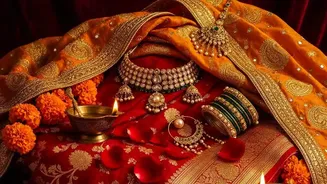
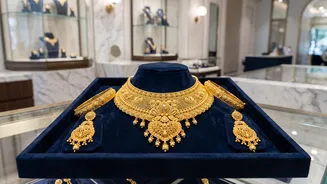
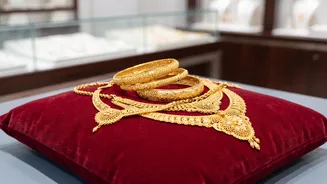
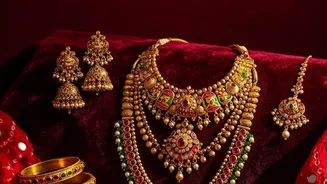
This year's festive season, culminating in Dhanteras and Diwali, saw a significant uptick in gold sales. According to the India Bullion and Jewellers Association (IBJA), gold demand rose by as much as 30% in volume terms compared to the same period last
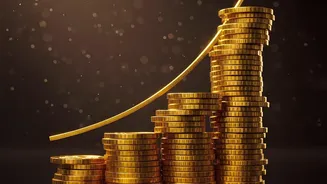
year. The industry body estimated that consumers purchased approximately 52 tonnes of gold. Other trade bodies, like the All India Gem and Jewelry Domestic Council (GJC), echoed this positive sentiment, estimating total sales value across the festive period could cross Rs 62,000 crore, a value increase of 15-20% year-over-year. These figures suggest a strong revival in consumer interest after a period of volatility.
A Price Correction Catalyst
A key driver behind the festive rush was a timely correction in gold prices. After hitting record highs of around Rs 1.8 lakh per 10 grams earlier in 2026, prices retreated to the range of Rs 1.42 lakh leading into the festival. This dip provided a crucial incentive for buyers who had been waiting on the sidelines. Surendra Mehta, national secretary of the IBJA, noted that this created a sense of pent-up demand being released into the market. While prices were still about 10% higher than the previous year's Dhanteras, the fall from the peak was significant enough to improve consumer sentiment and encourage purchases.
Value Up, Volume Steady
A deeper look at the data reveals a nuanced picture. While the value of sales saw a double-digit jump, the actual volume of gold sold was largely flat or only modestly higher compared to last year. This indicates that much of the revenue growth came from higher prevailing gold prices, not necessarily from more grams being sold. Retailers observed that consumers were adapting to the high-price environment by opting for lighter-weight jewellery or exchanging old gold to offset the cost of new pieces. This trend highlights that while the tradition of buying gold remains strong, affordability continues to be a major consideration for households.
The Bigger Economic Picture
The festive surge offers a glimmer of optimism but comes against a mixed economic backdrop. Earlier in the year, the World Gold Council had forecast that India's overall gold demand for 2026 might hit a six-year low due to elevated prices and a weak monsoon impacting rural incomes. Rural areas traditionally account for more than half of India's gold demand, and their purchasing power is closely tied to agricultural performance. The festive sales boost, therefore, appears to be driven more by urban consumers and wedding-related buying. Jewellers have noted that strong advance bookings for the upcoming wedding season, which begins mid-November, also contributed significantly to the festive sales figures.
Looking Beyond the Festive Glow
The strong festive numbers are a welcome sign for the jewellery industry, but the context is crucial. The increase in sales value is a positive indicator of consumer willingness to spend, but the flat volume suggests price sensitivity remains high. The reliance on old gold exchanges also points to a market where consumers are looking for ways to manage costs. The performance of the upcoming wedding season and the trajectory of global gold prices will be the next key indicators to watch. For now, the industry is celebrating a season that, while not a record in terms of volume, has reaffirmed gold's enduring cultural and economic significance in India.