



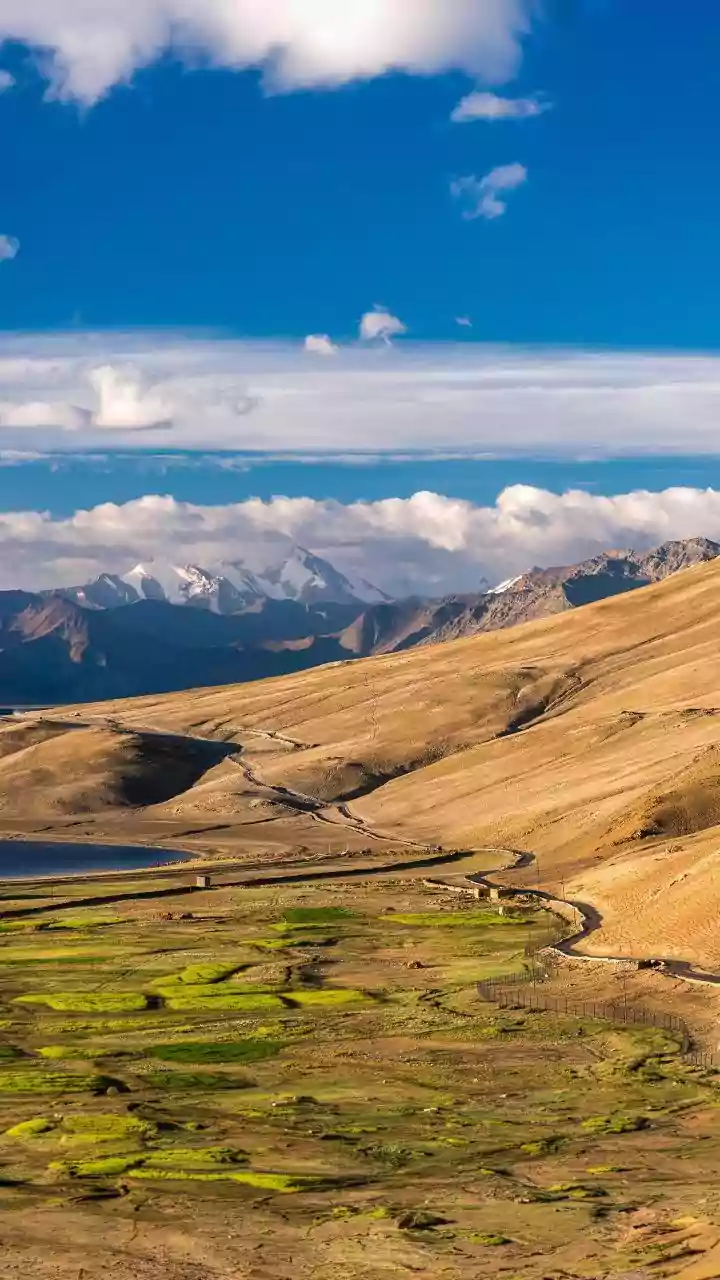



India's incredible beauty attracts millions, but popular spots are buckling under the strain. Overtourism is leading to traffic-choked roads and strained resources. But there’s a better way to explore this vast country, one that benefits everyone.
The Reality of Overtourism
The
term 'overtourism' describes the negative impacts when too many visitors crowd one destination. In India, this is a stark reality. Hill stations like Shimla and Manali, once serene retreats, now face severe water shortages, with locals sometimes receiving water only once a week while hotels cater to tourists. During peak season, tens of thousands of vehicles can enter these fragile Himalayan regions daily, causing gridlock and pollution. The issue isn't confined to the mountains. Goa's popular beaches are battling overcrowding and waste management crises, threatening the local culture and environment. This unsustainable influx, often driven by social media trends, puts immense pressure on infrastructure, leading to environmental degradation and diminishing the quality of life for residents.
The Power of the Calendar
One of the simplest yet most effective ways to travel more responsibly is by choosing your timing wisely. Travelling during the 'off-season' or 'shoulder seasons'—the periods just before or after the peak tourist rush—can transform your experience. These times, such as the monsoon in Kerala or the post-festival lull in Rajasthan, offer a different kind of beauty. The benefits are immediate: fewer crowds at iconic monuments, significantly lower prices for flights and accommodation, and a more relaxed atmosphere. With fewer tourists around, you're more likely to have meaningful interactions with locals who aren't stretched thin by the peak season chaos. This simple shift from a peak-season trip to a shoulder-season one helps distribute the tourist load more evenly throughout the year, easing the pressure on popular spots.
Crafting a Mindful Itinerary
Mindful travel is about being intentional with your choices to create a deeper, more respectful journey. Instead of a rushed checklist of sights, it encourages slowing down and truly experiencing a place. This can mean choosing a homestay or a locally-owned boutique hotel over a large chain, ensuring your money directly supports the community. A mindful itinerary might involve participating in a local craft workshop in Rajasthan, taking a cooking class in a Keralan village, or hiring a local guide for a trek. These choices foster authentic cultural exchange. It also means being conscious of your environmental footprint by carrying reusable water bottles to reduce plastic waste and respecting wildlife from a distance. By focusing on the quality of your experiences rather than the quantity of places visited, your trip becomes more memorable and less extractive.
Exploring Beyond the Beaten Path
India is vast, and for every crowded destination, there are dozens of breathtaking, lesser-known alternatives. Instead of joining the queues in Manali, consider the serene Tirthan Valley for its riverside cabins and quiet hiking trails. If the main beaches of Goa feel too commercial, explore the calmer coast of Gokarna in Karnataka or Varkala in Kerala. Instead of just Jaipur, the 'Pink City', discover the artistic havelis of Mandawa or the stunning stepwells of Bundi in other parts of Rajasthan. Choosing these offbeat locations doesn't mean sacrificing beauty or comfort. It often means discovering a more authentic version of India, free from large crowds, and contributing to the economies of communities that don't typically benefit from mass tourism.