





The weeknight dinner rush is a familiar challenge: you want something delicious and satisfying, but time is short and cleanup is a chore. Enter the one-pot pasta, a game-changing technique that delivers a flavorful meal with minimal fuss.
The One-Pot Philosophy
The magic of
one-pot pasta lies in its efficiency. Instead of boiling pasta in one pot and making a sauce in another, everything cooks together. As the pasta cooks directly in the sauce, it releases starches that naturally thicken the liquid, creating a creamy, cohesive dish without needing heavy creams or a complicated roux. This method not only saves a pot from the sink but also infuses the pasta with flavor from the inside out, a feat impossible when noodles are cooked in plain water.
Mastering the Method and Ratios
Success with one-pot pasta hinges on two things: the right ratio of liquid to pasta and frequent stirring. A reliable starting point is about 3 to 4 cups of liquid (like vegetable broth or water) for every 8 ounces of dry pasta. Long pastas like spaghetti or linguine work well in a wide, low-sided sauté pan that allows them to lie flat, while shorter shapes like penne or rotini are great in a deeper pot. As the mixture comes to a boil and then simmers, stir it every couple of minutes to prevent sticking. If the pan looks dry before the pasta is tender, simply add another splash of hot water or broth. The total cook time is typically just 10 to 15 minutes.
Building Flavor, Fast
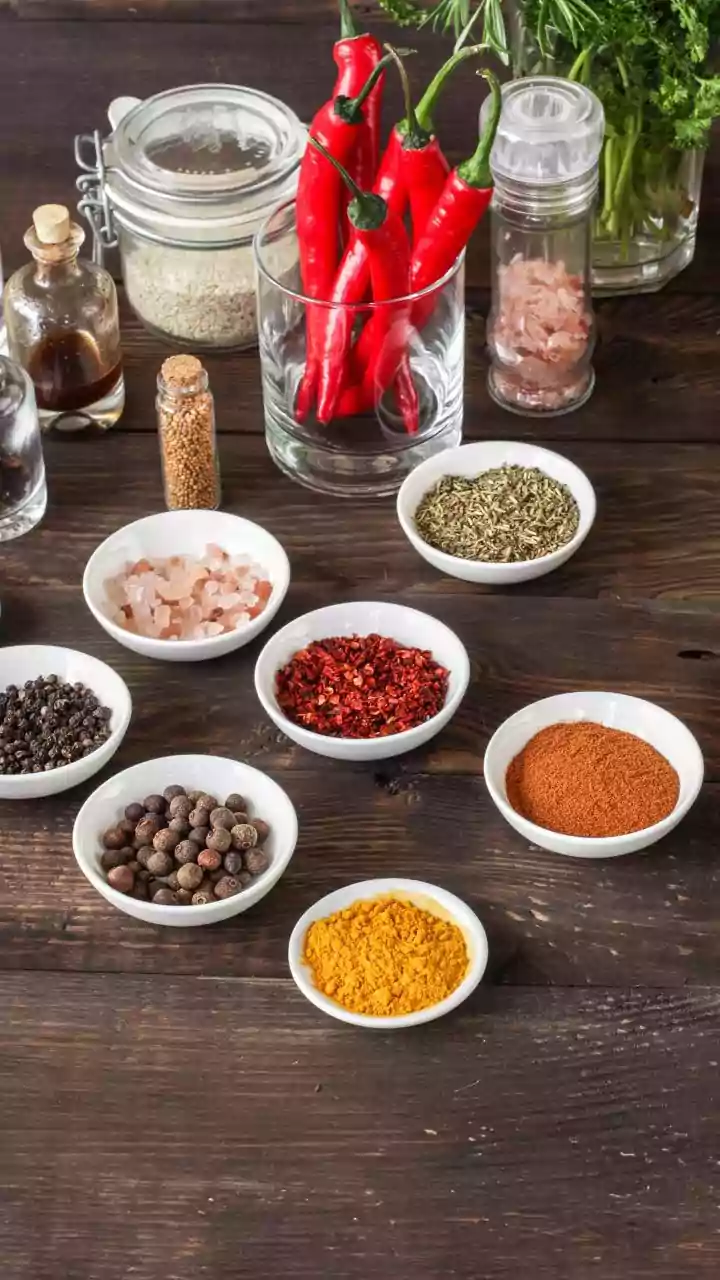
A vegetarian dish needs layers of flavor to truly sing. The 'flavorful' promise begins before the pasta even hits the pot. Start by sautéing aromatics like diced onion and minced garlic in olive oil until softened. This simple step releases their fat-soluble flavor compounds and creates a savory base. For even more depth, use vegetable broth instead of water. Don't be afraid to add dried herbs like oregano or a pinch of red pepper flakes along with the aromatics. A final flourish of acidity from a squeeze of lemon juice or a splash of white wine at the end can brighten the entire dish.
The Order of Operations
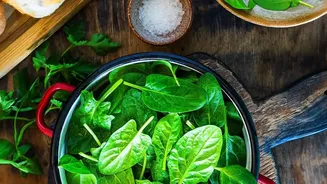
While some recipes call for dumping everything in at once, a strategic approach yields better results. First, sauté your hearty vegetables and aromatics (onions, garlic, carrots, bell peppers). Next, add your liquid, seasonings, and the dry pasta, ensuring the pasta is mostly submerged. Bring everything to a rolling boil, then reduce to a lively simmer. This is when the main cooking happens. Quick cooking or delicate ingredients, like spinach, cherry tomatoes, or fresh basil, should be stirred in during the last few minutes of cooking so they don't turn mushy. Finally, turn off the heat and stir in any cheese, like Parmesan, or a dollop of Greek yogurt for extra creaminess.
Flavor Idea: Creamy Tomato and Spinach
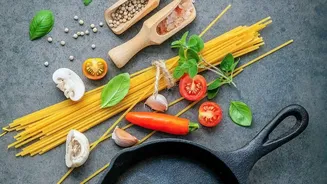
For a classic and comforting meal, start by sautéing garlic and onion. Add 8 ounces of spaghetti, a can of crushed tomatoes, and enough vegetable broth to nearly cover the pasta (about 3 cups). Season with salt, pepper, and a teaspoon of dried oregano. Bring to a boil and simmer for about 10 minutes, stirring often. In the final two minutes, stir in a few large handfuls of fresh spinach until it wilts. Finish off the heat with a generous helping of grated Parmesan cheese and some fresh basil.
Flavor Idea : Lemon , Asparagus , and Feta
For a brighter , zestier pasta , try a spring - inspired combination . Sauté garlic in olive oil , then add 8 ounces of penne , 4 cups of vegetable broth , and the zest of one lemon . Simmer until the pasta is nearly al dente . About 3 - 4 minutes before it ' s done , add a bunch of chopped asparagus . Once the pasta is cooked and the liquid has reduced , turn off the heat . Stir in the juice of the lemon , crumbled feta cheese , and fresh dill or parsley . The residual heat will soften the feta into a creamy , tangy sauce .