




The Oval, 1971: A New Dawn
This was the win that started it all. Arriving in England for a three-match series, Ajit Wadekar's Indian team was seen as a significant underdog. After two hard-fought draws, the series came down to the final Test at The Oval. England secured a 71-run
first-innings lead, and the match seemed to be heading for another stalemate or an English victory. However, the fourth day produced a moment of magic that has been etched in Indian cricket folklore. The leg-spinner Bhagwat Chandrasekhar delivered a mesmerising spell, taking 6 wickets for just 38 runs to skittle England for a mere 101. Left with a target of 173, India held its nerve. Contributions from Wadekar, Dilip Sardesai, and Farokh Engineer saw the team home by four wickets, sealing India's first-ever Test win and series victory in England.
Adelaide, 2003: The Wall Stands Tall
Facing Steve Waugh's all-conquering Australian side was the ultimate test in cricket. After Australia posted a mammoth 556 in the first innings at the Adelaide Oval, India found themselves in deep trouble at 85 for 4. What followed was a partnership for the ages between Rahul Dravid and VVS Laxman, who had famously tormented the Australians two years prior in Kolkata. The pair added 303 runs, with Laxman scoring a brilliant 148. Dravid, however, was on another plane. He compiled a masterly 233, an innings of immense skill and concentration that brought India to 523. The momentum had shifted completely. Ajit Agarkar then produced a career-best spell of 6 for 41 to bowl Australia out for 196. Chasing 230 for a historic win, it was Dravid who fittingly remained unbeaten on 72 to guide India home and secure a 1-0 series lead.
Johannesburg, 2006: Conquering the Final Frontier
Before this match, India had never won a Test match in South Africa. The Wanderers stadium in Johannesburg, with its pace and bounce, was an intimidating venue. After being humbled in the preceding ODI series, few gave Rahul Dravid's team a chance. However, a fiery young fast bowler from Kerala had other ideas. S. Sreesanth produced one of the most memorable spells of swing and seam bowling by an Indian, taking 5 for 40 to demolish the Proteas for just 84 in their first innings. This gave India a crucial lead. In the second innings, a target of 402 proved too much for the hosts. Sreesanth, Zaheer Khan, and Anil Kumble each took three wickets as India completed a famous 123-run victory. The win was a landmark moment, breaking new ground for the team and instilling the belief that they could compete and win anywhere in the world.
The Gabba, 2021: Mission Impossible
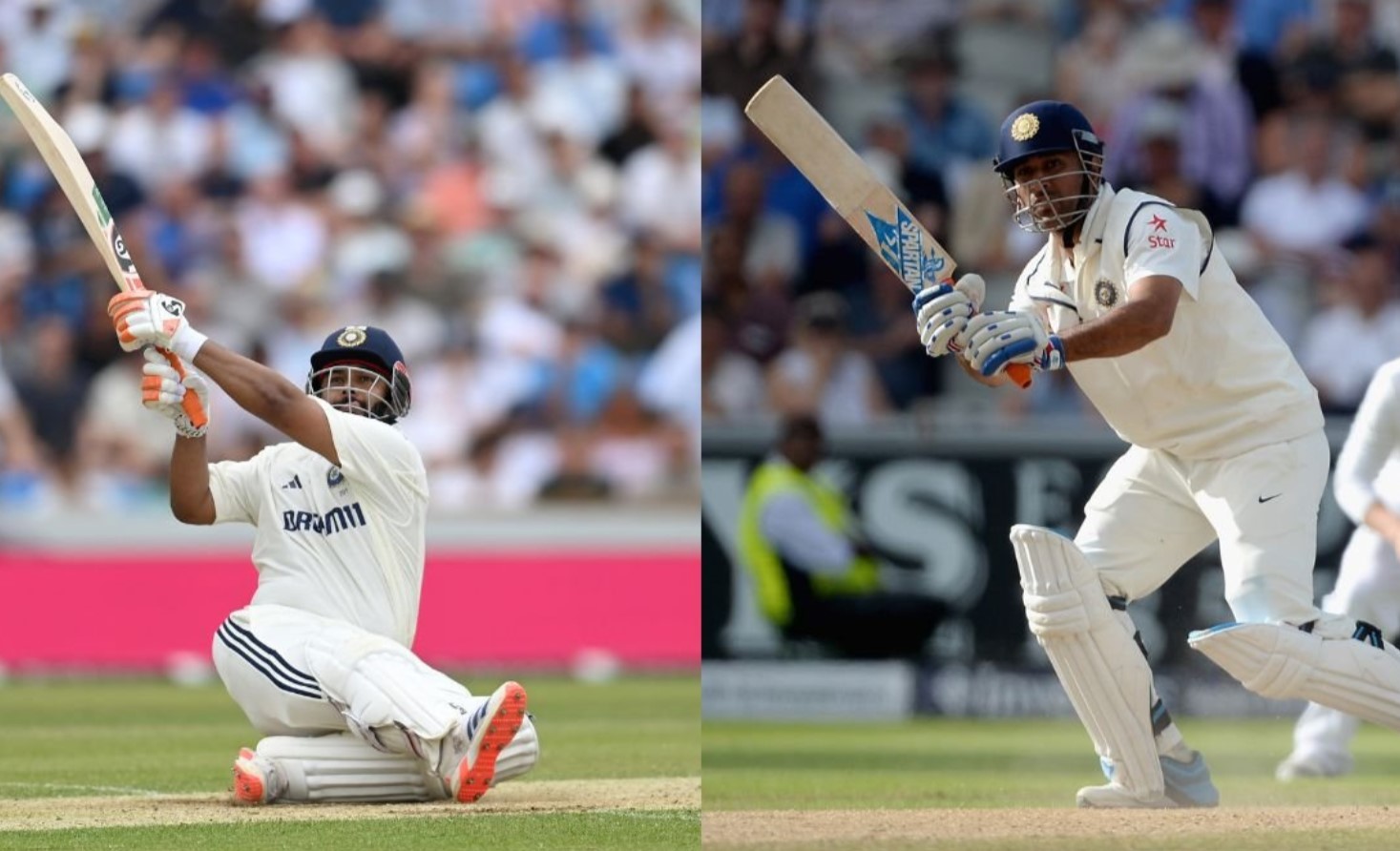
Perhaps the most dramatic and improbable victory of them all came at a venue where Australia had not lost a Test for 32 years. Ravaged by injuries and led by stand-in captain Ajinkya Rahane, a young and inexperienced Indian side faced a full-strength Australian team. After being bowled out for 36 in the first Test, India had fought back to level the series. In the decider at the Gabba, they were set an imposing target of 328 on the final day. The chase was built on three remarkable innings: a fluent 91 from Shubman Gill, a defiant and courageous 56 from Cheteshwar Pujara who absorbed countless blows to the body, and a stunning, audacious unbeaten 89 from Rishabh Pant. Pant's fearless attack in the final session sealed a three-wicket win in the dying moments of the day, clinching the series 2-1 and completing one of the greatest comebacks in sports history.