




A New, Erratic Rhythm for the Rains
India's climate is defined by the monsoon, a seasonal phenomenon that ecosystems have adapted to over millennia. Forests rely on this predictable cycle for everything from seed germination to nutrient distribution. However, this predictability is fading.
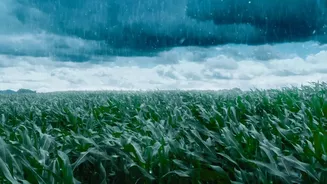
Climate change is causing the monsoon to become more erratic, characterized by long dry spells punctuated by short, intense bursts of extreme rainfall. This 'uneven' distribution means the total annual rainfall might look normal on paper, but the way it arrives is drastically different. Instead of a steady, soil-soaking season, forests are now facing the dual threats of prolonged thirst and sudden deluge, a combination that destabilizes even the most resilient ecosystems.
The Stress of Drought and Fire
Extended dry periods between heavy rains are creating a condition known as 'ecological drought', where there isn't enough soil moisture to sustain plant life, even in traditionally wet regions. This moisture stress weakens trees, making them more vulnerable to pest attacks and diseases. More alarmingly, it dramatically increases the risk of forest fires. Longer dry seasons mean more flammable material on the forest floor. Studies in central India have already linked rising temperatures and shifting rainfall patterns to an increased frequency of forest fires, with dry deciduous forests being particularly vulnerable. This creates a dangerous feedback loop: as fires degrade the forest, its ability to retain moisture further diminishes.
The Destructive Power of a Downpour
The other side of the uneven rainfall coin is the intensity of the downpours when they finally occur. Short, extreme rainfall events, especially on dry, hardened soil, do not replenish groundwater effectively. Instead, the water runs off the surface, causing massive soil erosion and washing away the nutrient-rich topsoil that forests depend on. In mountainous regions like the Western Ghats and the Himalayas, these intense rains trigger landslides, which can decimate entire forest patches in an instant. The 2018 floods in Kerala were a stark example of how extreme rainfall in ecologically sensitive areas can cause long-lasting damage to forest ecosystems, changing landscapes and altering river courses.
A Gradual Shift in Forest Identity
The changing water regime is silently forcing a shift in the composition of India's forests. As some tree species struggle to cope with new patterns of drought and flood, more opportunistic or drought-resistant species may begin to dominate. This could lead to a long-term decline in biodiversity. For example, moist deciduous forests might become drier and more open, fundamentally changing their character and the services they provide. The Forest Survey of India has warned that by 2050, nearly two-thirds of India's forest cover could face high-severity impacts from climate change, which includes these drastic shifts in rainfall. This transition threatens not just the trees, but the entire web of life that depends on them.
The Ripple Effect on Wildlife and People
Forests are not isolated systems. The impacts of uneven rainfall ripple outwards, affecting wildlife and human communities. Changes in plant life disrupt food sources and habitats for animals, forcing them to migrate or leading to population declines. For instance, Asian elephants' ranges are predicted to shift to higher elevations in search of water and suitable habitats. For the millions of people in India who depend on forests for their livelihoods—for everything from water to fuel and food—a degraded forest means a more precarious existence. The disruption of these ancient ecosystems ultimately threatens the water security and socio-economic stability of the entire region.