


Every plant owner knows the frustration: a perfect green leaf marred by a crispy, brown tip. While the instinct is to grab a sprayer or watering can, the real solution lies in understanding what your plant is truly asking for.
Decoding the Dreaded Brown Tip
Before you can fix the problem,
it helps to understand the cause. Brown leaf tips are essentially dead tissue. This happens when a part of the leaf isn't receiving enough water to stay alive. The tips and edges are the furthest points from the roots, so they are the first to suffer when the plant's plumbing system is stressed. The most common culprits are not what you might think. While underwatering is a possible cause, the issue is often more complex. Low ambient humidity, inconsistent watering schedules, and a buildup of salts or minerals in the soil are the primary reasons your plant's leaves are turning brown. Many popular houseplants in India, such as Calatheas, ferns, and palms, are native to tropical regions with high humidity. Our homes, especially with air conditioning, are often much drier, causing moisture to evaporate from the leaves faster than the roots can supply it.
The Misting Myth: A Temporary Fix
Misting is one of the most passed-down pieces of plant advice, intended to boost humidity. The logic seems sound: tropical plants love moisture, so spraying them with water should help. However, the effect is incredibly temporary. Misting may raise the humidity in the immediate vicinity of a leaf, but this boost often dissipates in minutes as the water evaporates. It’s like licking chapped lips—it provides momentary relief but doesn't solve the underlying dryness. For misting to have a significant, lasting impact on humidity, you would need to spray your plants multiple times per hour, which is impractical for most people. Furthermore, allowing water to sit on leaves for extended periods, especially with poor air circulation, can create an ideal environment for fungal and bacterial diseases. That said, misting isn’t entirely useless. It can be helpful for cleaning dust off leaves, which helps with photosynthesis, and temporarily hydrating new leaves as they unfurl.
The Power of the Occasional Soak
While misting addresses the air, soaking tackles the soil. An 'occasional soak' refers to the practice of thoroughly and deeply watering your plant, either by placing the pot in a basin of water (bottom-watering) or by watering from the top until it drains freely. This method ensures the entire root ball becomes fully saturated, preventing dry pockets from forming in the soil, which can happen with frequent, light watering. A deep soak also serves another crucial function: it helps flush out excess mineral salts that accumulate from tap water and fertilisers. This salt buildup can become toxic to the roots, burning them and preventing them from absorbing water effectively—a condition that also leads to brown tips. By periodically soaking the soil and letting the excess water drain away, you are essentially cleaning the plant's root environment.
The Real Solution: It's Not a Competition
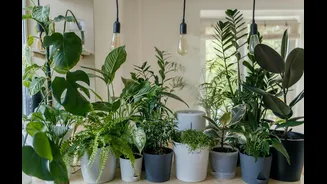
The headline presents a choice between misting and soaking, but the truth is they are not competing solutions. They address two different problems. Healthy leaves are the result of a balanced approach that provides both adequate soil moisture and sufficient air humidity. Relying only on misting neglects the root system, while relying only on deep watering ignores the plant's atmospheric needs. The most effective strategy is to combine proper watering techniques with more stable methods of increasing humidity. Instead of relying on the temporary fix of misting, consider grouping plants together to create a more humid microclimate. Another popular and more effective method is to place plants on a tray filled with pebbles and water, ensuring the pot sits on the pebbles and not in the water. For serious plant enthusiasts with many tropicals, investing in a small room humidifier is the most effective way to consistently maintain the 40-60% humidity that most houseplants prefer.
Your New Plant Care Checklist
To say goodbye to brown tips, adopt a more holistic approach. First, assess your watering habits. Instead of watering on a strict schedule, check the soil. For most tropical plants, water deeply only when the top inch or two of soil feels dry. When you do water, do it thoroughly. Take the plant to a sink and allow water to run through the pot until it drains freely from the bottom. This ensures full saturation and flushes salts. Every few months, perform an extra-long flush to prevent mineral buildup. Next, address humidity. If you have humidity-loving plants like ferns, Calatheas, or Marantas, group them together or use a pebble tray. If your home is particularly dry, a humidifier is your best bet. Finally, be mindful of your water source. If your tap water is very hard or treated, letting it sit out overnight or using filtered water can help reduce chlorine and other minerals that contribute to brown tips in sensitive plants.