




The Silken Canvas: Reshmi Paratha
First, let's talk about the paratha itself. The word 'reshmi' means silken, which perfectly describes the texture of this flatbread. Unlike its whole-wheat counterparts, reshmi paratha is often made with a combination of all-purpose flour (maida) and
whole wheat flour (atta), and sometimes includes ingredients like milk, cream, or even mashed potato in the dough to achieve an incredibly soft, melt-in-your-mouth quality. This results in a paratha that is tender and flaky rather than dense or chewy. It creates the perfect, yielding envelope, a delicate base that doesn't compete with its filling but instead complements it.
The Creamy Centrepiece: Paneer
At the heart of the filling is paneer, India’s beloved fresh cheese. Paneer has a mild, milky flavour and a firm, spongy texture. Crucially, it doesn't melt when heated. Instead, it softens and absorbs the flavours around it like a sponge. When crumbled or grated into a paratha filling, it provides a creamy, protein-rich element that is substantial without being heavy. Its subtle taste allows the spices and vegetables to shine, while its texture offers a satisfying, soft bite that contrasts beautifully with the other components. Think of it as the calm, creamy anchor that holds the entire filling together.
The Vibrant Crunch: Mixed Vegetables
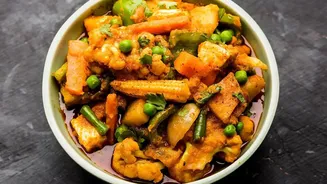
This is where the magic of texture really comes into play. A filling of paneer alone would be too uniform. Mixed vegetables introduce a delightful complexity. Finely chopped onions, bell peppers, carrots, peas, and sometimes even grated cauliflower are popular choices. Each vegetable brings something unique to the party. Onions and bell peppers offer a savoury crunch, carrots lend a subtle sweetness and vibrant colour, and peas provide little bursts of freshness. This variety prevents palate fatigue, ensuring every bite is interesting. The vegetables are typically sautéed until they are tender-crisp, so they retain a slight bite that contrasts with the soft paneer and the silky paratha. This interplay of soft, creamy, and crunchy textures is a fundamental principle in creating a satisfying dish.
A Symphony of Spices
No Indian dish is complete without a masterful blend of spices, and this filling is no exception. The goal here is to enhance, not overpower. Aromatic spices like cumin, coriander powder, and a touch of garam masala are often used to bring warmth and depth. Ginger and green chillies add a gentle heat and zest, while a pinch of amchur (dry mango powder) can provide a subtle tangy note that cuts through the richness of the paneer. These spices permeate the mild paneer and coat the vegetables, uniting all the elements into a single, cohesive, and flavourful filling that is aromatic and incredibly delicious. The spices bridge the gap between the creamy cheese and the fresh vegetables, making the combination feel intentional and harmonious.
The Perfect Bite
When you bring all these elements together, you create more than just a stuffed flatbread; you create a complete experience. The first bite breaks through the soft, flaky layers of the reshmi paratha. Then you reach the filling: the creamy, yielding paneer studded with crisp, sweet vegetables, all humming with a gentle, aromatic spice blend. It's a masterclass in balance. The soft bread, the rich cheese, and the fresh crunch of the vegetables create a textural journey that is deeply comforting and endlessly interesting. It’s a combination that works because it engages multiple senses, offering a balanced profile of flavour, texture, and aroma in every single mouthful.