






Just How Wet Has It Been?
The first week of July 2026 wasn't just wet; it was historically so. In just seven days, Mumbai received more rain than it normally does in the entire month. The IMD's Santacruz observatory recorded a whopping 989 mm between June 30 and July 6, surpassing
its average for all of July. To put that in perspective, Mumbai received more rain in one week than Delhi typically gets in an entire year. This intense spell has more than compensated for a relatively dry June, but it also points to a worrying trend: the rain isn't spread out anymore. Instead, it's arriving in short, furious bursts that push the city's infrastructure to its absolute limit.
Decoding the Downpour
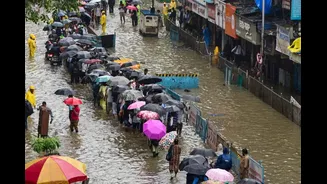
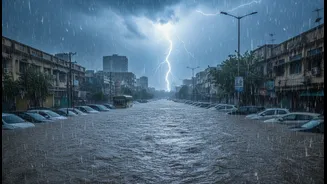
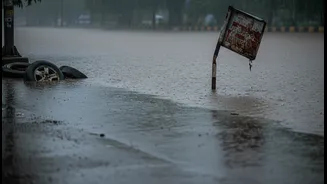
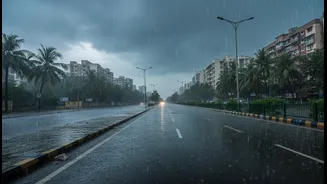
You often hear terms like 'heavy', 'very heavy', and 'extremely heavy' rainfall on the news. But what do they actually mean? The India Meteorological Department (IMD) has clear definitions. 'Extremely heavy' rainfall, for instance, is when a region gets 204.5 mm or more in a 24-hour period. During the first week of July, Mumbai experienced two such days. This concentration of rainfall is a major reason for the widespread disruption. Instead of the steady, multi-week showers of the past, the city is now facing what some experts describe as 'cloudburst-like' episodes. These intense spells don't give the city’s drainage systems time to cope, leading to the familiar scenes of waterlogged streets and underpasses in low-lying areas like Andheri and Chembur.
The Daily Commute Chaos
For Mumbaikars, the real test of the monsoon is the daily commute. The recent heavy rains caused significant disruptions, especially for those relying on local trains. Waterlogging on tracks, particularly in the Vasai-Virar section, led to the suspension of some services and long delays on the Western Railway line. Videos on social media showed commuters wading through knee-deep water on railway tracks at night. Landslides on the Mumbai-Pune Expressway and track washouts on the Central line near Neral added to the travel woes, affecting long-distance trains as well. While services often resumed after a brief respite from the rain, trains frequently ran 15 to 30 minutes behind schedule, turning a simple journey into a test of patience.
Good News for Our Taps?
There is a silver lining to this deluge: the city's water supply. The intense rainfall has significantly boosted the water levels in the seven lakes that provide Mumbai with its drinking water. As of July 10, the total water stock in these lakes reached 49.41% of their total capacity. Two lakes, Vihar and Tulsi, even began overflowing on July 7. While the current level is a huge improvement, it's still lower than the 73.50% recorded on the same date last year, reminding us that a good monsoon is crucial for the city's water security throughout the year. The downpours in the catchment areas have been vital, with key reservoirs like Modak Sagar reaching over 83% of its capacity.
Is This the New Normal?
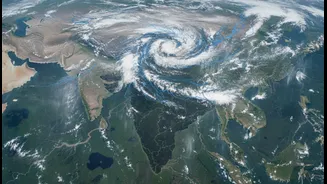
The extreme rainfall events in early July are more than just a dramatic weather story; they are evidence of a changing climate. Scientists point out that a warming Arabian Sea is contributing to more volatile and concentrated downpours. The pattern is shifting from steady seasonal rains to these hyper-intense spells, which presents a massive challenge for urban planning. The city's infrastructure, much of which was built for older, more predictable rainfall patterns, struggles to handle such a large volume of water in a short time. While Mumbaikars have a famous resilience, the increasing frequency of these extreme events raises tough questions about adapting the city for a future where this kind of monsoon might just be the new normal.