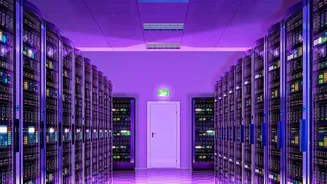






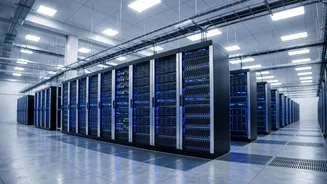
India is on the cusp of a digital infrastructure boom. A recent report from Crisil Ratings suggests the nation could attract over Rs 3 lakh crore in data centre investments by 2030, driven by the insatiable demand for AI computing.
The AI and Data Deluge
The primary catalyst
for this projected investment surge is the global explosion in Artificial Intelligence. Generative AI (GenAI) models, which power everything from advanced chatbots to complex analytics, require immense computational power. This translates directly into a need for more, and more powerful, data centres. Unlike traditional data storage, AI workloads involve high-density computing that consumes significantly more energy, demanding specialised facilities. This boom is compounded by India's massive and growing digital consumption. With a vast internet user base, rising cloud adoption by businesses, and the government's Digital India initiative, the country is generating unprecedented volumes of data that needs to be stored and processed.
From Underdog to Global Hub
For years, India's data centre capacity has lagged behind its data consumption. Despite accounting for nearly 20% of global data consumption, the country hosts less than 5% of the world's data centres. According to a report from Crisil, this has created a massive growth opportunity. The agency projects that India's installed capacity will expand five-fold, from around 1.5 GW in 2026 to approximately 7.5 GW by 2030. This expansion is supported by India's significant cost advantages. Development costs for data centres in India are about 20% lower than in competing Asia-Pacific markets, and rental rates are 30-35% more competitive, making it an attractive destination for global hyperscalers—the tech giants that dominate cloud computing.
The Key Players Fuelling Growth
A mix of domestic conglomerates and global giants are pouring capital into India's digital backbone. Companies like AdaniConneX (a joint venture between Adani Enterprises and EdgeConneX), Reliance Jio, the Hiranandani Group's Yotta Data Services, and Nxtra Data (by Airtel) are leading the charge with ambitious expansion plans. They are joined by international players like NTT, STT GDC, and Equinix, who are also scaling up their Indian operations. Nearly half of the upcoming capacity is already pre-leased on long-term contracts, often to hyperscalers, which reduces investment risk and provides clear revenue visibility for developers.
Government Policies as a Catalyst
The Indian government has played a crucial role in creating a favourable environment. Policies promoting data localisation, which mandate that certain types of data be stored within the country, have been a significant driver for domestic data centre demand. The Digital Personal Data Protection Act and specific directives from financial regulators like the RBI have compelled global companies to invest in local infrastructure. Furthermore, the government's 'IndiaAI Mission' and various state-level incentives, including tax holidays and subsidies, are directly encouraging the development of AI-ready facilities and attracting foreign investment.
Roadblocks on the Digital Highway
Despite the optimistic outlook, the path to becoming a 7.5 GW powerhouse is not without its challenges. The single biggest hurdle is power. AI-ready data centres are incredibly energyintensive, and ensuring a stable, uninterrupted, and increasingly green power supply is a major concern. The demand for electricity from data centres is expected to rise significantly, putting pressure on the national grid. Other challenges include securing regulatory clearances in a timely manner, acquiring large land parcels in strategic locations near fibre optic cable landing stations, and sourcing a skilled workforce to build and manage these advanced facilities. Managing these factors will be critical for developers to execute their ambitious projects on schedule.