



The Meaning of a Single Origin
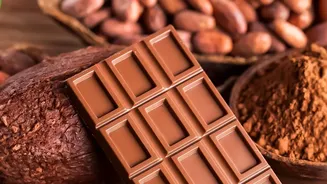
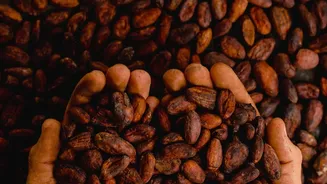
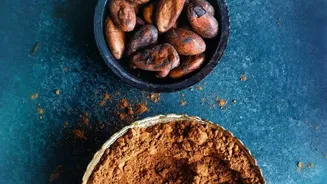
First, let’s unwrap the terminology. “Single-origin” means the cocoa beans used in a chocolate bar all come from a specific region, sometimes even a single farm. Much like with wine or coffee, this allows the chocolate to reflect its unique environment,
or “terroir.” The soil, climate, and surrounding crops all influence the final flavour. This is a world away from mass-market chocolates, which blend beans from various sources to achieve a uniform taste. The rise of single-origin is closely tied to the “bean-to-bar” philosophy, where chocolate makers control the entire production process, from sourcing raw beans to crafting the final product. This ensures transparency, ethical sourcing, and a focus on quality over quantity.
South India’s Emerging Cocoa Belt
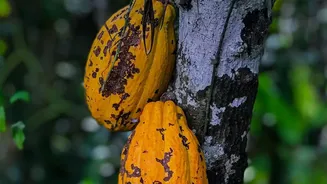
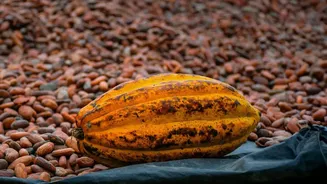
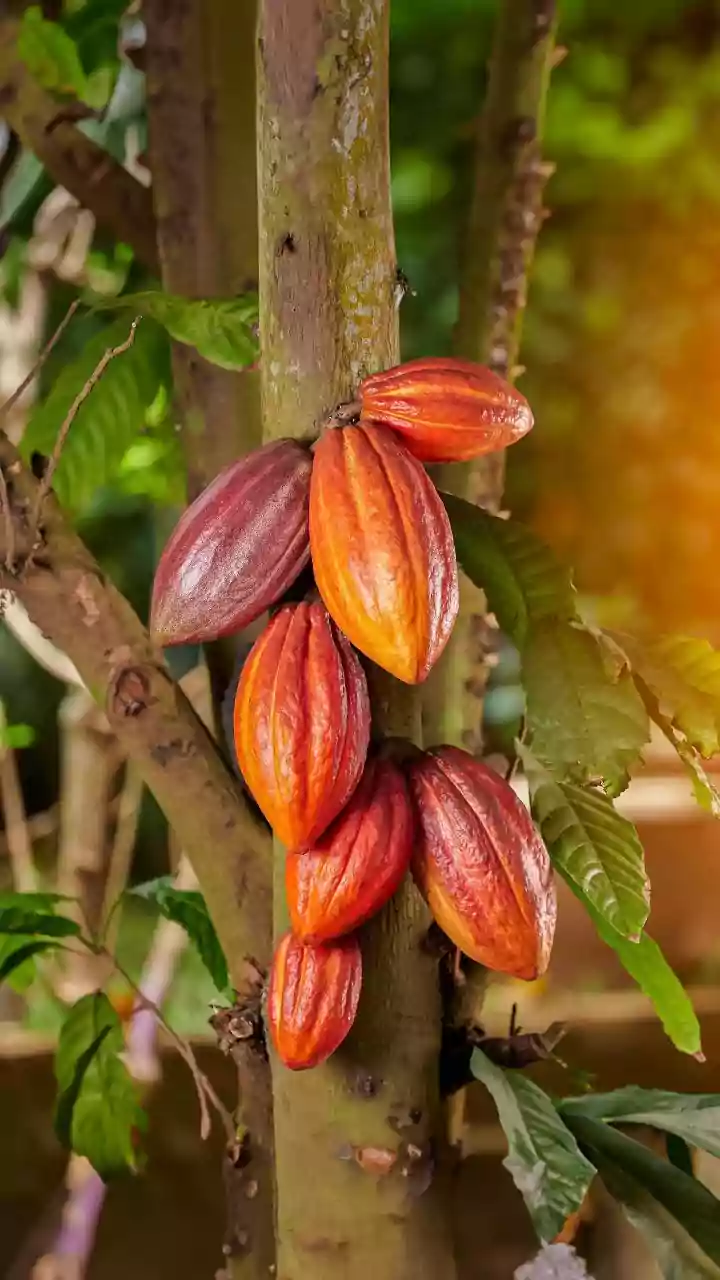
While India isn’t traditionally known as a major cocoa producer on the global stage, its southern states provide a surprisingly perfect environment for the cacao tree to thrive. The warm, humid climates of Kerala, Karnataka, Andhra Pradesh, and Tamil Nadu are ideal for cultivation. Regions like the Idukki Hills in Kerala and the fertile Godavari river delta in Andhra Pradesh are becoming hotspots for high-quality beans. Here, cacao is often grown as an intercrop, nestled among coconut palms, banana trees, and spice plantations. This biodiversity is not just sustainable farming; it also contributes to the unique and complex flavour profiles of the resulting cocoa, which can carry subtle hints of fruit or spice from neighbouring plants.
A Revolution Led by Artisan Makers
The potential of these beans is being unlocked by a growing wave of Indian craft chocolate makers. Brands like Paul & Mike, Mason & Co, Soklet, and Manam Chocolate are leading a movement that prioritises Indian cacao. Many of these artisans work directly with farmers, ensuring they are paid fair prices and fostering sustainable practices. This close relationship allows for greater control over the crucial post-harvest stages of fermentation and drying, which are vital for developing rich, complex flavours. This hands-on approach has transformed the perception of Indian cocoa from a simple commodity to a celebrated ingredient capable of producing world-class chocolate.
From Imported Luxury to Homegrown Pride
This craft movement is directly influencing what we consider a “premium” gift. For years, luxury in the chocolate world meant imported European brands. Today, a growing number of Indian consumers are turning towards homegrown options, driven by a desire for authenticity and a connection to local products. A bar of single-origin Indian chocolate tells a story—about the farm it came from, the community that grew it, and the artisan who crafted it. This narrative adds a layer of value that mass-produced items cannot match. As a result, artisanal chocolate is carving out a significant space in the premium gifting market, sitting alongside traditional presents like mithai and dry fruit hampers as a sophisticated, thoughtful choice.
A New Spectrum of Flavour
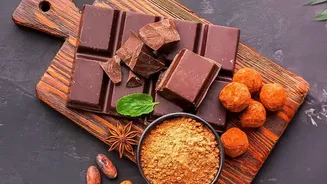
Perhaps the most exciting part for consumers is the taste. Unlike the familiar, often one-note sweetness of industrial chocolate, Indian single-origin bars offer a diverse and surprising tasting experience. Depending on the region, beans can have bright, fruity notes of apricot or red berries, nutty undertones, or even a spicy finish reminiscent of cardamom and pepper. This variety invites consumers to explore chocolate in the same way they might explore fine wine, paying attention to tasting notes, pairings, and origin. For gifters, it offers the chance to give something truly unique and memorable, moving beyond the predictable and into a world of complex, delicious flavours rooted in Indian soil.