

The Sun’s Violent Outbursts
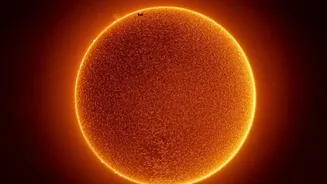
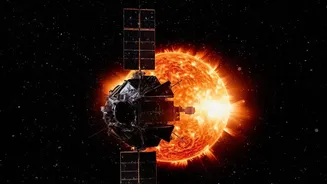
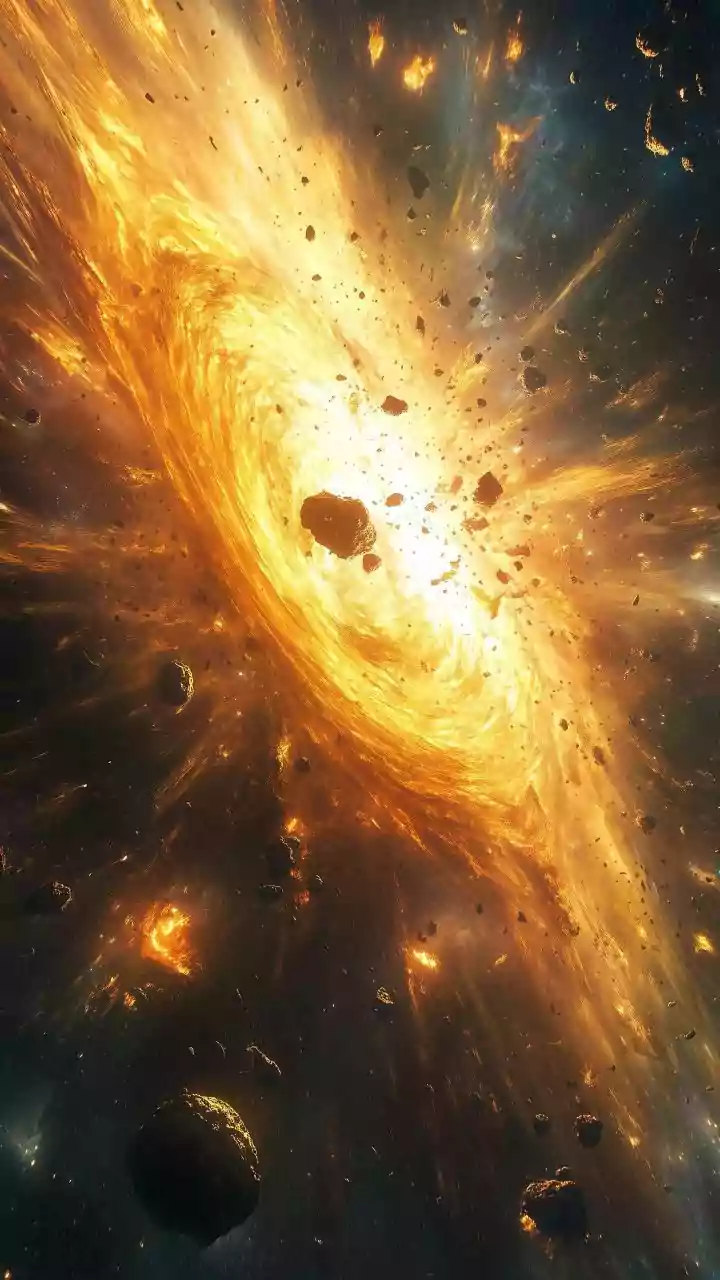
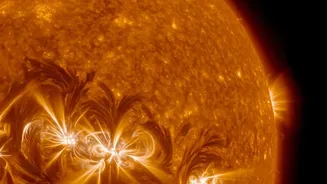
Our Sun, the life-giving star at the center of our solar system, has a tempestuous side. It periodically unleashes colossal explosions of plasma and magnetic fields known as Coronal Mass Ejections (CMEs). These are not small events; a single CME can hurl
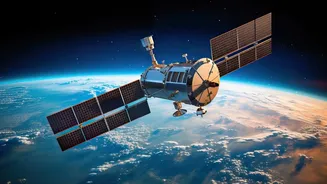
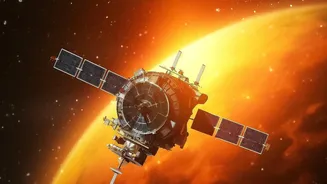
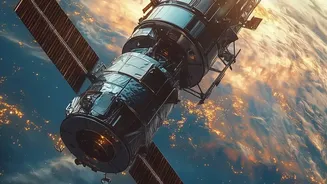
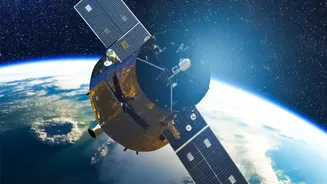
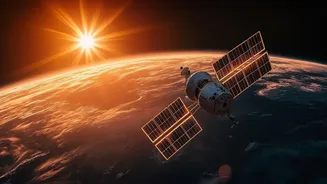
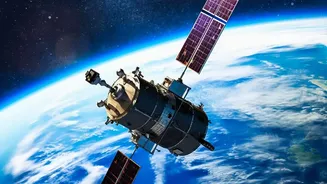
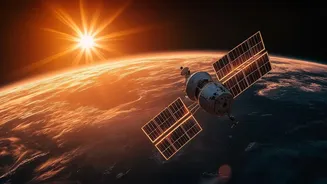
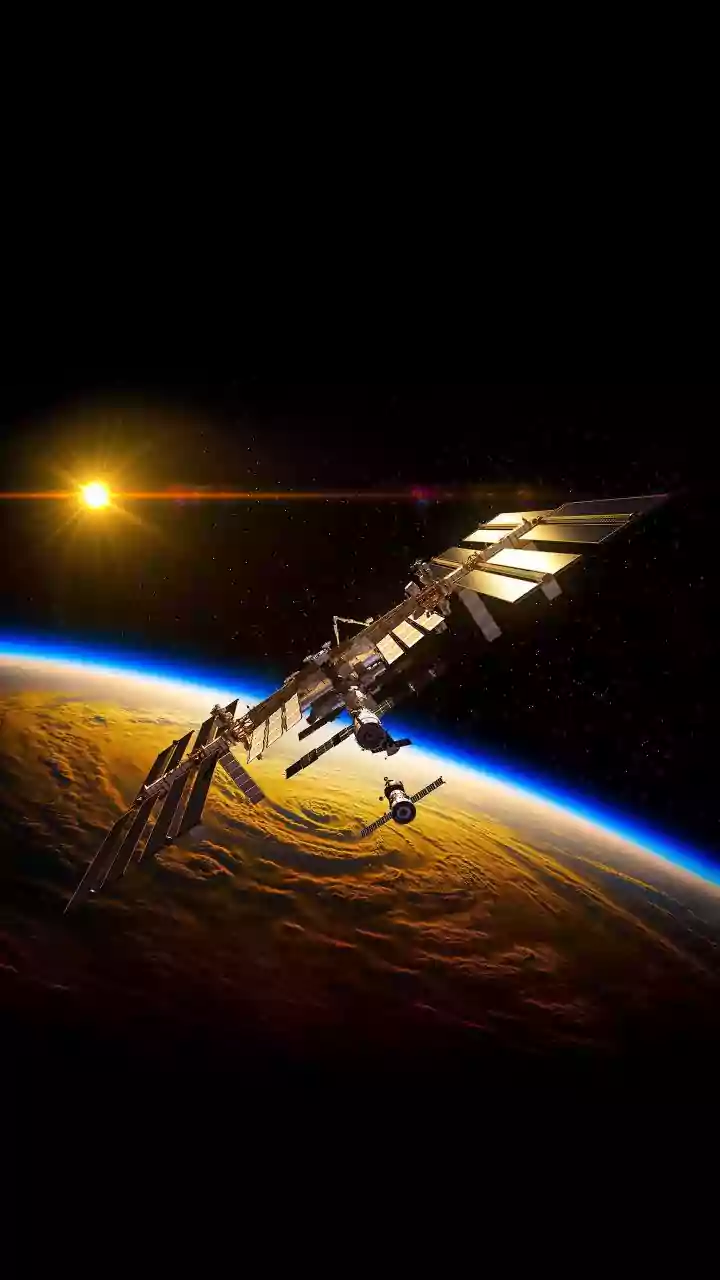
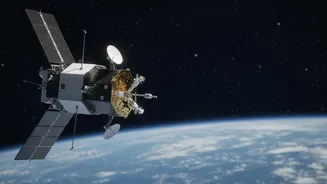
billions of tonnes of solar material into space at incredible speeds. When Earth is in the path of one of these eruptions, the stream of charged particles can cause significant disturbances. While our planet's magnetic field protects us from the worst of it, our technological infrastructure is highly vulnerable. These solar storms can threaten satellites, power grids, and the communication networks that form the backbone of modern life.
Why Solar Storms Disrupt GPS
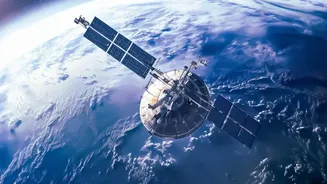
Global Positioning System (GPS) technology works by calculating a receiver's position based on timing signals from multiple orbiting satellites. For this to be accurate, the signal must travel a clear path. When a CME bombards Earth, it supercharges a layer of our upper atmosphere called the ionosphere. This process creates turbulence and irregularities in the ionosphere, which can delay, distort, or even block the radio signals from GPS satellites. This phenomenon, known as ionospheric scintillation, can cause positioning errors ranging from a few meters to a complete loss of signal. For industries like aviation, precision agriculture, shipping, and logistics—all vital to the Indian economy—such disruptions can be costly and dangerous.
Forecasting the Storms with Digital Twins
You can’t stop a solar storm, but you can prepare for one. This is where advanced simulations come in. Scientists and space agencies like NASA and the European Space Agency (ESA) are creating sophisticated computer models of the Sun and the space between it and Earth. These are essentially digital twins of a solar eruption. By feeding real-time data from solar observatories into complex magnetohydrodynamic (MHD) models, researchers can simulate how a CME erupts and travels through space. These simulations help predict the trajectory, speed, and intensity of a storm, forecasting its potential impact on our planet.
From Virtual Prediction to Real-World Protection
A forecast is only useful if it leads to action. The goal of these advanced simulations is to provide timely and accurate warnings—turning days or hours of lead time into concrete protective measures. When a potentially disruptive CME is identified, space weather prediction centers can issue alerts to government agencies and commercial operators. Armed with this knowledge, satellite operators can take preventative steps, such as putting sensitive electronics into a safe mode to avoid damage. For GPS-dependent industries, a warning allows them to switch to backup systems, like inertial measurement units (IMUs), or to anticipate and correct for positioning errors caused by atmospheric disturbances.
The Rise of AI in Space Weather
The next frontier in this field is the integration of Artificial Intelligence. New AI models are being trained on vast archives of solar imagery and data to recognise the subtle precursor signs of a major eruption. Some models are already showing the ability to predict solar flares hours before they happen, a significant improvement on existing methods. By identifying complex patterns that humans might miss, AI can make forecasts faster and more reliable. As India continues to expand its own satellite navigation system, NaviC, and deepen its reliance on digital infrastructure, this predictive capability becomes a crucial element of national resilience.