






Understanding 'Tech Neck'
The term 'tech neck' refers to the stress and pain in the neck, shoulders, and back caused by looking down at screens for prolonged periods. When you sit with your head in a neutral position, it weighs about 10 to 12 pounds. However, tilting your head forward
to look at a device dramatically increases the load on your cervical spine. This forces the muscles in your neck and upper back to work overtime to support your head, leading to fatigue, tightness, stiffness, and chronic pain. Over time, this poor posture can contribute to rounded shoulders, a forward head position, and even headaches. Left unaddressed, it can lead to more significant issues like pinched nerves or degenerative disc disease.
The Sedentary Effect of Screens
Beyond posture, excessive screen time is a primary driver of a sedentary lifestyle. When we're engrossed in work, social media, or entertainment, we're not moving. This prolonged inactivity is linked to a host of health risks, including obesity, type 2 diabetes, and cardiovascular disease. Spending hours sitting slows the body's metabolism, affecting its ability to regulate blood sugar and blood pressure. Reducing screen time naturally frees up more time for physical activity, whether it's structured exercise or simply moving more throughout the day. This shift is crucial for maintaining a healthy weight, strong muscles, and overall physical resilience.
The Power of the Micro-Break
The solution isn't necessarily to abandon technology, but to be more intentional about how we use it. Integrating short, frequent movement breaks—often called 'micro-breaks' or 'exercise snacks'—can counteract the negative effects of sitting. Research shows that moving for just one or two minutes every 20 to 30 minutes can make a significant difference. These small pauses help improve circulation, boost energy, and enhance focus. Far from hurting productivity, these breaks are shown to restore motivation and prevent mental fatigue, making you more efficient when you return to your screen. A simple strategy is the '20-20-20 rule': every 20 minutes, look at something 20 feet away for 20 seconds to reduce eye strain and remind yourself to reposition your body.
Simple Movements for Better Posture
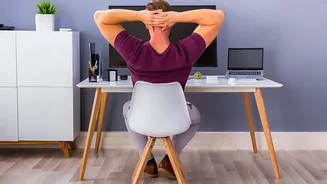
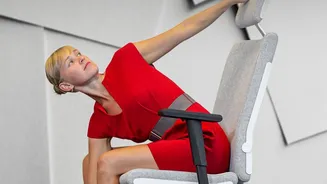
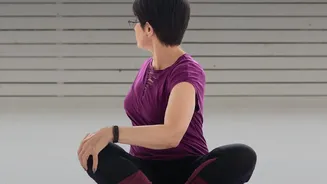
You don't need a gym to reset your posture. Simple exercises done right at your desk or in your living room can provide immediate relief and long-term benefits. One of the most effective is the chin tuck, which strengthens the muscles that support your neck. Gently pull your chin toward your chest as if making a double chin, hold for a few seconds, and repeat. Another great exercise is scapular retraction, where you sit or stand tall and gently squeeze your shoulder blades together to open up your chest and pull your shoulders back into proper alignment. Periodically standing up to stretch, rolling your shoulders, and gently turning your head from side to side can also release tension and prevent stiffness.
Building Healthier Habits
Correcting your posture and increasing movement is about building sustainable habits. Start by making your workspace more ergonomic: raise your monitor to eye level, use a separate keyboard, and ensure your chair provides good lumbar support. When using your phone, make an effort to hold it up closer to your face rather than looking down. Set timers to remind yourself to get up and walk around, even if it's just for a minute or two. These small, consistent actions add up. By consciously stepping away from your screen throughout the day, you not only protect your spine and encourage healthy movement but also improve focus, reduce stress, and boost your overall well-being.