






A Legacy Forged in Celluloid
Mumbai’s connection to cinema is as old as the medium itself in India. The country's first film screening by the Lumière brothers happened here in 1896, and Dadasaheb Phalke, the 'Father of Indian Cinema,' produced India's first full-length feature, 'Raja
Harishchandra,' in the city in 1913. This historical head start created a deep-rooted film culture. Over decades, this culture evolved from silent films and mythological tales to the globally recognized 'Bollywood' brand. Major historical events like the Partition led to an influx of talent from other production centres like Lahore, further cementing Mumbai's position. This long history means the city's identity is inextricably linked with cinema, creating a self-perpetuating cycle of creativity and production.
The Unmatched Production Infrastructure
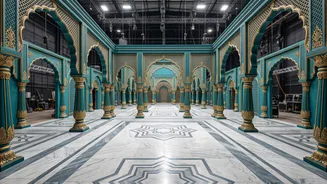
At the core of Mumbai's dominance is its world-class infrastructure. The city is home to the iconic Dadasaheb Phalke Chitranagari, better known as Film City. Spanning over 500 acres, this government-established complex offers everything from sound stages and recording rooms to permanent sets like villages, courtrooms, and temples. Beyond Film City, Mumbai boasts a dense network of private studios like Yash Raj Studios and Mehboob Studio, alongside hundreds of post-production facilities for editing, sound design, and visual effects. This concentration allows a filmmaker to manage the entire production pipeline, from initial shoot to final cut, without ever leaving the city, a logistical advantage few other locations can offer.
A Magnet for Talent and Ambition
Mumbai's reputation as the 'City of Dreams' is a powerful force. For generations, aspiring actors, directors, writers, and technicians from across India have migrated to the city, knowing it is the epicentre of opportunity. This has created an unparalleled talent pool, not just of on-screen stars but of skilled crew members, from cinematographers and editors to stunt artists and set designers. The city’s 50-plus film schools and institutes further nurture this ecosystem, ensuring a steady supply of trained professionals. This critical mass of talent means that production houses can find the right people for any job, a key factor that keeps major projects anchored in Mumbai.
The Financial Powerhouse
Film production is an expensive business, and Mumbai’s status as India's financial capital provides a crucial advantage. The city is the headquarters for India's largest production houses and film financing companies, including giants like Reliance Entertainment and Jio Studios. Historically, the industry relied on informal and high-risk funding, but since gaining formal 'industry status' in 2000, it has attracted structured finance from banks, corporate investors, and international studios. The recent boom in Over-the-Top (OTT) platforms has also seen massive investment from streaming services, with much of this capital flowing through Mumbai-based production hubs. This financial ecosystem makes it easier to raise capital and manage the complex economics of filmmaking.
Facing the Future and Rising Competition
Mumbai's dominance is not without its challenges. The high cost of shooting and living in the city has led some filmmakers to explore more cost-effective locations like Delhi. Furthermore, regional film industries, particularly Telugu and Tamil cinema based in Hyderabad and Chennai respectively, have seen tremendous growth, sometimes surpassing Bollywood in box office revenue and ticket sales. Cities like Hyderabad, with the massive Ramoji Film City, offer scale and integrated tourism that compete directly with Mumbai's offerings. However, Mumbai's industry is adapting, with new studios opening and a continued focus on producing content for a global audience through streaming platforms. Despite these pressures and the struggles faced by behind-the-scenes workers due to market shifts, the city's deeply ingrained infrastructure and talent network have proven resilient.