




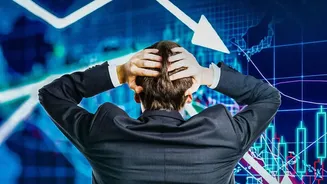

The opening bell in Seoul on Friday, November 6th, signaled not a start, but a stampede. South Korea’s benchmark KOSPI index plunged by nearly nine percent, triggering a 20-minute trading halt and sending shockwaves across Asian markets.
A Contagion from Wall Street
The chaos in Seoul
was a direct consequence of a massive sell-off that had rocked Wall Street a day earlier. The tech-heavy Nasdaq index in the U.S. had its worst day in over a year, tumbling 5.5% on Thursday, November 5th. This wiped out roughly $2.5 trillion in market value, as investor sentiment soured dramatically. The core of the issue lies in the artificial intelligence (AI) boom. For months, markets were euphoric about the potential of AI, pouring trillions into companies that build the essential infrastructure, from data centers to the specialized chips that power them. Now, that euphoria has given way to anxiety. Investors are questioning the colossal costs of this AI buildout and are growing impatient for evidence of sustainable profits.
The AI Spending Scare
The immediate trigger for the panic was the result of the U.S. midterm elections. Democratic victories raised concerns among investors about the potential for tighter regulation on the AI industry, particularly regarding the enormous energy and water consumption of data centers. Campaign promises in key states like Texas, a hub for data center construction, included temporary moratoriums and the removal of tax incentives, spooking a market already on edge. This political shift added to underlying worries about a potential slowdown in AI-related capital expenditure by tech giants like Alphabet, Meta, and Amazon. A weaker sales outlook from smartphone chipmaker Qualcomm also contributed to the negative sentiment, suggesting a broader weakness in semiconductor demand beyond just AI.
Why South Korea Is So Vulnerable
South Korea’s economy is uniquely exposed to the fortunes of the global tech industry. The KOSPI index is heavily weighted with technology companies, and two giants—Samsung Electronics and SK Hynix—are dominant players. Together, they account for a massive portion of the index's total market value. More importantly, they are world-leading suppliers of the high-bandwidth memory (HBM) chips that are critical components for AI accelerators and data centers. When investors in New York start worrying about a slowdown in AI data center construction, it directly impacts the future orders and revenue forecasts for these Korean powerhouses. This explains why the global tech slump hit the KOSPI so disproportionately hard. On Friday, shares of Samsung and SK Hynix plunged, with SK Hynix falling over 10% during the week.
A Canary in the Coal Mine?
The dramatic fall of the KOSPI serves as a stark reminder of the interconnectedness of the modern global economy. A shift in political sentiment in the U.S. can trigger a market crisis halfway across the world in minutes. The selloff wasn't contained to South Korea; markets in Japan and across Europe also saw sharp declines as the tech rout spread. For investors and consumers in India and elsewhere, the event is a warning sign. It highlights the volatility of the tech sector, which has driven much of the global market growth in recent years. While Indian equities largely bucked the negative trend on Friday, the underlying fears about a global tech slowdown and its impact on supply chains and future product availability remain. The market's reaction demonstrates a pivot from unchecked optimism to a much more cautious, 'show me the money' approach to AI investment.
An Uneasy Stability
By Monday, November 9th, some semblance of calm had returned. The KOSPI, after its dramatic fall, saw a volatile session but managed to hold above the 5,000nd mark closing down less than one percent. Shares of Samsung and SK Hynix even posted slight rebounds as some bargain hunters entered the market. However, foreign investors continued to be net sellers, indicating that underlying caution persists. Analysts are now watching closely to see whether the panic was a temporary overreaction or the beginning of a more sustained downturn for the tech sector. The key question remains whether the massive spending on AI infrastructure will translate into any tangible profits that shareholders are now demanding.