





1. Choose Monsoon-Happy Flowers
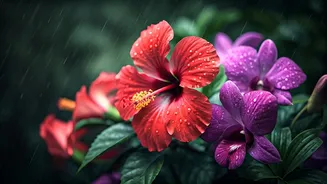
The simplest way to guarantee a garden full of colour during the rains is to choose plants that love the weather. Instead of fighting to protect flowers that prefer dry conditions, embrace species that thrive in high humidity and moist soil. Many of India’s
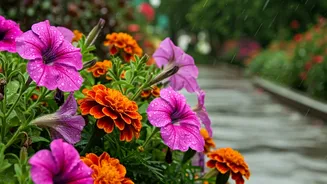
most beloved flowers are perfect for this season. Consider planting Balsam (Gulmehndi), which bursts into bloom with the first showers. Hibiscus, with its large, showy flowers, also performs exceptionally well. Other fantastic choices include Marigolds (Genda), which are hardy and add a splash of bright orange and yellow; Vinca (Sadabahar), known for its resilience; and fragrant varieties like Jasmine (Mogra) and Plumeria (Champa), whose scents are carried beautifully on the damp air. By aligning your planting calendar with the seasons, you work with nature, not against it.
2. Perfect Your Potting Mix
The number one killer of plants during the monsoon is not the rain itself, but what it does to the soil: waterlogging. When soil becomes overly saturated, it cuts off oxygen to the roots, leading to root rot. To prevent this, you need a potting mix that drains freely. A generic garden soil won't do. Create your own ideal mix by combining one part garden soil, one part compost (for nutrients), and one part a coarse material like sand, perlite, or cocopeat. Sand and perlite create air pockets and allow water to pass through quickly, while cocopeat retains just enough moisture without becoming waterlogged. This light, airy mix ensures that even after a heavy downpour, your plant's roots can breathe.
3. Master Your Drainage
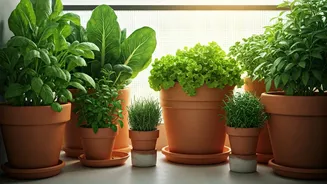
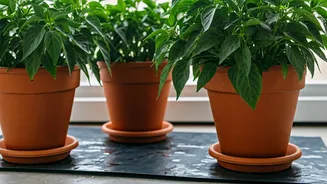
A good potting mix is only half the battle; the water needs somewhere to go. Before planting, ensure every pot has at least one, preferably several, clear drainage holes at the bottom. If the holes seem blocked, use a skewer or screwdriver to clear them. It's also a great practice to place a layer of broken terracotta pot pieces (shards) or small stones at the bottom of the pot before adding soil. This prevents the soil from compacting and blocking the drainage holes. During the monsoon, remove any trays or saucers from underneath your pots. While they are great for catching water indoors, outside they will fill with rainwater and leave your pots sitting in a puddle, defeating the purpose of good drainage.
4. Prune for Health and Airflow
Constant dampness and humidity create the perfect breeding ground for fungal diseases like powdery mildew and black spot. A dense, overgrown plant traps moisture and reduces airflow, making it highly susceptible. This is where strategic pruning comes in. Before the rains set in, trim away any dead or weak branches and thin out overcrowded areas of your plants. This allows air to circulate freely through the foliage, helping leaves dry out faster after a shower. Regular pruning also encourages new growth, which often means more flowers. Don't be afraid to give your plants a good haircut; it's essential for their health during the wet months.
5. Beware of Slugs, Snails, and Fungi
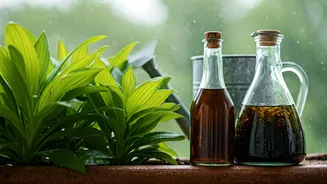
The monsoon is a boom time for garden pests, especially slugs and snails who love the damp conditions. They can chew through leaves and flowers overnight. Regularly inspect your plants, especially in the evening or after rain, and manually remove any you find. You can also create barriers around your pots using crushed eggshells, which deter these soft-bodied invaders. Fungal infections are another major threat. To prevent them, avoid watering your plants from above; water the soil directly. If you spot signs of fungus (white powder or black spots on leaves), remove the affected leaves immediately to prevent it from spreading. A preventive spray of neem oil solution every 10-15 days can also work wonders.
6. Fertilise, But With Caution
Heavy and continuous rain can leach essential nutrients from the soil, leaving your plants hungry and weak. However, this doesn't mean you should apply heavy doses of chemical fertiliser. In wet conditions, strong fertilisers can easily burn the roots. Instead, opt for slow-release organic options. A monthly application of a well-rotted compost, vermicompost, or a balanced liquid organic fertiliser is ideal. These release nutrients slowly and improve soil structure without the risk of burning the roots. This gentle feeding will give your plants the steady energy they need to keep producing beautiful blooms throughout the entire season.