







As temperatures drop, we retreat to the cozy warmth of our homes. But in sealing our houses against the cold, we might be trapping more than just heat. The air inside can become a concentrated soup of pollutants, often far worse than the air outside.
The Great Indoor Seal-Up
When winter arrives, our first instinct is to shut windows and doors to conserve heat. This makes our homes energy-efficient but has an unintended consequence: it drastically reduces ventilation. In milder weather, fresh outdoor air constantly circulates, diluting and carrying away pollutants that build up inside. In winter, however, our homes become sealed environments. Without this natural air exchange, pollutants emitted from everyday activities and household items have nowhere to go, causing their concentrations to rise significantly. According to the EPA, indoor air can be two to five times more polluted than outdoor air, and this disparity often worsens during the cold months.
A Chemical Soup at Home
The pollutants trapped indoors are a complex mix. A major group is Volatile Organic Compounds (VOCs). These are gases released from thousands of common products. Think of the smell of new furniture, fresh paint, or even the scent from cleaning supplies and air fresheners; those are often VOCs. They off-gas from carpets, upholstery, composite wood products, and even personal care items like hairspray and deodorant. Increased use of scented candles and wood-burning fireplaces in winter can also add to the VOC load. Long-term exposure to certain VOCs can cause everything from headaches and dizziness to respiratory irritation and an increased risk for chronic conditions.
The Role of Combustion and Humidity
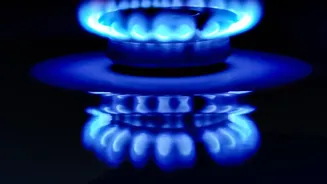
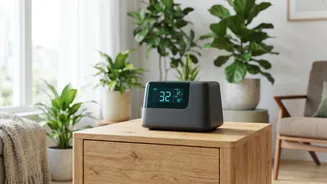
Winter brings an increased reliance on combustion for heating and cooking. Gas stoves, furnaces, and fireplaces can release harmful by-products like carbon monoxide (CO) and nitrogen dioxide (NO2) directly into your living space, especially if they are not properly vented or maintained. Carbon monoxide is particularly dangerous as it is odourless and can cause serious health issues, even at low levels. At the same time, humidity levels can become a problem. While heating systems often make the air feel dry, activities like cooking and showering release moisture. When this warm, moist air hits cold surfaces like windows, condensation forms, creating a perfect breeding ground for mould and mildew, which release allergenic spores into the air. An ideal indoor humidity is between 30% and 50%.
Health Effects of Stale Winter Air
The cumulative effect of breathing this polluted indoor air can be significant. Shortterm effects can mimic a winter cold or allergies, including irritation of the eyes, nose, and throat, headaches, fatigue, and coughing. For individuals with asthma or other respiratory conditions, poor indoor air quality can trigger or worsen symptoms. Over the long term, chronic exposure to indoor pollutants has been linked to more severe health problems, including respiratory diseases, heart disease, and other serious conditions. Children and the elderly are particularly vulnerable to these effects.
Breathe Easier This Winter
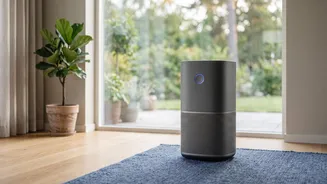
Improving your indoor air doesn't require a complete home overhaul. Small, consistent actions can make a big difference. First, prioritize ventilation. Even opening windows for just five to ten minutes a day can help exchange stale indoor air for fresh outdoor air. Use exhaust fans in the kitchen when cooking and in the bathroom after showering to remove moisture and pollutants at the source. Be mindful of the products you bring into your home; opt for low-'VOC' or 'VOC'-free paints and cleaning supplies where possible. Regularly changing the air filter in your furnace or HVAC system can help trap dust, dander, and other particles. Finally,' ensure that fuel-'burning' appliances are professionally serviced annually and that you have a working carbon monoxide detector.