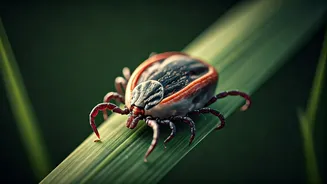






Why Ticks Are a Serious Threat
It's easy to dismiss a tick as a disgusting but minor nuisance. However, these small arachnids are vectors for a host of serious illnesses that can severely impact your pet's health. In India, ticks are notorious for transmitting diseases like babesiosis
and ehrlichiosis, collectively known as 'tick fever'. These conditions can cause a range of severe symptoms, including high fever, anaemia, lethargy, joint pain, and even organ failure if left untreated. An infestation can also lead to skin infections, allergic reactions, and significant blood loss, particularly in puppies and smaller breeds. Understanding this risk is the first step in shifting from casual concern to proactive protection.
Prevention: Your Best Defence
The most effective strategy against ticks is preventing them from latching onto your pet in the first place. Fortunately, the market offers a range of veterinarian-approved options. Spot-on treatments are popular liquid medications applied to the skin, typically between the shoulder blades, that kill and repel ticks for about a month. Medicated collars release active ingredients over several months, offering long-term protection. For pets who can take them, oral chewable tablets are a convenient, non-messy option that works systemically. It is crucial to consult your veterinarian before starting any preventative. They can recommend the safest and most effective product based on your dog's age, breed, weight, health status, and lifestyle.
Make Your Home a No-Tick Zone
Your pet isn't the only one who needs protection; your home environment plays a huge role in tick control. Ticks thrive in tall grass, leaf litter, and shady, moist areas. Keep your lawn mowed short and trim any overgrown bushes. If your pet has a designated outdoor area or kennel, ensure it is cleaned regularly. Inside the house, ticks can hide in cracks, under furniture, along baseboards, and in curtains. Regular vacuuming, especially in areas where your pet sleeps and rests, can help remove any ticks that have hitched a ride indoors. Washing your pet’s bedding in hot water weekly is another simple yet highly effective habit to adopt.
The Daily Tick-Check Ritual
Even with the best preventative measures, a stray tick can still find its way onto your furry friend. Make a daily tick check part of your routine, especially after walks or time spent outdoors. Turn it into a bonding experience with lots of praise and petting. Run your hands slowly over your pet's entire body, feeling for any small bumps. Pay special attention to their favourite hiding spots: inside and around the ears, between the toes, under the legs (in the 'armpits'), around the neck (especially under the collar), and near the tail and groin area. Part the fur to get a good look at the skin. An attached tick can range in size from a pinhead to a raisin when engorged.
How to Safely Remove a Tick
If you find a tick, it's important to remove it promptly and correctly. Do not use folk remedies like burning the tick, applying petroleum jelly, or dousing it in nail polish, as these methods can cause the tick to regurgitate harmful bacteria into your pet's bloodstream. Instead, use a pair of fine-tipped tweezers or a special tick-removal tool. Grasp the tick as close to the skin's surface as possible. Pull upward with steady, even pressure. Avoid twisting or jerking, which can cause the mouth-parts to break off and remain in the skin. After removing the tick, clean the bite area and your hands with rubbing alcohol or soap and water. Dispose of the live tick by putting it in alcohol or flushing it down the toilet.
Watch for Warning Signs
After removing a tick, monitor your pet closely for the next few weeks for any signs of illness. Symptoms of tick-borne disease can be subtle and may not appear immediately. Be on the lookout for unusual tiredness or lethargy, a loss of appetite, fever, reluctance to move, swollen joints or lameness, and pale gums. If you notice any of these signs, contact your veterinarian immediately. Early diagnosis and treatment are critical for a successful recovery from tick fever. Always inform your vet about the tick bite, even if your pet seems fine.