




The Science Behind the Hack
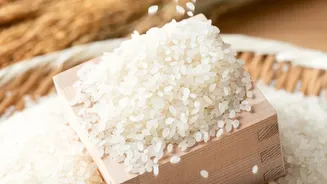
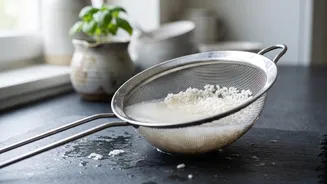
The practice of using rice water in gardens has been around for generations, particularly in Asian cultures. The science behind it is straightforward. When you rinse or boil rice, water-soluble nutrients leach from the grains into the water. This liquid
contains starches, which are carbohydrates that feed beneficial microbes in the soil. These microbes, in turn, help break down organic matter and make nutrients more available to plant roots. The water also contains small amounts of nitrogen, phosphorus, and potassium (NPK)—the primary nutrients for plant growth—as well as other minerals like magnesium and zinc.
Why Leafy Greens Love It
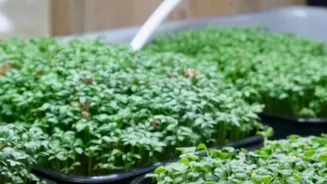
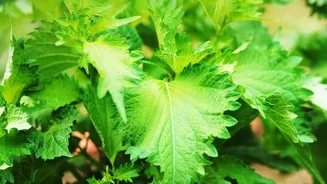
Container-grown leafy greens like spinach, lettuce, kale, and various herbs are particularly good candidates for rice water treatments. These plants are prized for their foliage, and their growth is heavily dependent on nitrogen, which supports the development of lush, green leaves. The nitrogen found in rice water, although mild, provides a consistent, gentle feed that encourages exactly this kind of growth. Studies have shown that rice water, especially when fermented, can significantly boost plant growth and nutrient uptake, making it an excellent supplement for your potted vegetables.
How to Prepare and Use Rice Water
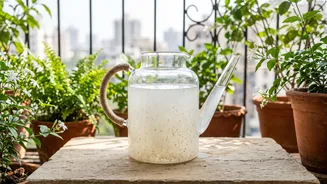
There are three main types of rice water you can use: rinse water, soaked water, and fermented water. The simplest method is to collect the cloudy water from the first rinse of uncooked rice. This can be used directly on your plants. For a slightly more nutrient-rich version, you can soak uncooked rice in water for about 30 to 45 minutes before straining. For the most potent concoction, you can ferment the rinse water. To do this, collect the rinse water in a jar, cover it loosely, and let it sit at room temperature for two to five days until it develops a slightly sour smell. This process increases the concentration of nutrients and beneficial bacteria.
Application: Best Practices
How you apply rice water is as important as how you make it. Always use water from rinsing unsalted rice, as salt can damage plant roots. If you are using fermented rice water, it is crucial to dilute it. A ratio of one part fermented water to five or even ten parts fresh water is a safe starting point. Fresh rinse water is generally mild enough to be used without dilution. Apply the rice water directly to the soil rather than spraying it on the leaves to avoid a sticky residue. A good rule of thumb is to use it about once a week or every two weeks in place of a regular watering during the growing season. Water until the soil is moist, but do not let the pot sit in a saucer full of runoff.
Potential Pitfalls and What to Avoid
While beneficial, rice water is not a cure-all and can cause problems if used improperly. The biggest risk is overdoing it. The starch in the water can build up on the soil surface, creating a crust that may block oxygen or attract pests like ants and fungus gnats. In humid conditions, this starchy layer can also encourage the growth of mold or harmful bacteria. It is important to remember that rice water is a mild supplement, not a replacement for a balanced fertilizer, especially for heavy-feeding plants. Start by testing the rice water on one or two plants and observe how they respond before making it a regular part of your gardening routine.