
Your Backpack: The First Line of Defence
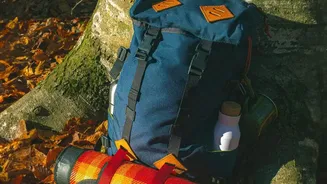
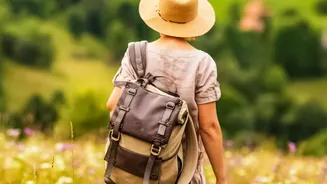
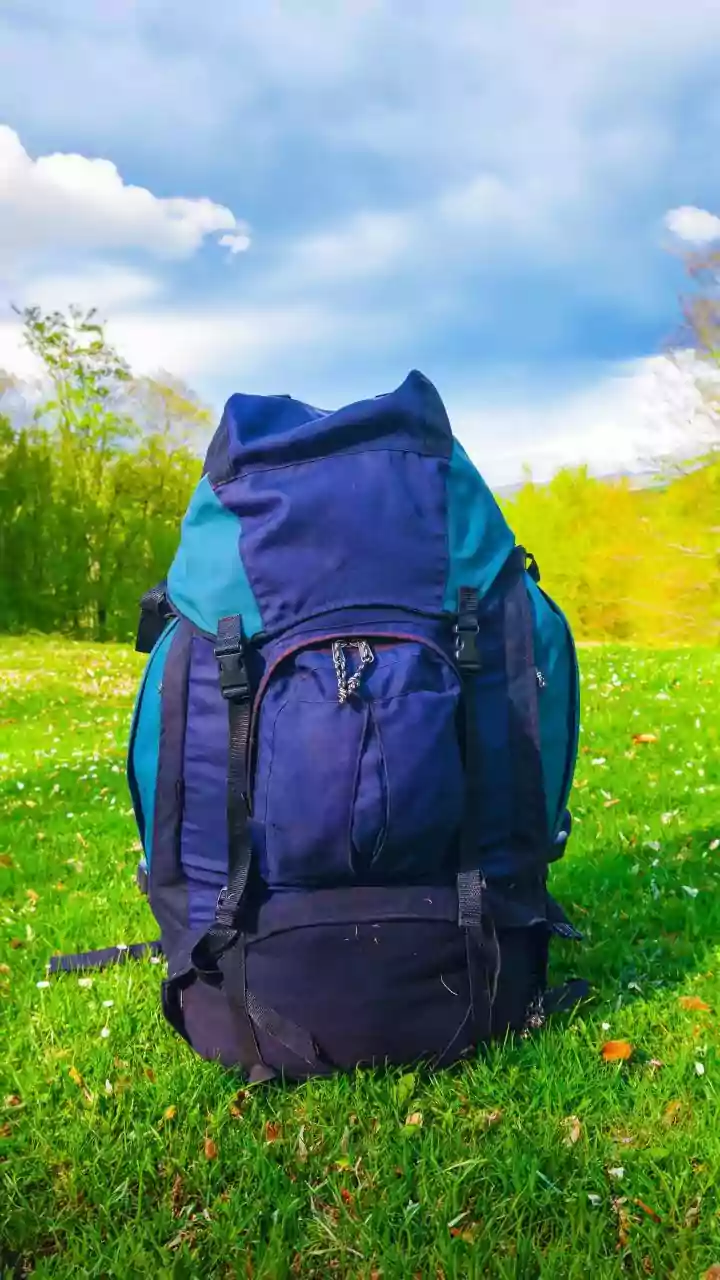
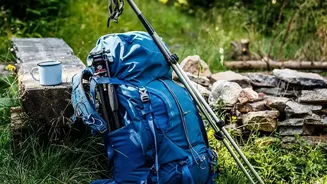
Your entire strategy begins and ends with your backpack. Most backpacks are water-resistant, not waterproof. Seams and zippers are weak points where water will inevitably seep in during a sustained downpour. The solution is a two-pronged defence: an external
rain cover and internal waterproofing. A brightly coloured rain cover is essential for visibility and protecting the exterior. Inside, line the main compartment with a large, heavy-duty plastic bag or a dedicated pack liner before you start packing. Then, compartmentalise everything. Use smaller dry bags or reliable zip-lock bags for clothes, electronics, and food. This layered system ensures that even if your main pack gets damp, your essential gear remains bone dry.
Clothing: Ditch the Cotton, Embrace Synthetics
This is the golden rule of monsoon trekking: absolutely no cotton or denim. Cotton absorbs moisture, takes forever to dry, and will leave you cold, damp, and prone to chafing. Instead, your entire wardrobe should consist of quick-drying synthetic fabrics like polyester and nylon, or the natural wonder of merino wool. Pack two to three lightweight, full-sleeved synthetic T-shirts and one pair of quick-dry trekking pants. Convertible pants that turn into shorts can be useful, but full-length is better for protection against insects and leeches. A lightweight fleece jacket is crucial for evenings or higher altitudes where it can get surprisingly cold, even in the monsoon.
Rainwear: The Poncho vs. Jacket Debate
Your outermost layer is your shield. You have two main choices: a rain jacket and pants combo, or a poncho. A good quality rain jacket (look for a waterproof rating of 10,000mm or higher) with matching pants offers better freedom of movement for technical treks. A poncho, however, is often recommended for its simplicity and ability to cover both you and your backpack, offering excellent ventilation. For many trekkers in places like the Western Ghats, a poncho is a practical choice. Some experienced trekkers also carry a small, sturdy umbrella, which is surprisingly useful during breaks or on less demanding trails.
Footwear: Grip, Drainage, and Leech Protection
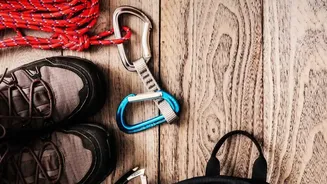
Your feet will get wet. The goal is to manage this, not prevent it entirely. While waterproof boots sound like a good idea, once water gets in over the top, they become buckets that never dry out. Many seasoned trekkers prefer non-waterproof trekking shoes with excellent grip that drain water quickly. Pair these with waterproof socks to keep your feet dry. Alternatively, sturdy rubber sandals with ankle straps (not flip-flops) are great for navigating wet paths and stream crossings. In leech-prone areas, like many monsoon trails in the Western Ghats, leech-proof socks are a non-negotiable item that you wear over your trousers. Always pack a spare pair of lightweight sandals or clogs for your campsite.
Essential Gear and Health Items
Beyond clothing, a few key items will make your monsoon adventure safer and more comfortable. A waterproof headlamp is crucial, as visibility can drop suddenly. Pack a basic first-aid kit with antiseptic wipes, bandages, pain relievers, and any personal medications. Include insect repellent, especially one with DEET for protection against mosquitoes. A small, quick-drying towel is far more practical than a bulky cotton one. To protect electronics, double-bag them in zip-lock pouches within your main dry bag. Finally, a power bank is essential for keeping your devices charged in remote areas.