







Beyond Takeaway Menus
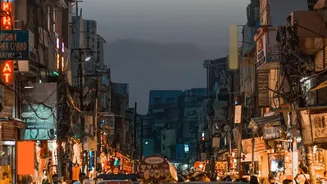
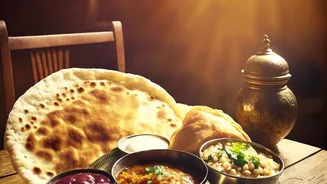
When we talk about 'culinary excursions', we're not just talking about trying a new restaurant. This growing trend involves a more deliberate and immersive dive into a city’s food scene. Think of curated food walks through the historic bylanes of Old
Delhi, learning to cook regional specialities from a home chef in Mumbai, or exploring the vibrant chaos of a local market in Chennai. These experiences are designed to go beyond the plate, offering a narrative about a community’s history, traditions, and way of life. For many young professionals, who spend their days navigating globalised corporate cultures, these excursions provide a tangible link to the local and the specific. It’s a chance to slow down and engage all the senses, something often lost in the rush of modern urban living.
A Hunger for Authenticity
One of the driving forces behind this trend is a deep-seated desire for authenticity. Today's young urbanites are often wary of generic, mass-produced experiences. They are seeking out stories and connections that feel real. A culinary tour provides exactly that. Every dish has a history, whether it’s the story of migration embedded in a Kolkata roll or the generations of family tradition behind a specific spice blend in a Hyderabadi biryani. Learning about these origins turns a simple meal into a masterclass in culture. This quest is about understanding the 'why' behind the food: why certain ingredients are used, how a dish reflects the local geography and climate, and what role it plays in community celebrations.
The Social Ingredient
Perhaps the most powerful aspect of these excursions is their ability to foster human connection. Sharing a meal has always been a universal gesture of friendship, a way to bridge cultural divides. On a food tour or in a home-based cooking class, participants are not just passive consumers; they are engaging in a conversation. They connect with local vendors, small business owners, and home cooks who act as cultural ambassadors. These interactions break down barriers and create a sense of shared experience, turning strangers into fellow diners. In a world where social interaction is increasingly moving online, the simple act of breaking bread together provides a much-needed dose of real-world community. Studies have even linked community-based cooking and eating to improved socialisation and overall well-being.
More Than Just a Meal
The benefits of these culinary journeys extend beyond personal enrichment. By seeking out neighbourhood eateries and home chefs, young urbanites are helping to support small, local economies. This conscious spending directs money away from large, impersonal chains and into the hands of families and independent artisans who are the custodians of a city’s culinary heritage. Furthermore, this trend helps preserve and celebrate food traditions that might otherwise be lost. When a new generation shows interest in heirloom recipes and traditional cooking methods, it creates a renewed sense of pride and ensures that this cultural knowledge is passed down. It’s a sustainable form of tourism that enriches both the visitor and the host community.