






Essential Pre-Trip Vehicle Checks
Before you even think about turning the key, a thorough vehicle inspection is non-negotiable. Start with the most critical components for monsoon driving. First, your tyres are your only contact with the road; ensure they have adequate tread depth to
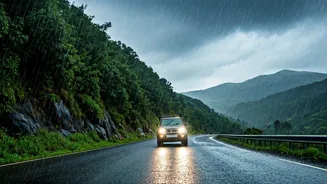
grip slippery surfaces and disperse water. Check the tyre pressure, including the spare. Next, inspect your brakes. Wet conditions increase stopping distances, so your brake pads and fluid must be in optimal condition. Finally, test all your lights—headlights, taillights, indicators, and especially fog lamps. Poor visibility is a given in heavy rain and fog, and your lights are crucial for both seeing and being seen.
Wipers, Fluids, and a Clear View
Your visibility is your primary defense. Ensure your windscreen wipers are not cracked or stiff; they should clear water without leaving streaks. Top up your windshield washer fluid, adding a bit of soap or a dedicated cleaning solution to cut through road grime. An anti-fog spray for the inside of your windscreen can also be a lifesaver. Beyond the glass, check all your vehicle's fluid levels: engine oil, coolant, and brake fluid. A breakdown is dangerous on any road, but it’s a potential disaster on a remote ghat section during a downpour.
The On-the-Road Driving Strategy
Driving on ghat roads during a red alert requires a complete shift in mindset. First and foremost, slow down. Your reaction time is lower on wet, winding roads, and you need to be prepared for anything from a sudden pothole to a minor landslide. Maintain a much larger following distance than you would on a dry highway. When navigating steep inclines or descents, use lower gears. This helps maintain control and reduces strain on your brakes, preventing them from overheating. A fundamental rule of ghat driving is to give way to traffic heading uphill, as they have the right of way.
Navigating Specific Monsoon Hazards
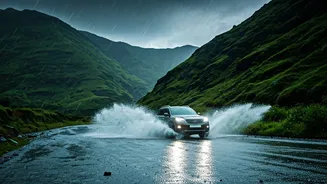
Monsoon brings unique challenges. Be extremely cautious around blind curves; honk to announce your presence. If you encounter a waterlogged section, be wary. Never drive through flowing water if you cannot gauge its depth. If you must cross a shallow, stagnant puddle, keep the car in a low gear and maintain high revs to prevent water from entering the exhaust pipe. Be vigilant for signs of landslides, like falling rocks or mud on the road, and be prepared to turn back. Roads can be slick, and fog can reduce visibility to near zero in seconds. If conditions become too severe, the safest option is to pull over in a safe, stable spot and wait for the weather to improve.
The Emergency Kit You Must Carry
Your preparation isn't complete without an emergency kit. This should include a well-stocked first-aid box with basics like bandages, antiseptic, and pain relievers. Pack a powerful torch with extra batteries, a portable tyre inflator, and basic tools. Given the conditions, also include a reflective vest and warning triangles. Keep high-energy snacks like dry fruits and biscuits, along with plenty of drinking water. A power bank for your phone is essential, as you'll want to stay updated on weather alerts and be able to call for help. Having physical copies of your documents and a small amount of cash is also a wise precaution.