




Why Tbilisi? The Value Proposition
Before we dive into the city’s treasures, let’s talk value. The appeal of Tbilisi isn't just that it’s ‘cheaper’—it’s that the quality of your experience far exceeds the cost. A lavish dinner for two in Tbilisi, complete with incredible local wine, might
cost you the same as a couple of takeaway coffees and pastries in a major Western European capital. Your travel budget stretches further here, allowing for more experiences, better accommodation, and less financial stress. But beyond the economics, Tbilisi offers something increasingly rare: a sense of discovery. It’s a city at a crossroads of cultures, where Persian, Ottoman, Soviet, and modern European influences collide in its architecture, food, and spirit. It’s a destination that feels both ancient and exhilaratingly new, offering a depth of culture that rewards the curious traveller.
Cultural Trail 1: The Ancient Heart
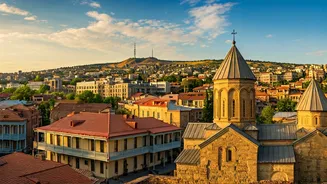
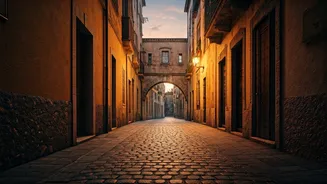
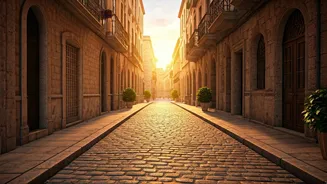
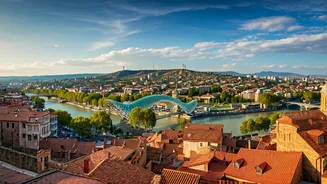
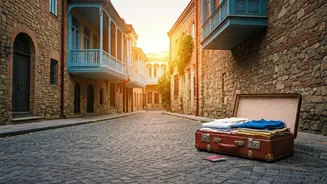
Start your journey in the cobblestoned labyrinth of the Old Town (Dzveli Tbilisi). This is the city’s historic core, a charming tangle of narrow streets, carved wooden balconies, and old churches. From here, take the cable car up to the Narikala Fortress. Perched on a steep hill, these 4th-century ruins offer panoramic views of the entire city, the Mtkvari River snaking below, and the blend of old and new architecture. As you descend, head to the Abanotubani district, famous for its domed brick sulphur bathhouses. According to legend, the city itself was founded because of these hot springs. Participating in a traditional scrub at one of these historic baths isn't just a spa treatment; it’s a direct, steamy connection to centuries of local tradition and a perfect way to recover from a day of walking.
Cultural Trail 2: The Modern & Bohemian Pulse
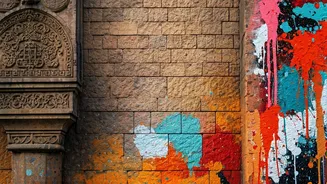
Tbilisi is not a city stuck in the past. To feel its modern heartbeat, cross the futuristic glass-and-steel Bridge of Peace, a stunning piece of modern architecture that stands in stark contrast to the historic skyline. From there, explore the area around Marjanishvili, especially the repurposed Soviet-era sewing factory now known as Fabrika. This sprawling complex is a hub for Tbilisi’s creative class, housing artist studios, a massive co-working space, concept stores, and one of the city’s most popular hostels. The courtyard buzzes with energy, filled with a diverse collection of bars and cafes where locals and travellers mingle. For a different kind of treasure hunting, spend a morning at the Dry Bridge Market, a sprawling open-air flea market where you can find everything from Soviet memorabilia and antique jewellery to handmade crafts and vintage carpets. It's a living museum of the country's recent past.
Cultural Trail 3: The Unforgettable Culinary Path
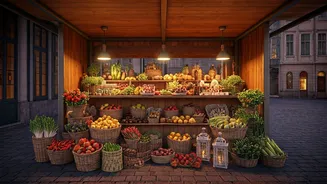
To understand Georgia, you must eat and drink. Georgian cuisine is one of the world's most underrated, and Tbilisi is the best place to explore it. Your culinary trail must begin with *khachapuri*, the famous cheese-filled bread, particularly the Ajarulian version, a boat-shaped dough filled with molten cheese and topped with a raw egg and butter. Then, master the art of eating *khinkali*, large, soupy dumplings filled with meat or mushrooms. But the true soul of Georgian culture lies in its wine. Georgia is widely considered the birthplace of wine, with an 8,000-year-old tradition of winemaking in large, buried clay vessels called *qvevri*. This ancient method is a UNESCO-protected tradition. Visit a wine bar in the Old Town to sample unique, amber-coloured wines made from indigenous grape varieties you won't find anywhere else. A Georgian meal, or *supra*, is a feast meant for sharing, conversation, and endless toasts—a cultural experience in itself.