




Tyres: Your First Line of Defence
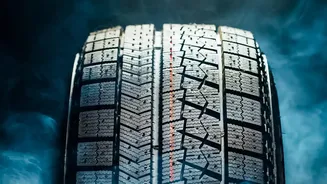
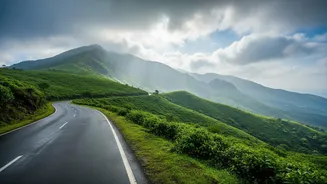
Your tyres are the only part of your car in contact with the slick, unpredictable tarmac of a ghat road in the rain. Good grip is everything. Before you leave, check the tread depth; for monsoons, a depth of at least 3mm is highly recommended for effectively
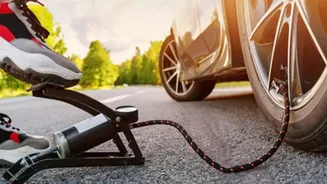
channelling water and preventing skidding. Use the simple one-rupee coin test to get a rough idea. Also, ensure your tyre pressure is at the manufacturer's recommended level, as both under-inflated and over-inflated tyres can reduce grip. Don't forget the spare tyre; check its pressure and condition, as discovering a flat spare during a downpour is a nightmare scenario.
Brakes: The Unsung Hero of Ghat Driving
Driving downhill on steep ghat sections puts immense strain on your brakes. Wet roads significantly increase your stopping distance, making brake performance critical. If you've noticed any squealing, grinding noises, or a spongy feeling in the brake pedal, get your brakes inspected by a professional immediately. Brake fluid is hygroscopic, meaning it absorbs moisture from the air. Over time, this contamination lowers its boiling point, leading to reduced braking efficiency, especially with the frequent use required on winding roads. If your brake fluid hasn't been replaced in the last two years, now is the time to do it.
Wipers and Windshield: Your Window to the World
Visibility can drop to near zero in a heavy monsoon shower. Your wiper blades are your most important tool for a clear view. Summer heat degrades the rubber, causing wipers to streak, squeal, or skip across the glass. If they aren't clearing the windscreen effectively in one swipe, replace them. It's an inexpensive fix that makes a world of difference. Also, top up your windshield washer fluid reservoir with a proper cleaning solution, not just water, to help clear oily grime kicked up from the road. Check your windshield for any small cracks or chips, as temperature changes can cause them to expand.
Lights and Electricals: See and Be Seen
In the fog and heavy rain typical of ghats, your car’s lights are crucial for both seeing the road ahead and being seen by other drivers. Do a walk-around check of all your lights: headlights (both low and high beam), tail lights, brake lights, and indicators. Ask a friend to help you check the brake lights. Foggy or yellowed headlight lenses can reduce light output by over 50%; consider using a restoration kit to clean them. Also, have your battery checked. The increased use of wipers, lights, and the defogger puts extra strain on the battery, and a failure in a remote area can leave you stranded.
Engine and Fluids: The Heart of the Matter
Climbing steep inclines puts a heavy load on your engine. Ensure your engine oil and coolant levels are optimal. Old oil or low coolant can lead to overheating, a common issue on long ghat drives. A visual inspection of hoses for any cracks or soft spots is also a good idea. While you're under the bonnet, check other essential fluids like brake fluid and power steering fluid. A car that runs smoothly and stays cool is a reliable companion on a challenging journey.
The Essential Emergency Kit
Mobile network can be patchy in the ghats, and help may be hours away. A well-stocked emergency kit is your best backup. Essentials include a properly inflated spare tyre with the necessary tools (jack, wheel wrench), a tyre inflator kit, and jumper cables. Also pack a powerful flashlight with extra batteries, a first-aid kit, a tow rope, and some non-perishable food and water. A reflective warning triangle is vital to alert other vehicles if you have to stop on a narrow road. These simple items can turn a potential crisis into a manageable inconvenience.