


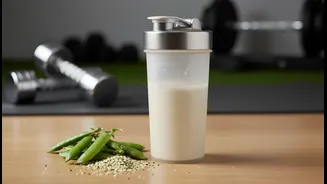




The Search for High-Protein Alternatives
In recent years, a significant shift has occurred in consumer preferences, with a growing emphasis on protein-rich diets. This isn't just for bodybuilders; everyday consumers are seeking out high-protein foods for their benefits in satiety, muscle maintenance,
and overall wellness. The plant-based milk sector, which has seen explosive growth in India, is now entering a new phase. While early growth was driven by consumers avoiding lactose or seeking dairy-free options, the focus is now sharply turning towards nutritional content, and protein is king. This is where older favourites like almond and rice milk, which are notoriously low in protein, are beginning to lose ground to more robust alternatives.
Meet Pea Milk: The Powerful, Creamy Contender
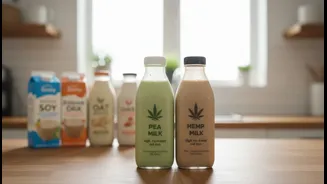
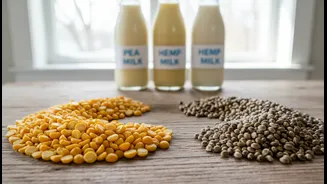
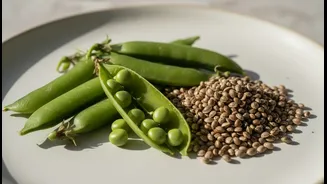
When you hear 'pea milk', you might picture a green, vegetable-like liquid, but the reality is quite different. Made from yellow split peas, pea milk has a surprisingly neutral taste and a creamy texture that many compare favorably to cow's milk. Its main claim to fame is its protein content. A single cup of unsweetened pea milk packs around 8 grams of protein, a figure comparable to both dairy milk and soy milk. This makes it a nutritional heavyweight in the plant-based world. Furthermore, it is a fantastic option for those with common allergies, as it is naturally free from nuts, soy, gluten, and lactose. Brands often fortify it with essential nutrients like calcium, vitamin D, and iron, making it a well-rounded choice.
Hemp Milk: The Nutrient-Dense Underdog
Made by blending water with seeds from the hemp plant, hemp milk is another powerful contender, though for slightly different reasons. And to be clear, these are the same plants used for textiles and food, not the variety known for its psychoactive properties. While its protein count is lower than pea milk's, typically around 3-4 grams per cup, it offers something unique: it's a source of complete protein, containing all essential amino acids. Its biggest advantage lies in its healthy fat profile. Hemp milk is rich in both omega-3 and omega-6 essential fatty acids, which are celebrated for their roles in promoting heart health, brain function, and reducing inflammation. Like pea milk, it's a safe bet for those with nut and soy allergies.
A Nutritional Snapshot: How They Compare
To understand their rise, it helps to see how they stack up against the competition. Unsweetened pea milk provides about 8 grams of protein for around 70-80 calories. Hemp milk offers about 3-4 grams of protein and around 60-80 calories, but with the added benefit of omega fatty acids. Compare this to traditional favourites. Unsweetened almond milk usually contains only 1 gram of protein per cup. Oat milk, while creamy, is often higher in carbohydrates and provides only about 1-2 grams of protein. Soy milk remains a strong competitor with about 7 grams of protein, but pea milk appeals to the growing number of consumers who avoid soy. Cow's milk, the traditional benchmark, also contains around 8 grams of protein but with more calories.
The Sustainability Factor
The appeal of pea and hemp milk isn't just about personal health; it's also about the health of the planet. Pea cultivation is highly sustainable. Peas are legumes that fix nitrogen in the soil, which reduces the need for artificial fertilizers. They also generally require less water than many other crops, particularly almonds. Hemp is another environmental champion. It's a resilient plant that grows quickly, requires few pesticides, and its deep roots can improve soil health. Almost every part of the hemp plant can be used, minimizing waste. For the eco-conscious Indian consumer, these factors add a powerful ethical dimension to their dietary choices.
Taste, Texture, and a Place in the Indian Kitchen
Of course, nutrition and sustainability mean little if the product isn't enjoyable. Pea milk's creamy consistency and neutral flavour make it incredibly versatile. It performs well in coffee and tea, resisting the curdling that can plague other plant milks. It can be used seamlessly in smoothies, cereals, and baking. Hemp milk has a slightly nuttier, earthier flavour, which some people love in their coffee or blended into smoothies. As the availability of these milks grows across Indian metro cities and online platforms, they are finding their way into modern kitchens, offering a protein boost to everything from morning chai to post-workout shakes.