



The New Work-From-Anywhere Reality
The remote work revolution, accelerated by the pandemic, has fundamentally reshaped professional life in India. What began as a temporary measure has evolved into a permanent lifestyle choice for many. While much of the initial focus was on employees
in major metros, a significant trend is now emerging from Tier 2 cities like Mysore, Mangalore, Coimbatore, and Pune. Armed with location flexibility, professionals in fields like IT, design, writing, and consulting are seeking environments that offer more than just a Wi-Fi connection. They are looking for a better quality of life, and finding it among the misty hills of Kodagu, better known as Coorg. This shift marks a deeper change from mere remote work to a true work-from-anywhere culture, where productivity is measured by output, not proximity to a city office.
The Allure of an Off-Season Coorg
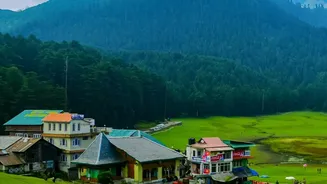
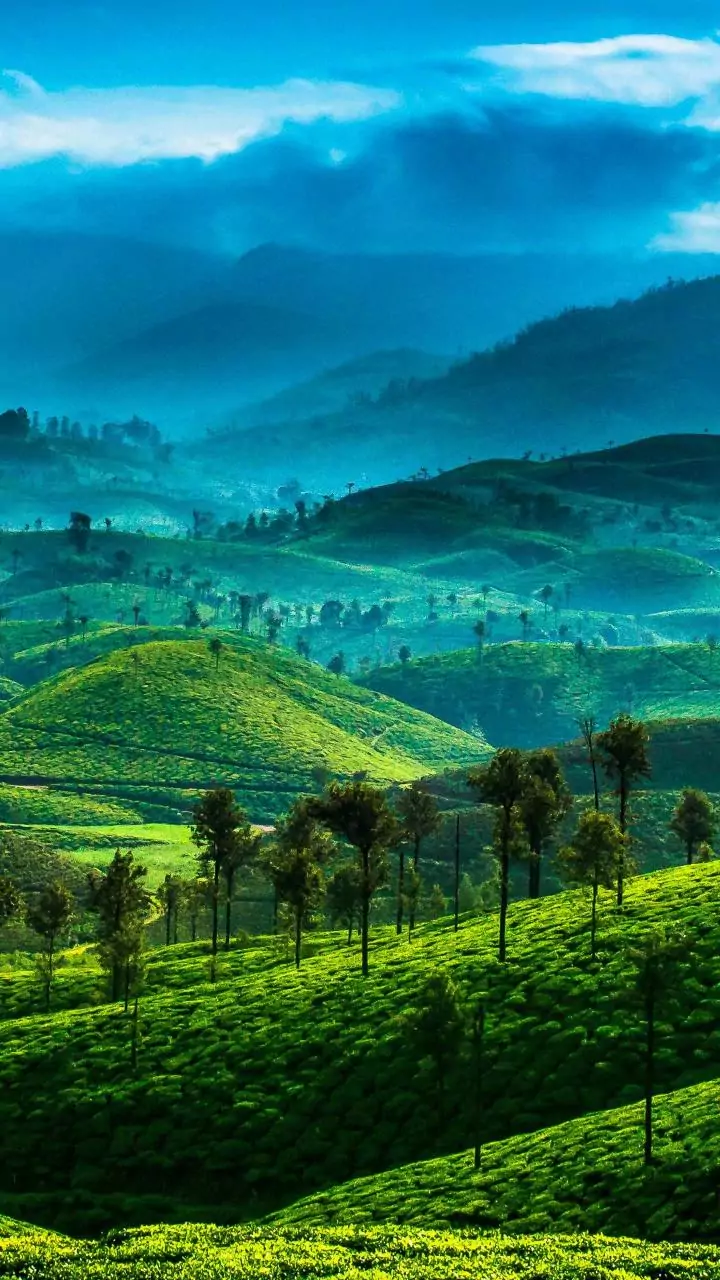
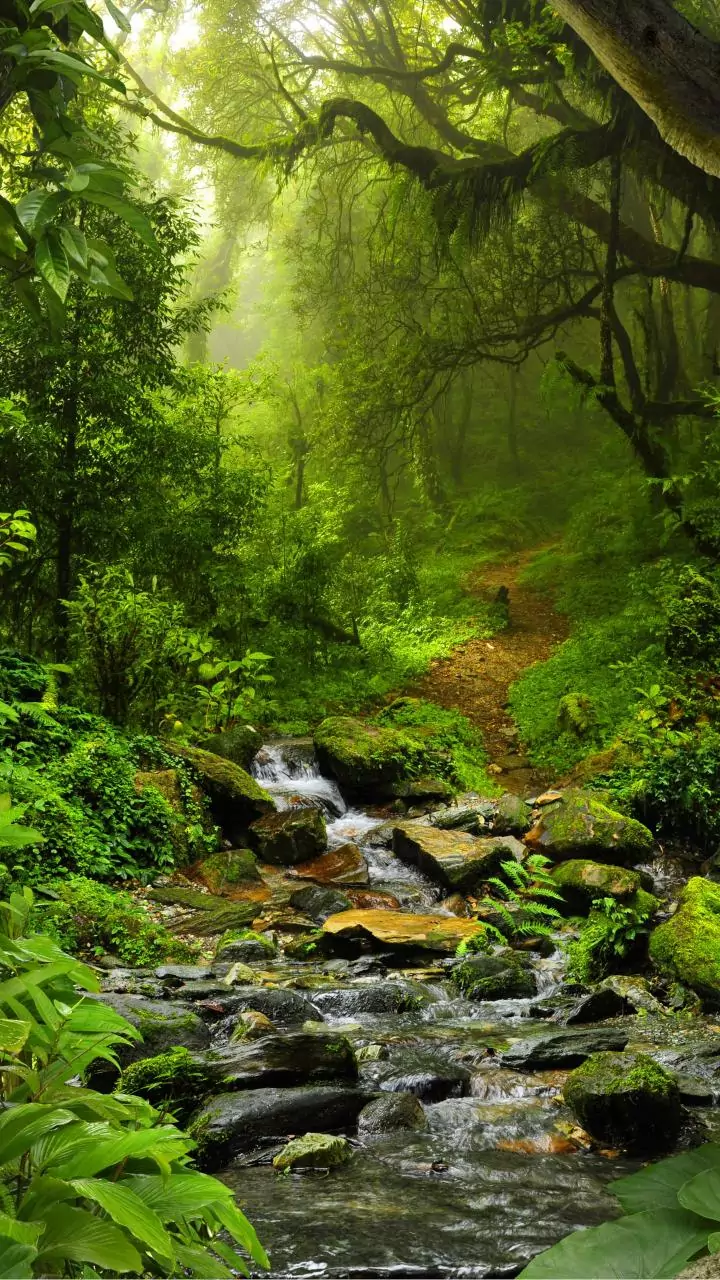
Traditionally, Coorg's peak tourist season runs from October to March, when the weather is cool and pleasant. However, remote workers are discovering the unique charm of the off-season, particularly the monsoon months from June to September. During this period, the region is transformed into a lush, green paradise, with rain-swept landscapes and overflowing waterfalls. The usual tourist crowds are absent, creating a quiet, contemplative atmosphere ideal for deep work and focus. Moreover, the off-season comes with a significant financial advantage: lower accommodation prices. Estate owners, keen to maintain occupancy during the lean period, offer attractive monthly rates for long-term stays. This makes a workation not just a refreshing break, but an economically viable alternative to city living.
A Win-Win for Workers and Estate Owners
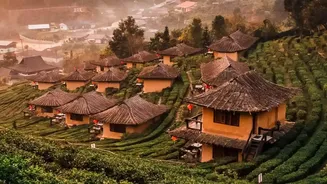
This trend is creating a symbiotic relationship between remote professionals and coffee estate owners. For the workers, the benefits are clear: a serene environment that boosts mental well-being and productivity, an escape from urban pollution and stress, and a chance to live closer to nature. Estate homestays and resorts, recognizing this new market, have upgraded their infrastructure to cater to them. High-speed internet, power backup, and dedicated workspaces are now common amenities. For the estate owners, this new clientele provides a steady stream of revenue during what was once a quiet season. Unlike weekend tourists, these long-stay guests offer reliable income and a lower operational burden, helping to create a more sustainable, year-round business model that is less dependent on the seasonal tourist rush.
More Than Just a Desk with a View
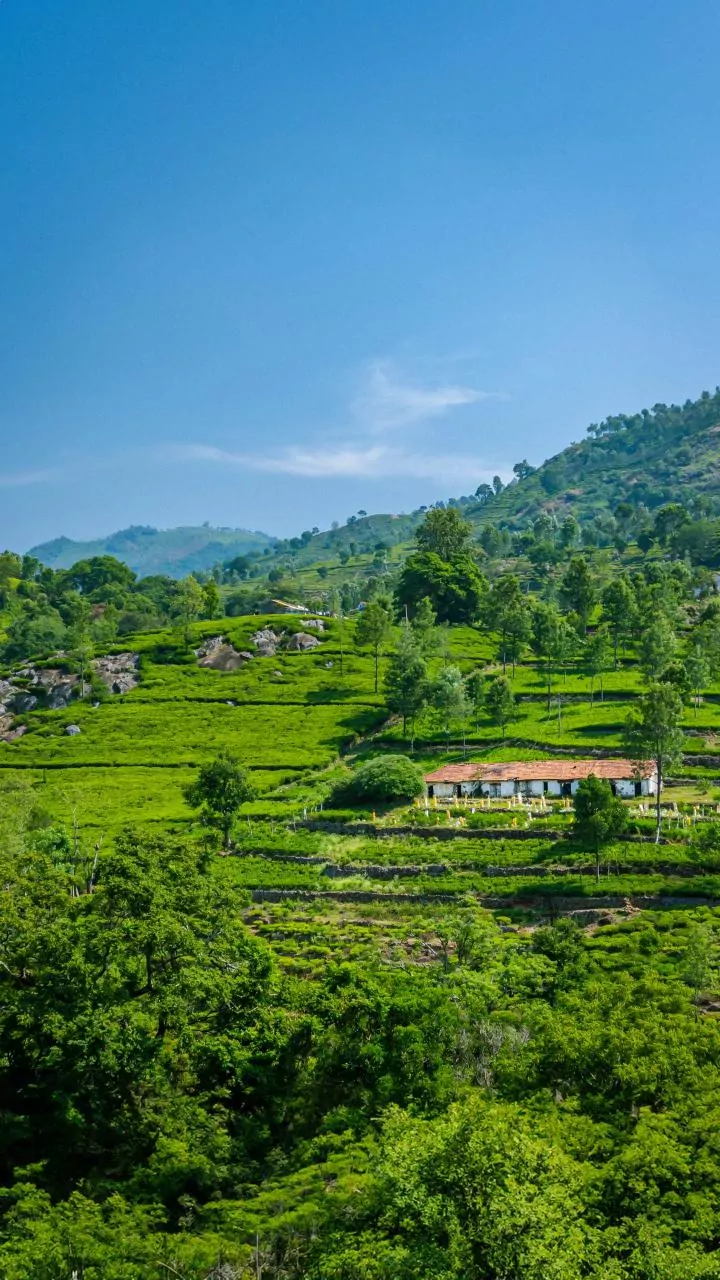
The experience extends far beyond the laptop screen. Professionals are integrating into the rhythm of plantation life. Days are structured around work commitments, but breaks are spent walking through coffee groves, bird-watching, or learning about the coffee cultivation process from their hosts. Evenings are for enjoying home-cooked Kodava cuisine or simply reading on a veranda overlooking the valley. This is not the hurried sightseeing of a typical vacation; it’s a form of 'slow travel' where the goal is to live in a place, not just see it. It allows for a deeper connection with the local culture and environment, turning a work trip into an enriching life experience that helps combat the isolation sometimes associated with remote work.