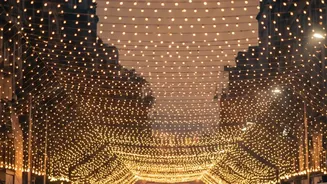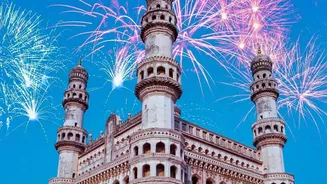



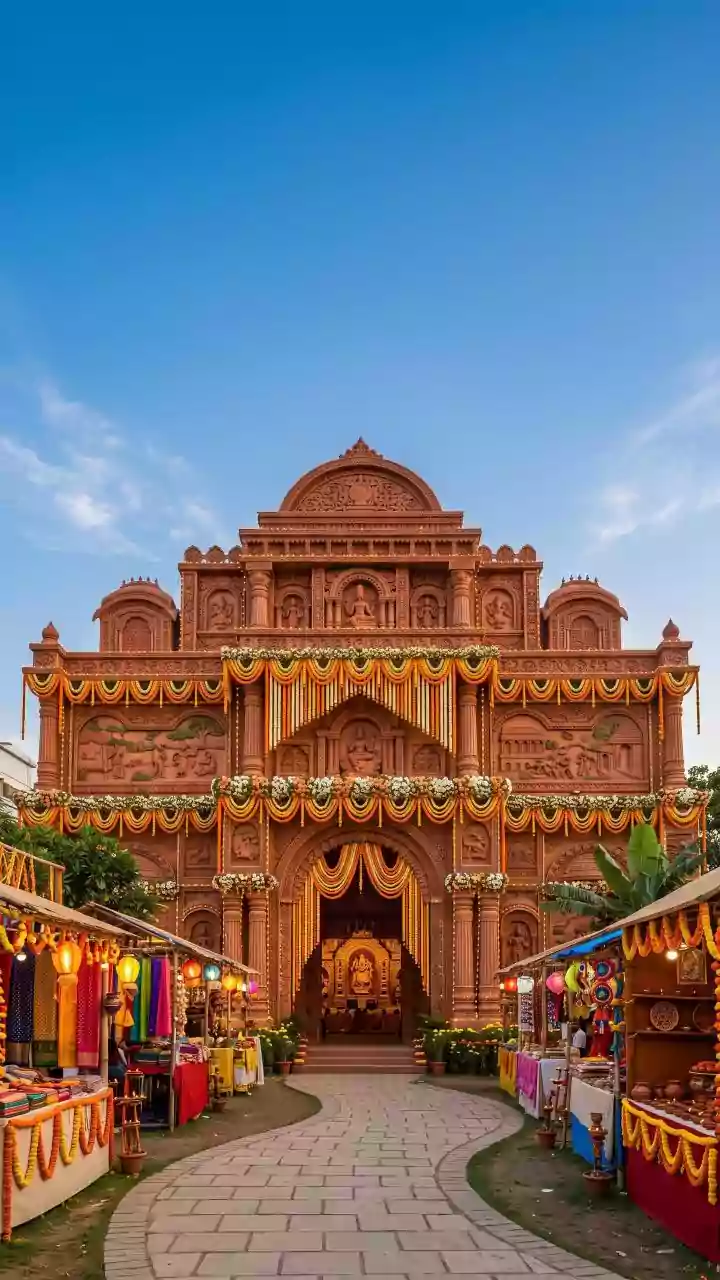



The festive season in India often brings a familiar travel frenzy: chaotic airports, sold-out train tickets, and endless traffic. But what if the best way to enjoy your break is by not going so far after all?
The Great Festive Migration
Every year, as festivals like Diwali and Dussehra
approach, a predictable pattern unfolds across India. Millions of people embark on journeys to be with family and friends, turning highways, train stations, and airports into a sea of determined travellers. While the intention is celebratory, the reality is often gruelling. This annual migration comes with a heavy dose of stress, from the frantic scramble to book tickets months in advance to navigating the inevitable delays and crowds. The very act of 'getting away' can leave you feeling more drained than when you started, a sentiment many travellers know all too well. This shared experience of festive travel burnout is causing many to rethink their holiday plans entirely.
Understanding Travel Fatigue
Travel fatigue is a real physiological response to the demands of a long journey. It is more than just feeling tired; it is a combination of factors including disrupted sleep, dehydration (especially during flights), the stress of navigation, and prolonged inactivity. Symptoms can include persistent grogginess, headaches, irritability, and difficulty concentrating that can linger for days after you have reached your destination. Longer trips, especially those that involve significant planning and tight schedules, can amplify this exhaustion. Instead of returning recharged, many people find they need a holiday to recover from their holiday, which defeats the entire purpose of taking a break.
The Rise of the Micro-Cation
In response to this, a new travel trend is gaining significant traction in India: the micro-cation. This involves taking shorter, more frequent trips to destinations closer to home, often for just a weekend or three to five days. Recent data shows a sharp increase in searches for domestic getaways, with many Indians now preferring several small breaks over one long annual holiday. This 'Micro Holiday Economy' is driven by a desire to make travel a regular habit rather than a once-a-year event. The appeal is simple: shorter trips mean less planning, less packing, lower costs, and, most importantly, less time spent in transit and more time actually relaxing.
More Joy, Less Hassle
The primary benefit of a short, nearby trip is the immediate reduction in stress. With less distance to cover, you sidestep the worst of the festive travel chaos. The planning process becomes simpler and more spontaneous; some weekend trips are booked the very same day. Psychologically, shorter breaks can be highly effective. Research shows that even brief pauses, or 'microbreaks', can significantly lower stress levels, improve mood, and prevent mental fatigue. A short getaway forces you to disconnect from work and daily pressures, allowing your mind to reset and recharge without the exhaustion of a long-haul journey. You can achieve that feeling of escape and renewal in just a couple of days.
Rediscover What's Around You
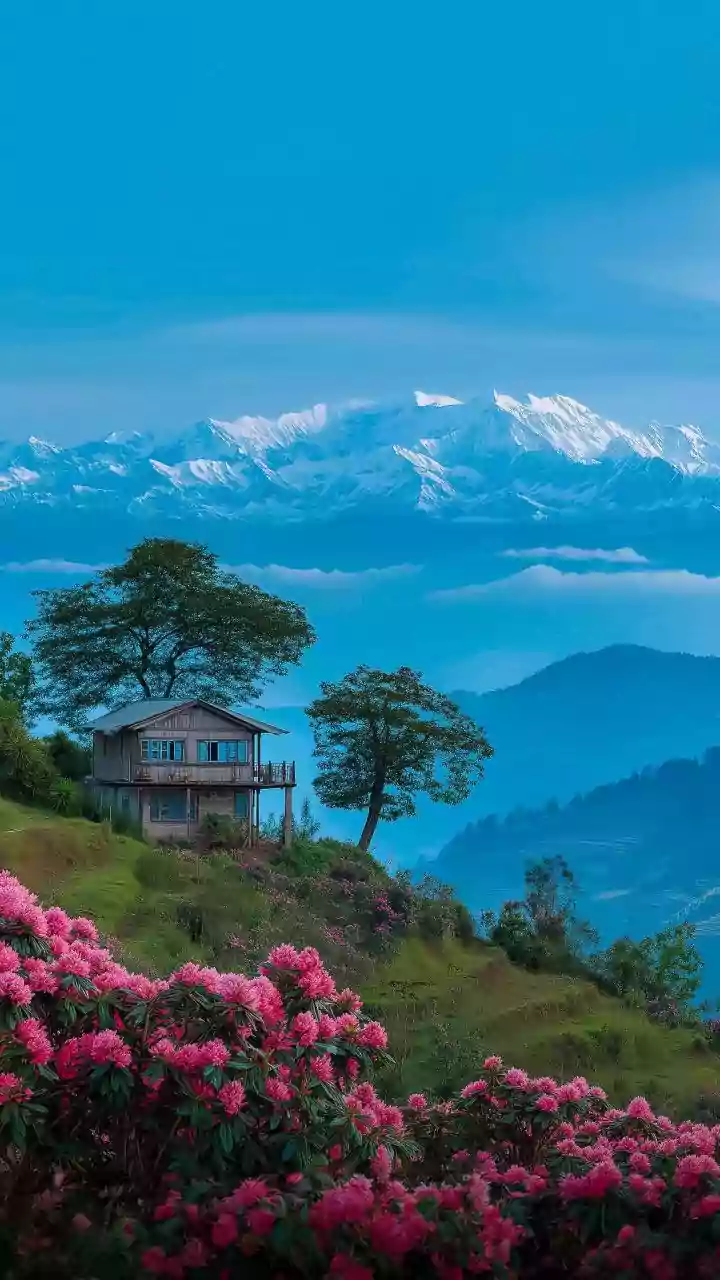
Opting for a nearby destination also opens up a world of possibilities right in your own backyard. Instead of spending hours or days in transit, that time can be invested in exploring a local heritage property, a boutique farmhouse, a nature retreat in the hills, or a quiet coastal town just a drive away. Destinations like Coorg, Lonavala, Neemrana, and Rishikesh are becoming popular choices for city dwellers seeking a quick escape. This trend encourages a deeper appreciation for local culture and landscapes that are often overlooked in the pursuit of more distant travels. It proves that a memorable and restorative experience doesn't require a passport or a long-haul flight.