

An Unlikely Lunar Survivor
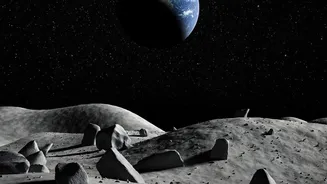
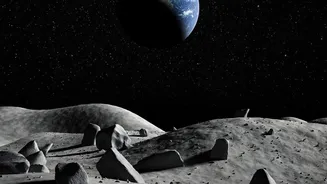
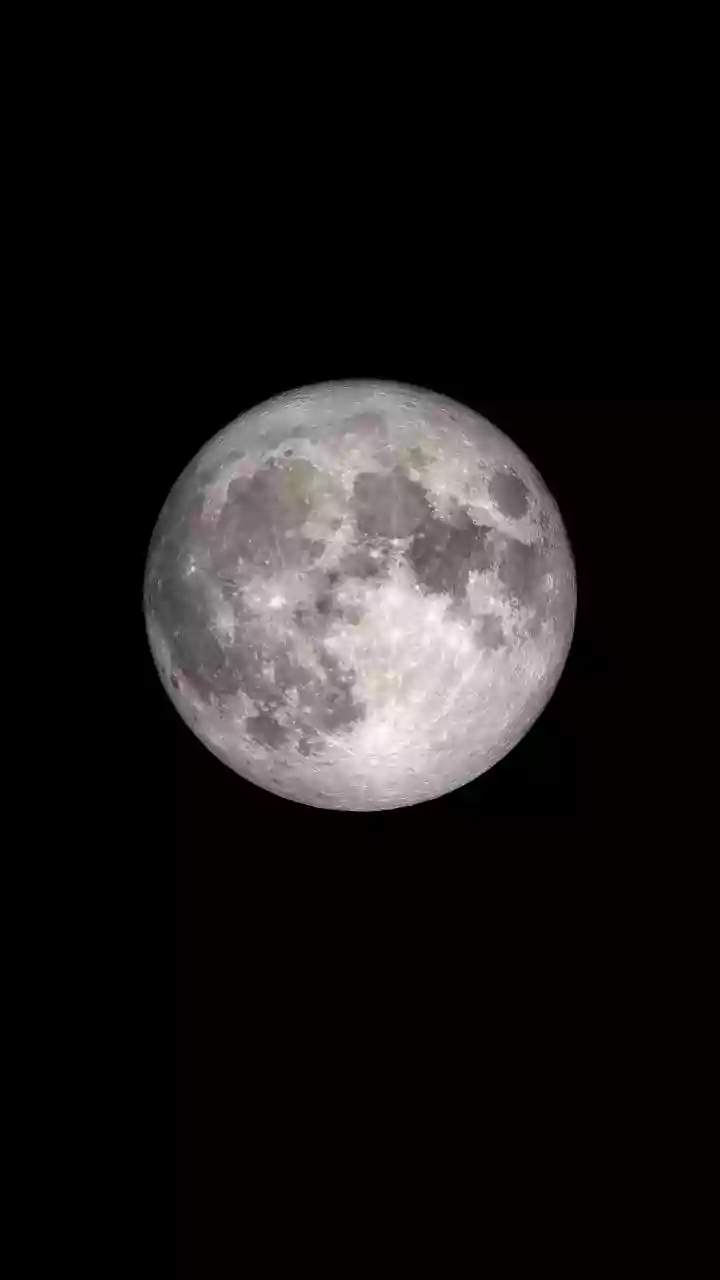
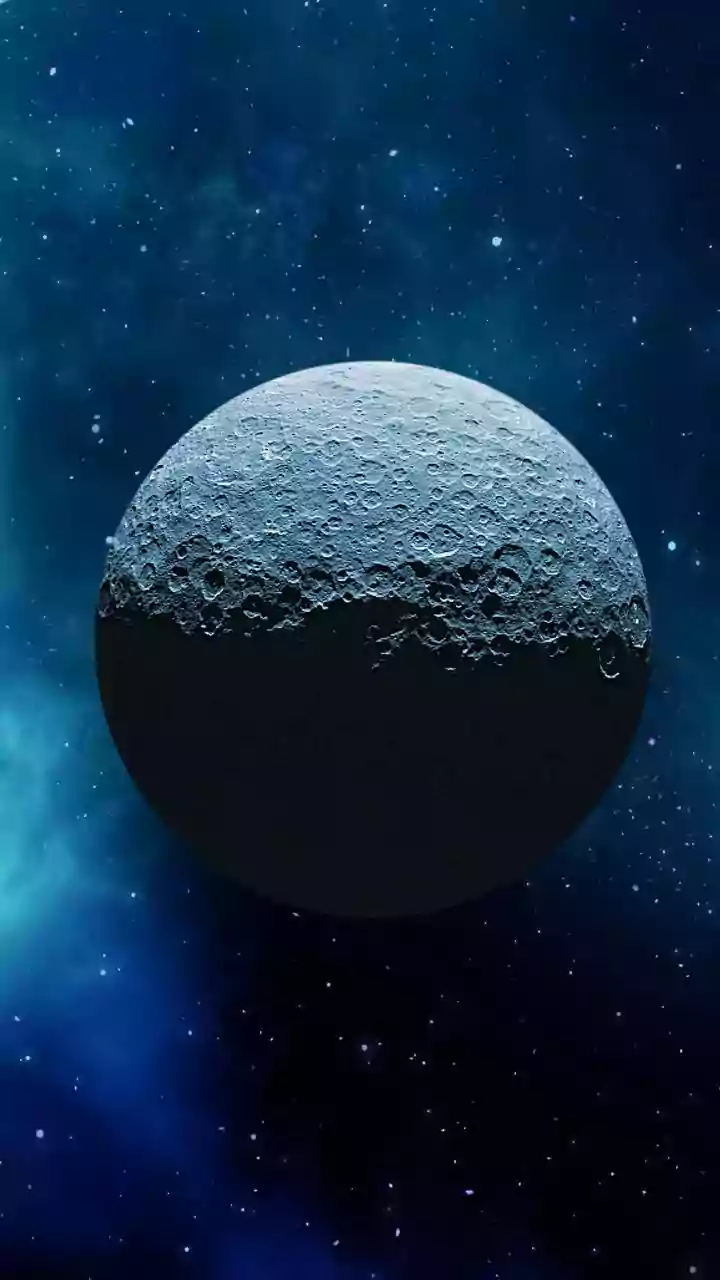
In a recent study, scientists simulated the harsh conditions of the Moon's south pole to see if any Earth microbes could endure them. Using data from NASA's Lunar Reconnaissance Orbiter, researchers modeled the extreme temperatures and intense ultraviolet
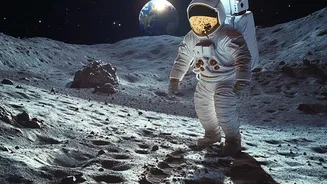
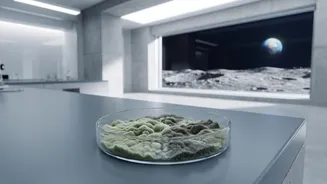
(UV) radiation at three potential Artemis landing sites. They then tested the resilience of five microbes commonly found in spacecraft and human environments. The results were surprising: the fungus Aspergillus niger, a type of black mold often found in damp bathrooms, was the star survivor. It proved exceptionally resistant to UV radiation, even more so than bacteria known for their toughness, like Deinococcus radiodurans. While the microbes didn't grow or reproduce, the study showed they could enter a dormant state and remain viable in sheltered lunar niches, from large, permanently shadowed craters to depressions as small as an astronaut's bootprint.
The Fungus Among Us, and in Space
Aspergillus niger is ubiquitous on Earth, playing a role in everything from industrial biotechnology to causing food spoilage. It's also a familiar, if unwelcome, guest on the International Space Station. While most Aspergillus spores are harmless, some species can cause health problems in humans, especially those with compromised immune systems. Infections can range from allergic reactions to serious respiratory conditions. The fact that this particular fungus is so hardy is a double-edged sword. Its resilience is a testament to the tenacity of life, but it also presents a significant challenge for long-duration space missions. Astronauts in the stressful environment of space can experience weakened immune responses, making them more vulnerable to opportunistic pathogens like Aspergillus.
The Challenge of Planetary Protection
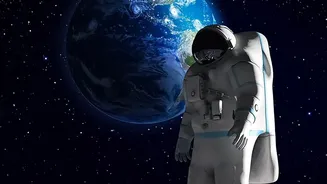
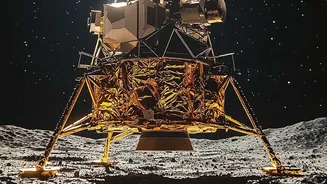
The discovery that Earth microbes can survive on the Moon has significant implications for a principle known as planetary protection. This international policy, guided by the Committee on Space Research (COSPAR), aims to prevent two types of contamination. The first, forward contamination, is the transfer of Earth-based microbes to other celestial bodies. This is a major concern for scientists searching for signs of past or present extraterrestrial life; contaminating a site like the Moon or Mars with our own biology could permanently compromise that search. The second is back contamination, which is the risk of bringing potentially harmful extraterrestrial organisms back to Earth. The new findings highlight that even with rigorous sterilization procedures for robotic missions, preventing contamination on crewed missions is nearly impossible. Humans naturally shed millions of microbes, which can escape from spacesuits and habitats.
Informing the Future of Exploration
While the idea of resilient fungi on the Moon may sound alarming, the NASA-led team sees this research as a critical step in preparing for the future. Understanding which microbes can survive and where they might persist allows mission planners to develop more effective contamination control strategies. It underscores the need to treat even temporarily shadowed regions as scientifically sensitive areas. The study doesn't suggest that Aspergillus will start growing and colonizing the Moon—the lunar surface lacks the liquid water and other conditions necessary for reproduction. The microbes would likely remain in a dormant state. However, their ability to survive is a crucial piece of information that will help ensure the safety of our astronauts and protect the scientific integrity of our exploration of the cosmos. This knowledge is not a roadblock, but a guidepost for a new era of responsible and sustainable space travel.