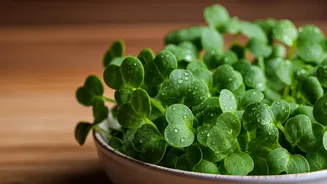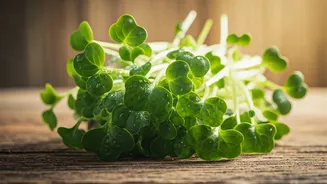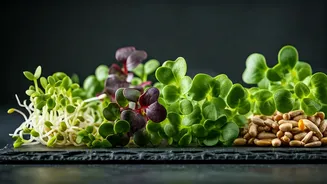


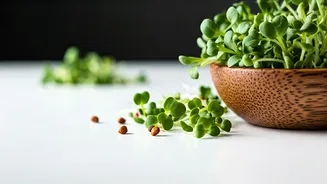
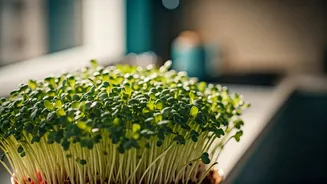


First, What Are Radish Shoots?
You’ve seen microgreens taking over menus and grocery aisles, but radish shoots deserve a special spotlight. These aren’t sprouts, which are germinated seeds grown in water, nor are they baby greens. Radish shoots are young seedlings of the same radish plant
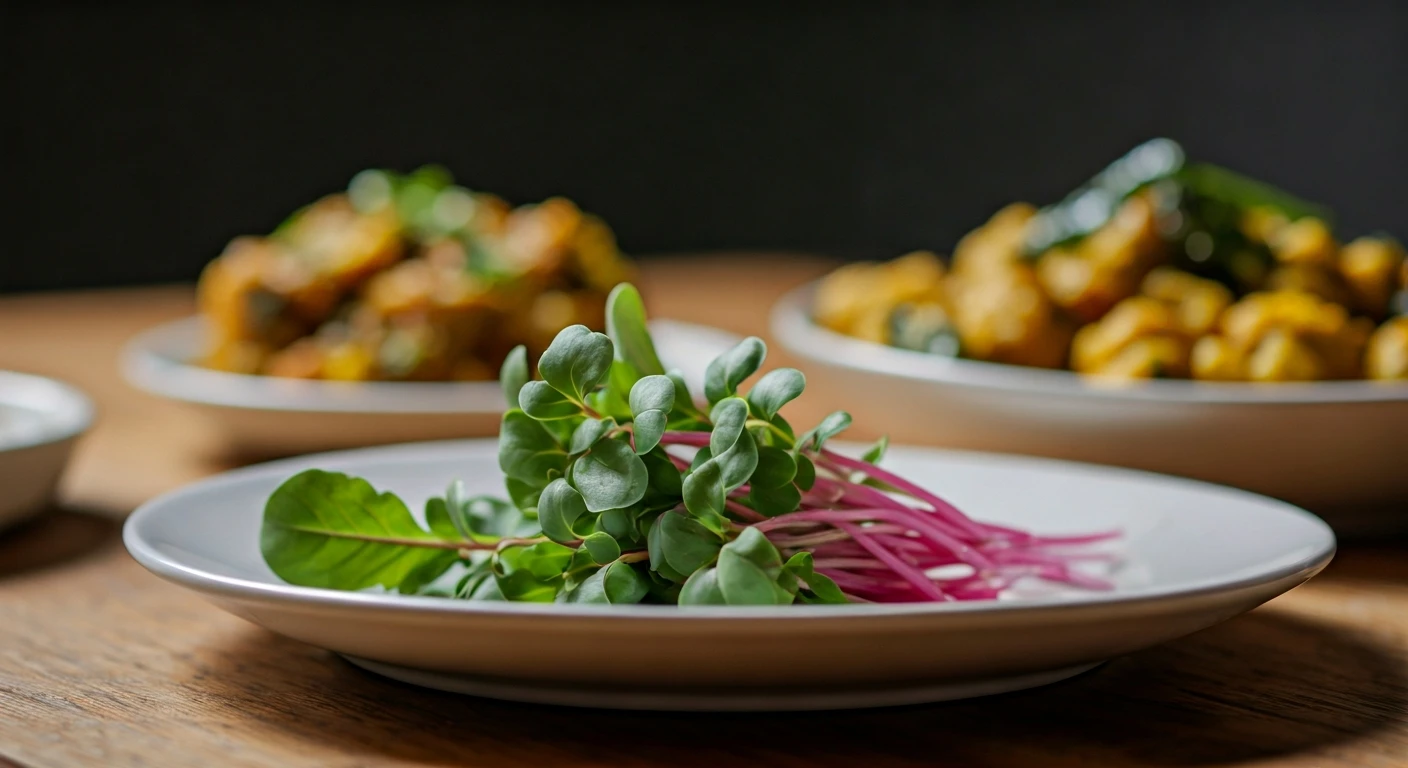
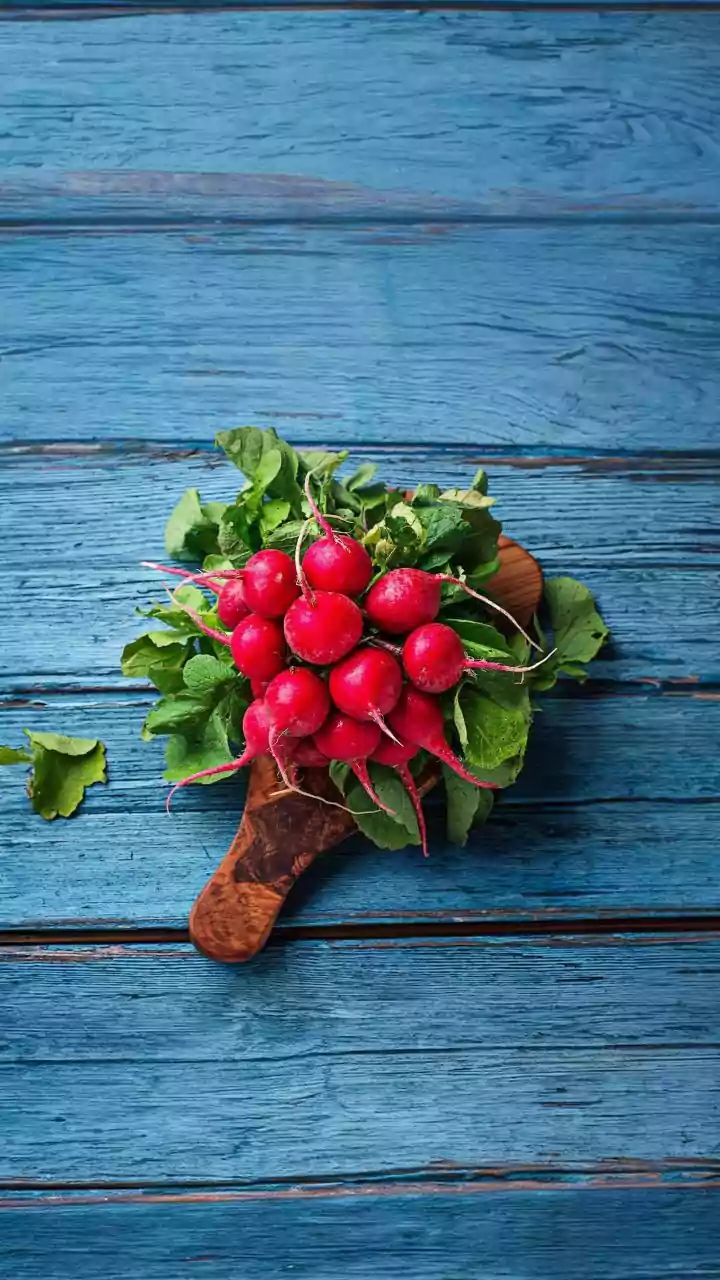
that produces the familiar red and white root vegetable. Harvested just a week or two after germination, they consist of the stem, the initial seed leaves (cotyledons), and the first set of true leaves. They pack the pungent, peppery essence of a full-grown radish into a delicate, crisp, and brilliantly green package. Often tinged with pink or purple stems, they are as beautiful as they are flavorful, offering a concentrated burst of spice that’s surprisingly refreshing.
A Nutritional Powerhouse in a Tiny Package
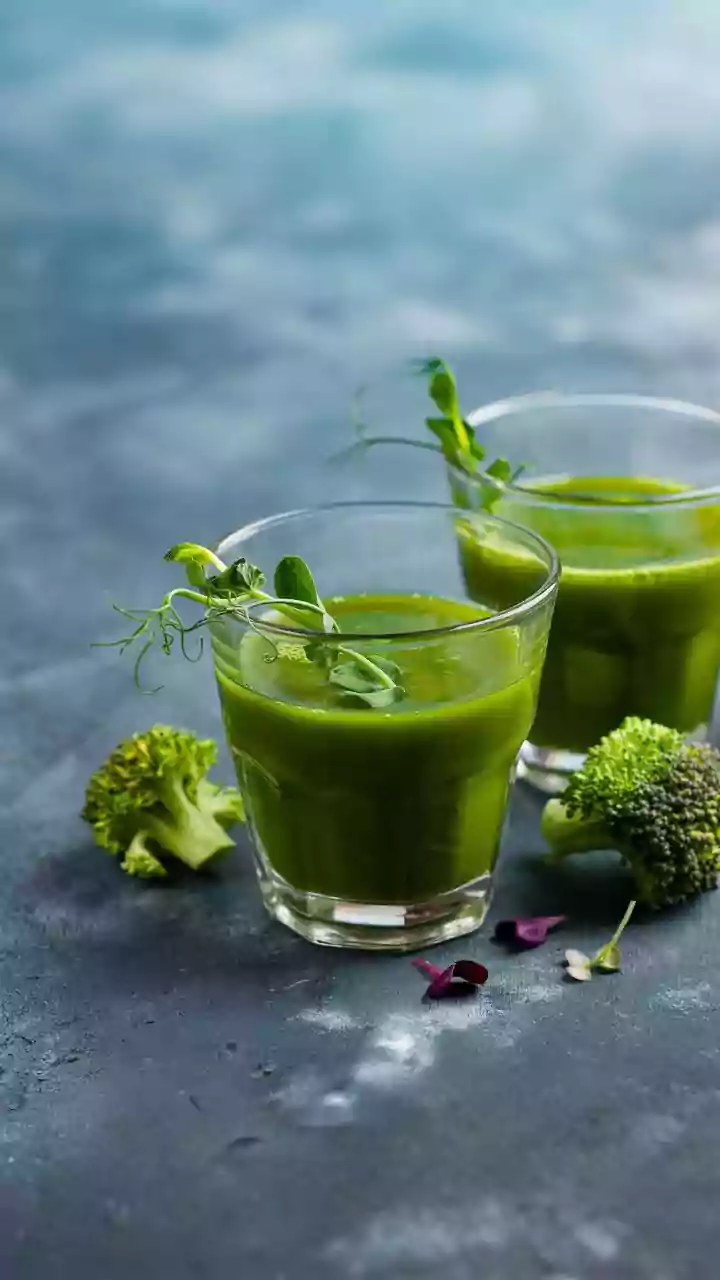
The term “superfood” gets thrown around a lot, but in the case of microgreens like radish shoots, it’s not just hype. Because they are harvested at such a young stage, they contain a highly concentrated dose of the vitamins and minerals that the plant needs to grow. Studies have shown that microgreens can contain up to 40 times the nutrient levels of their mature counterparts. Radish shoots are particularly rich in vitamins A, C, E, and K, as well as essential minerals like calcium, iron, and potassium. They're also loaded with antioxidants, which help protect your body's cells from damage. So, that finishing sprinkle isn’t just for looks; it’s an effortless way to boost the nutritional value of your meal without adding significant calories or fat.
The Instant Aesthetic Upgrade
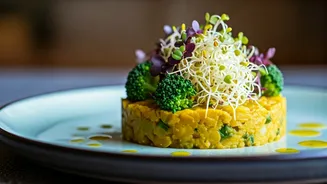
While Indian cuisine is celebrated for its complex flavors, home-cooked versions of dishes like dal, chana masala, or simple sabzis can sometimes look a bit homogenous in the bowl. This is where radish shoots work their magic. Their vibrant green leaves and bright pink stems provide an immediate visual contrast, making any dish look more professional, appetizing, and intentional. A scattering of these delicate greens over a creamy, golden dal or a rich, dark curry creates a focal point, signaling freshness and care. It’s the simplest trick in the book to elevate a humble weeknight meal into something that feels special and worthy of a photo, breaking up the monochrome and adding a touch of modern culinary flair.
Cutting Through Richness with a Peppery Kick
Flavor is where radish shoots truly shine, especially when paired with the deep, complex tastes of many Indian dishes. The shoots have a clean, spicy bite that’s assertive but not overwhelming. This peppery note is the perfect counterpoint to rich, creamy, and sometimes heavy sauces found in dishes like butter chicken or dal makhani. The fresh crunch cuts through the fat and provides a palate-cleansing effect in every bite, preventing the flavors from feeling too one-dimensional. In lighter dishes, like a simple yellow dal or a bowl of yogurt-based raita, their spiciness adds a welcome layer of complexity and a textural surprise. They don’t just sit on top; they integrate, enhancing the overall flavor experience.
Simple Ways to Use Them Tonight
Integrating radish shoots into your cooking requires zero effort. They are best used raw to preserve their delicate texture and potent flavor. Think of them as a finishing herb, like cilantro or parsley, but with more crunch and spice. Here are a few ideas: - **Garnish for Curries and Dals:** Sprinkle a generous handful over any lentil or bean dish just before serving. They pair exceptionally well with the earthy flavors of dal and the tangy notes of a tomato-based curry. - **Topping for Rice Dishes:** Scatter them over biryani or pulao to add a fresh, spicy element that contrasts with the warm, aromatic spices. - **In Raita and Salads:** Stir them into a cooling cucumber or onion raita for an unexpected peppery kick, or toss them into a kachumber salad for extra crunch and nutrition. - **On Top of Everything Else:** Use them to garnish grilled paneer or chicken tikka, sprinkle them over scrambled eggs (akuri), or add them to a sandwich or wrap for a healthy, flavorful bite.