



Understanding Winter Dormancy
For many desert plants, winter is a period of dormancy, which is like a long nap. Triggered by shorter days and cooler temperatures, their metabolism and growth slow down significantly. This state of rest allows them to conserve energy and survive the harsh
conditions they would face in their native habitats. While they may look unchanged, their internal processes are on pause. This means they are not actively using water and nutrients to produce new leaves or stems, which is the single most important factor to consider in their winter care. Trying to force growth with water or fertilizer during this time can be harmful.
Why Less Water is Essential
Overwatering is the number one killer of desert plants during the cool, dormant months. When a plant is dormant, its roots are not actively pulling moisture from the soil. If you continue to water on a summer schedule, the soil stays cold and wet for long periods. This creates the perfect breeding ground for fungus and bacteria that cause root rot. Once root rot sets in, the roots turn black and mushy, lose their ability to absorb any nutrients, and the plant often dies quickly. A light watering approach prevents this by giving the plant just enough moisture to prevent its roots from completely drying out without creating a soggy, dangerous environment.
The Correct Way to Water
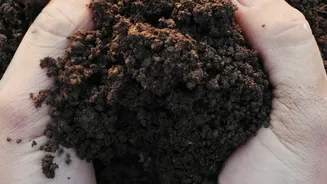
The golden rule for winter watering is to only do so when the soil is completely dry. Don't just check the surface; push a wooden skewer or your finger a few inches deep to be sure. For most indoor succulents and cacti, this may mean watering only once every three to six weeks, or even less. Some desert cacti can even go the entire winter without any water at all if kept in a cool place. When you do water, do it in the morning with room-temperature water. This allows excess moisture to evaporate during the day before colder night temperatures arrive, further reducing the risk of rot. Water just enough to moisten the soil, not to thoroughly soak it like you would in summer.
Which Plants Need This Care?
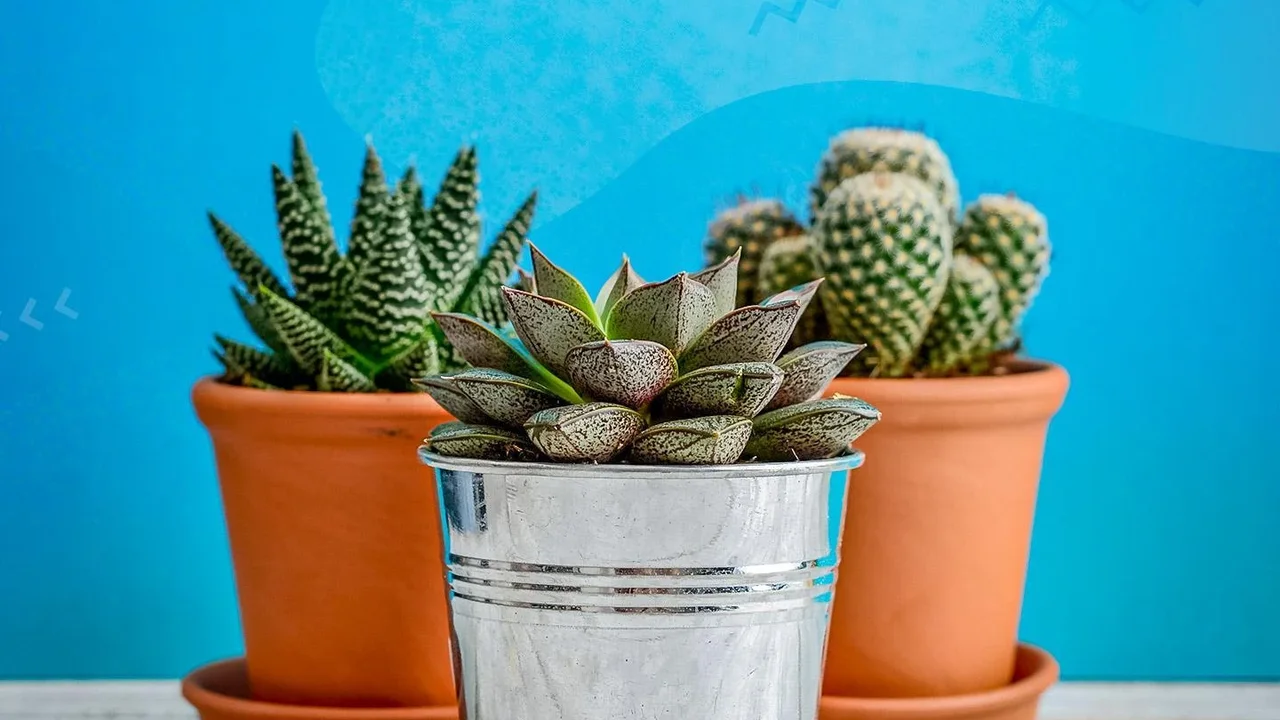
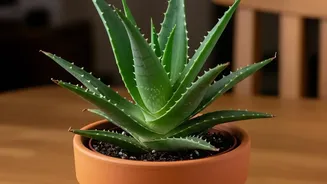
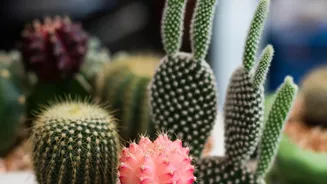
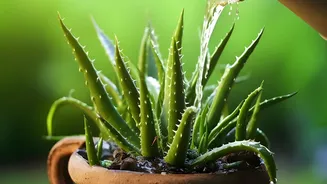
This 'less is more' winter watering strategy applies to the vast majority of popular succulents and cacti. This includes most species of Echeveria, Sedum, Aloe, and the many varieties of desert cacti commonly kept as houseplants. These plants typically have their active growing season in the spring and summer. However, it's important to note that a few succulents are 'winter growers'. Plants like many Aeoniums and the Christmas Cactus (Schlumbergera) are exceptions that grow during the cooler months and will require more consistent, though still careful, watering. Knowing which type of plant you have is key to getting the watering schedule right.
Signs of Watering Trouble
Your plants will tell you if you're getting it wrong. The primary sign of overwatering is a soft, mushy stem or base, which may feel spongy to the touch. The leaves, especially lower ones, may turn yellow or translucent and fall off easily. In advanced cases of root rot, you might even notice a foul smell from the soil. Conversely, a plant that is too thirsty will look shriveled and wrinkled. A little wrinkling on the lowest leaves can be normal during dormancy, but widespread puckering means the plant is using up its internal water stores and could use a light drink.