





The New Economics of Travel
Financially, the shift from one big spend to several smaller ones is a game-changer. Instead of saving a large lump sum for an elaborate two-week holiday, couples find it more manageable to budget for multiple 'micro-vacations'. This approach feels less
like a major financial commitment and more like a series of affordable treats. Recent reports show that while the appetite for travel remains strong, value is a key consideration, with many travellers adapting how they spend. This financial flexibility allows for greater spontaneity. Data shows a strong trend towards last-minute planning, with many travellers booking their trips within a week of departure. For dual-income couples, this means they can seize travel opportunities as they arise, fitting them into their budgets without months of rigid planning.
A Strategy for Wellbeing
In today's 'always-on' work culture, burnout is a real and present danger. The long wait for a single annual holiday can feel endless. Young professionals are discovering that more frequent, shorter breaks are a more effective strategy for managing stress and maintaining mental well-being. These getaways, often lasting just two to three nights, act as regular 'resets', preventing the build-up of mental exhaustion. It's a proactive approach to self-care, where travel is no longer just a luxury but a necessity for staying productive and sane in a high-pressure environment. This 'holiday snacking' allows couples to disconnect and recharge regularly, returning to work with renewed energy rather than counting down the days to a distant vacation.
Maximising Leave, Minimising Hassle
The strategic use of public holidays and long weekends is the cornerstone of this trend. By 'stacking' a day or two of annual leave onto a festival weekend, couples can engineer a four or five-day escape with minimal impact on their overall leave balance. The rise of flexible and hybrid work models has further amplified this, allowing many to start their trip a day early without formally taking time off. Furthermore, the boom in budget airlines and improved road connectivity has made even short-haul international destinations accessible for a quick trip. Destinations with easy or visa-free access, like parts of Southeast Asia and the Middle East, have become popular choices for these extended weekend jaunts.
The Experience Economy in Action
For many millennials and Gen Z couples, life is less about what you own and more about what you've experienced. Stacking getaways feeds directly into this desire for a diverse portfolio of memories. Instead of one long trip to a single destination, they can have multiple, varied experiences throughout the year: a trek in the Himalayas one quarter, a beach escape in Gokarna the next, and a cultural deep-dive in Jaipur after that. This provides a richer tapestry of experiences and, of course, more content to share. Travel has become a form of self-expression, a way to build community and create shared memories that last far longer than a material purchase.
Balancing Tradition and Togetherness
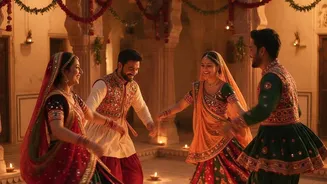
Festival weekends in India are traditionally a time for family gatherings and religious obligations. The short getaway provides a clever solution for modern couples looking to balance these duties with their own desire for personal time. They can participate in family celebrations for a day or two and then use the remainder of the long weekend for a trip of their own. This allows them to honour tradition while also carving out crucial time for their relationship, away from the demands of family and work. It's a modern compromise that acknowledges the importance of both family ties and couple-centric experiences in contemporary Indian life.