



The Return of a Humble Hero
For many Indian households, bhindi (also known as okra) isn't just a vegetable; it's a comfort food, a quick weeknight fix, and the star of many memorable meals. Its return to abundance after a seasonal lull is a small, simple joy. Whether it's the crispy,
snackable Kurkuri Bhindi served alongside dal and rice, or a rich, tangy Bhindi Masala scooped up with a hot roti, this versatile vegetable holds a special place on the national plate. Its ability to absorb spices while retaining a unique texture makes it a favourite for cooks of all skill levels. Now that the baskets are overflowing with fresh produce, it’s the perfect time to celebrate this humble hero of the Indian kitchen and bring it back into your meal rotation.
How to Pick the Perfect Pod
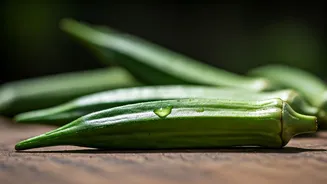
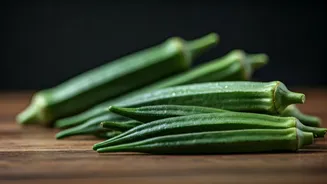
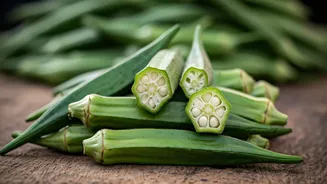
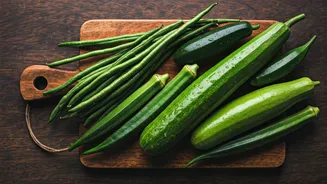
Not all bhindi is created equal, and the success of your dish starts at the market. Choosing the right pods is crucial for getting the best flavour and texture. First, look for a vibrant, bright green colour. Avoid any that are dull, bruised, or have black spots. Size matters here: smaller, younger pods (around 3-4 inches long) are generally more tender and less fibrous than their larger, older counterparts. The ultimate test is the 'snap' test. A fresh lady's finger should snap crisply and easily when you bend the tip. If it bends without breaking, it’s likely old and will be tough and stringy when cooked. A fuzzy, peach-like surface is also a good sign of freshness. Take a moment to inspect the pods, as a few bad ones can affect the entire batch you buy.
The Secret to Slime-Free Cooking
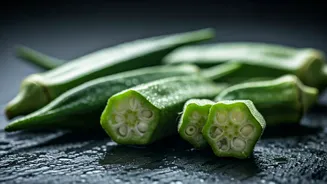
Ah, the dreaded slime. The one thing that holds many people back from cooking bhindi at home is its tendency to become gooey or slimy. This is due to a substance called mucilage, which is released when the vegetable is cut and exposed to moisture. But avoiding this is surprisingly simple. The golden rule is to ensure your bhindi is completely dry before you start chopping. Wash the pods thoroughly and then pat them dry with a clean kitchen towel or let them air dry completely. When you cook, use high heat. Stir-frying or pan-frying quickly in a hot pan helps seal the outside before the mucilage can develop. Another trick is to add an acidic ingredient towards the end of the cooking process. A squeeze of lemon juice, a dash of amchoor (dry mango powder), or cooking it with tomatoes can help cut through any sliminess and add a wonderful tangy flavour to your dish.
Beyond the Basic Fry
While a simple bhindi fry is a classic for a reason, this vegetable’s potential goes far beyond that. Its seasonal abundance is an invitation to experiment. For a show-stopping side, try Bharwa Bhindi, where pods are slit lengthwise and stuffed with a fragrant mixture of spices like coriander, cumin, turmeric, and amchoor before being pan-fried until tender. This method packs an incredible amount of flavour into each bite. Another fantastic option is to incorporate it into a sambar or a tangy yogurt-based curry (dahi bhindi), where its texture provides a wonderful contrast to the liquid base. You can also coat it in a thin layer of besan (gram flour) and spices before deep-frying for Kurkuri Bhindi, an addictive, crunchy snack that disappears almost as soon as it’s made. Don't be afraid to make it the main event.
A Bite of Goodness
Beyond its delicious taste and versatility, bhindi is also a nutritional powerhouse. It's an excellent source of dietary fibre, which is essential for good digestion and can help regulate blood sugar levels. It is also packed with vitamins C and K, as well as folate and antioxidants. The very mucilage that can make it slimy is beneficial for gut health. So, while you're enjoying your perfectly cooked, non-slimy bhindi, you can also feel good about the nourishment it's providing. It’s a low-calorie vegetable that packs a significant nutritional punch, making it a smart and tasty addition to any diet. This makes its seasonal return all the more reason to celebrate and add it to your shopping cart.